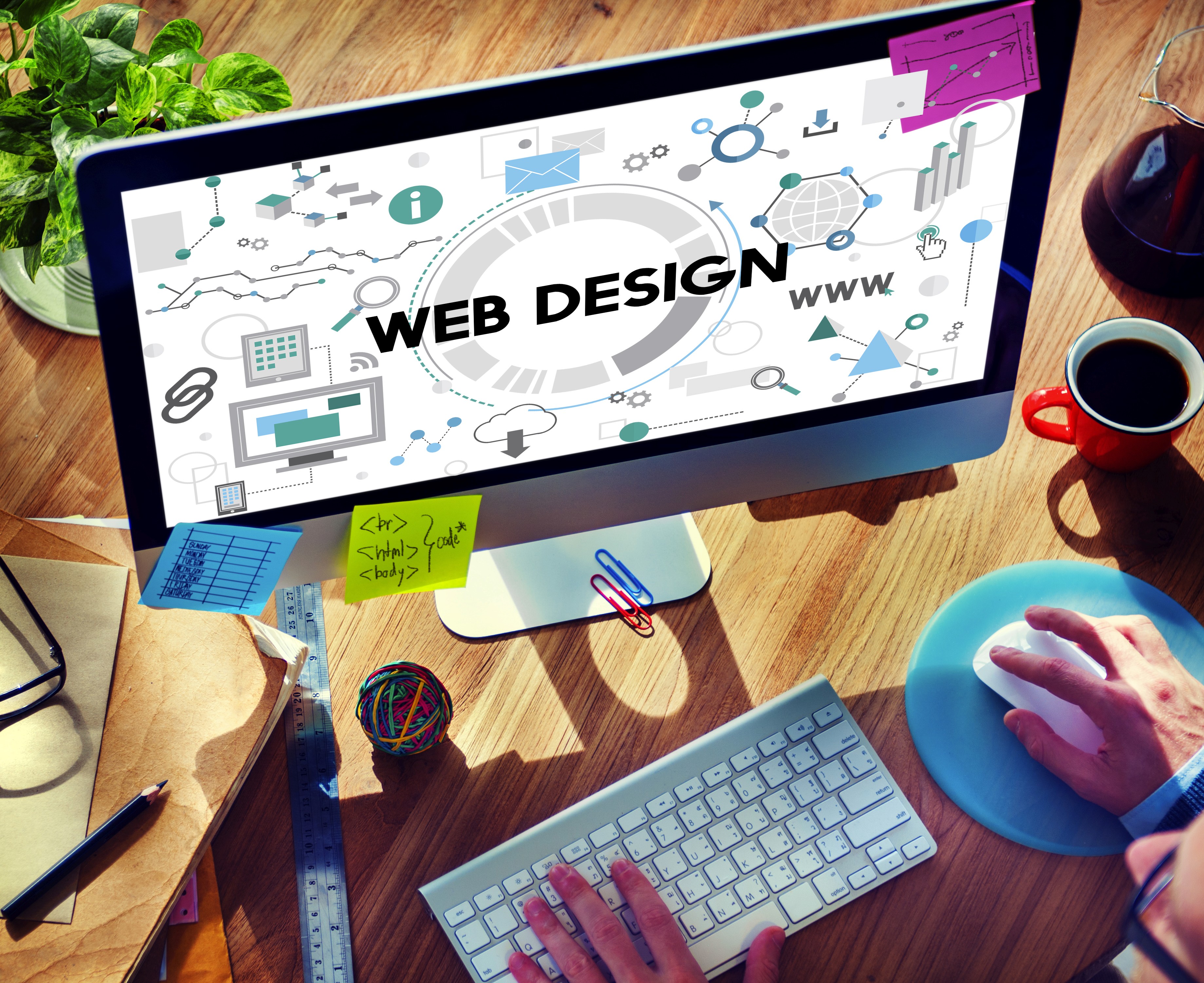
The internet is moving beyond flat screens. 3D and spatial web design is transforming how users interact with websites by creating immersive, interactive experiences.
What is 3D/Spatial Web Design?
It involves designing websites with 3D elements, virtual environments, and interactive features that simulate real-world experiences.
Why It Matters
Enhances user engagement
Improves user experience
Increases conversion rates
Differentiates brands
Key Features
1. Interactive Interfaces
Users can interact with elements in real time.
2. Virtual Environments
Websites feel like digital spaces rather than static pages.
3. Immersive Storytelling
Brands can tell stories in engaging ways.
4. AR/VR Integration
Augmented and virtual reality enhance experiences.
Industries Using Spatial Web
E-commerce
Real estate
Gaming
Education
Benefits
Higher engagement
Better brand recall
Improved user retention
Challenges
High development cost
Performance issues
Compatibility concerns
Future Trends
Metaverse integration
AI-powered 3D environments
Faster web technologies
FAQs
Q1. Is 3D web design suitable for all websites?
No, it depends on business goals and audience.
Q2. Does it affect SEO?
Yes, performance optimization is crucial.
Q3. Is it expensive?
Yes, but ROI can be high for certain industries.
Upgrade your digital presence with cutting-edge 3D web design. Create immersive experiences that captivate your audience and drive conversions.
Share this article
2 min read


