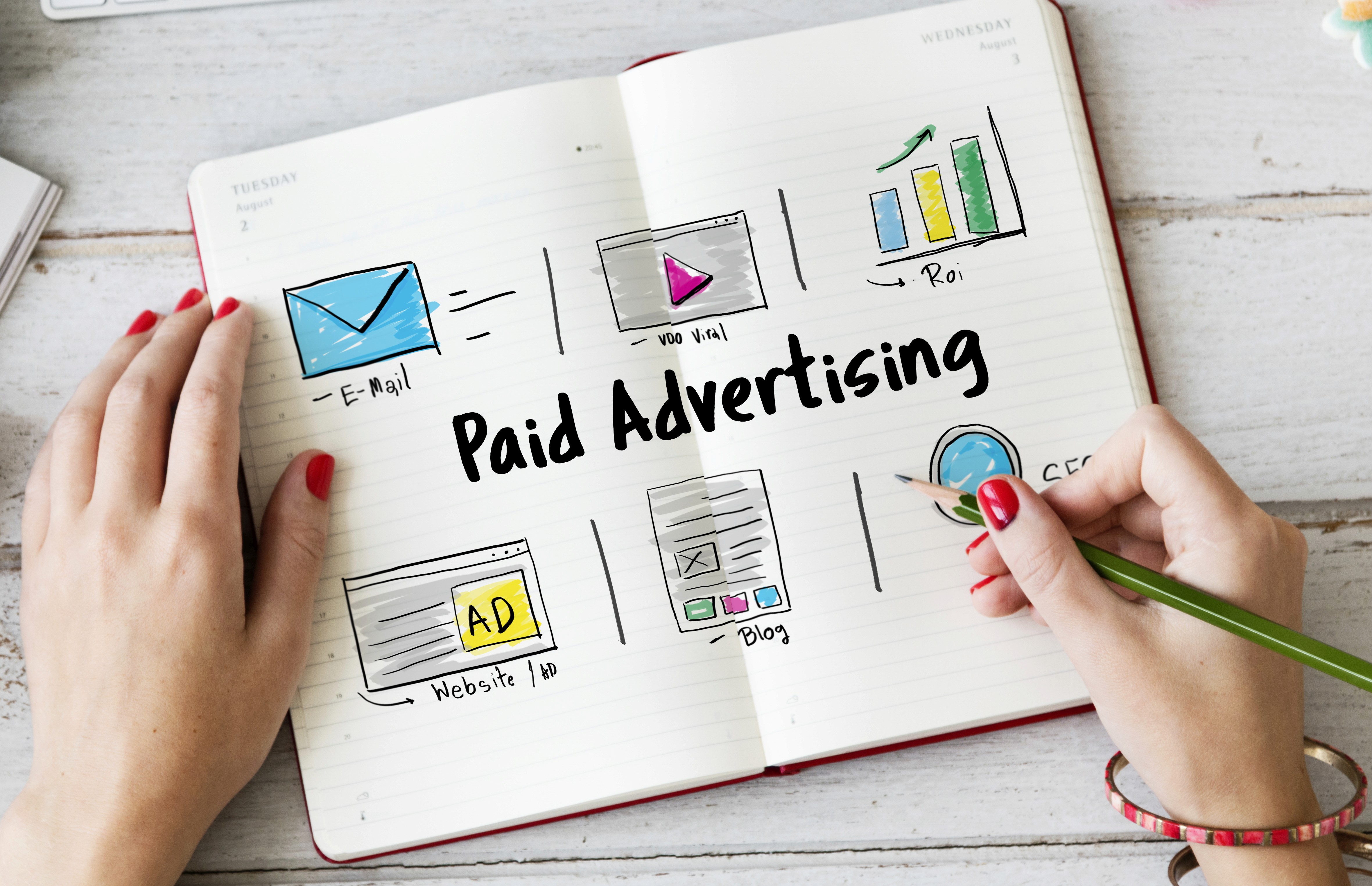
Businesses across the United States are investing in digital advertising to reach potential customers, generate qualified leads, and increase online sales. However, simply running advertisements does not guarantee profitable results. Companies need a clear strategy, relevant keywords, persuasive ad copy, and effective conversion tracking to make the most of their advertising budgets.
This is where a professional Google Ads agency USA can make a difference. By combining campaign planning, audience research, performance analysis, and continuous optimisation, an agency can help businesses connect with people who are actively searching for their products or services.
Whether a company operates in e-commerce, healthcare, technology, professional services, or another industry, a well-managed Google Ads campaign can support measurable marketing objectives. The key is to focus on business outcomes rather than clicks alone.
1. Understanding the Role of a Google Ads Agency
A Google Ads agency helps businesses plan, launch, manage, and improve paid advertising campaigns across Google's advertising platforms. Instead of approaching advertising as a one-time activity, the agency develops a strategy aligned with the company's objectives, target audience, and available budget.
Its responsibilities may include keyword research, competitor analysis, campaign structure, ad creation, bidding strategy, landing-page recommendations, and performance reporting.
For example, a software company looking to generate product demonstrations requires a different advertising strategy from an online retailer aiming to increase purchases. The software company may prioritise qualified leads, while the retailer may focus on sales revenue and return on ad spend.
A professional agency identifies these differences before developing a campaign. This helps ensure that advertising decisions are connected to the outcomes that matter most to the business.
2. Reaching the Right Audience Through Keyword Research
Keyword research is an essential part of successful search advertising. It helps businesses understand the terms potential customers use when looking for particular products, services, or solutions.
A Google Ads agency USA can research high-intent keywords, long-tail search terms, and relevant variations to identify opportunities that match a company's offerings. The objective is not simply to attract more visitors but to reach people whose searches indicate a genuine interest in the business.
For instance, someone searching for a specific accounting service may be closer to making a purchasing decision than someone searching for general information about accounting.
Agencies also review search-term reports and use negative keywords to reduce irrelevant traffic. This process can help businesses avoid spending money on searches that are unlikely to generate valuable enquiries or sales.
Keyword strategies should be reviewed regularly because customer behaviour, competition, and campaign performance can change over time.
3. Creating Campaigns That Support Business Goals
Every advertising campaign should begin with a clearly defined objective. Businesses may want to increase website traffic, generate enquiries, promote a new service, encourage purchases, or improve brand visibility.
A well-planned Google Ads strategy aligns campaign structure and bidding decisions with these objectives. Google recommends organising campaigns around their goals and maintaining relevance between search terms, advertisements, and landing pages.
Common campaign options include:
Search campaigns: Reach users searching for relevant products and services.
Display campaigns: Build awareness through visual advertising placements.
Shopping campaigns: Promote eligible products to people researching or purchasing items.
Video campaigns: Use video content to introduce products, explain services, or build brand familiarity.
Demand Gen campaigns: Reach and engage potential customers through visual, discovery-oriented advertising experiences.
The most suitable campaign type depends on the target audience, sales process, available assets, and marketing objectives. An agency should select formats based on business requirements rather than using every advertising option without a clear purpose.
4. Developing Compelling Ad Copy That Encourages Action
An advertisement needs to communicate value quickly. Potential customers should understand what the business offers, how it addresses their needs, and what action they can take next.
Effective ad copy focuses on relevant benefits instead of making vague promises. A business selling project management software, for example, might highlight improved visibility, streamlined workflows, or easier team coordination, provided these benefits accurately reflect the product.
A Google Ads agency can test different headlines, descriptions, calls to action, and value propositions to determine which combinations resonate with the intended audience.
Calls to action such as "Request a Consultation," "Explore Our Services," or "Get a Quote" can guide visitors towards the next step in the customer journey.
Advertising messages should also remain consistent with the destination page. If an advertisement promotes a particular service, the landing page should provide relevant details about that service instead of directing visitors to an unrelated general page.
5. Optimising Landing Pages for Better Conversions
Generating clicks is only one part of digital advertising. The website experience that follows determines whether visitors can easily find the information they need and complete the desired action.
Landing pages should load reliably, work well on mobile devices, explain the offer clearly, and make the next step straightforward. Depending on the business, the desired action might be completing a purchase, submitting an enquiry form, booking an appointment, or requesting a demonstration.
A Google Ads agency USA may review page structure, messaging, navigation, form length, and calls to action to identify opportunities for improvement.
For example, a service business may receive substantial traffic but few enquiries because its contact form is difficult to complete or its service benefits are unclear. Improving these elements may help the business make better use of its existing advertising traffic.
Landing-page optimisation should be guided by user behaviour and reliable performance data rather than assumptions alone.
6. Using Conversion Tracking and Smart Bidding
Conversion tracking helps businesses understand which advertising activities contribute to meaningful outcomes. Depending on the campaign, conversions may include purchases, qualified enquiries, phone calls, or completed registrations.
Without reliable tracking, businesses may struggle to distinguish valuable traffic from visits that produce little commercial benefit.
Google Ads offers Smart Bidding strategies that use automated systems to optimise bids towards goals such as conversions or conversion value. The appropriate strategy depends on the campaign's objective and the quality of its conversion data.

Google Ads Help
+1
An agency can help configure conversion actions, evaluate the quality of collected data, and select bidding strategies that suit the business.
For an e-commerce company, revenue and purchase value may be important measurements. For a B2B organisation, qualified leads and the value of resulting sales opportunities may provide a more useful picture of campaign performance.
Accurate measurement allows businesses to make decisions based on meaningful results rather than relying solely on impressions or clicks.
7. Managing Advertising Budgets Effectively
Advertising budgets need careful planning, particularly in competitive US markets where businesses may compete for the same search terms.
A professional agency considers factors such as keyword competition, expected conversion rates, customer value, campaign objectives, and available resources when recommending a budget.
Budget allocation should reflect business priorities. A campaign that generates high-quality leads may deserve additional investment, while one attracting irrelevant clicks may require restructuring or reduced spending.
Agencies also monitor cost per click, cost per conversion, conversion rate, and return on ad spend where relevant. These metrics help identify areas that need attention.
However, performance should be evaluated over an appropriate period and in the context of the sales cycle. A campaign generating enquiries for an enterprise service may take longer to produce revenue than one promoting a low-cost consumer product.
8. Measuring Performance and Improving Campaign Results
Successful advertising requires continuous evaluation. Campaign performance can change as competitors adjust their strategies, customer demand shifts, and search behaviour evolves.
A Google Ads agency should provide transparent reporting that explains what the campaigns are achieving, which areas need improvement, and what actions are planned next.
Useful metrics may include:
Click-through rate and relevant website traffic.
Conversion rate and cost per conversion.
Lead quality and sales-qualified enquiries.
Revenue generated and return on ad spend.
Performance by campaign, keyword, audience, and device.
Regular analysis allows marketers to identify ineffective advertisements, discover promising search terms, test new messages, and adjust budgets according to results.
Reporting should connect advertising activity to business objectives. A large number of clicks may look impressive, but qualified enquiries and profitable sales are often more valuable measures of success.
9. Choosing the Right Google Ads Agency in the USA
Selecting an agency requires more than comparing service prices. Businesses should evaluate whether a potential partner understands their industry, communicates clearly, and follows a structured approach to campaign management.
Consider these factors before making a decision:
Relevant experience: Look for experience with comparable business models, audiences, and campaign objectives.
Clear strategy: The agency should explain how keyword research, campaign structure, and advertising budgets will support your goals.
Transparent reporting: You should understand how performance is measured and how campaign decisions are made.
Conversion-focused thinking: The agency should consider lead quality, sales, and revenue rather than focusing exclusively on clicks.
Ongoing optimisation: Advertising management should include regular reviews, testing, and improvements based on evidence.
The right partner will work collaboratively with your team and recognise that sustainable growth depends on both advertising performance and the overall customer experience.
Conclusion
Working with a professional Google Ads agency USA can help businesses develop a more structured approach to paid advertising. From keyword research and compelling ad copy to landing-page improvements, conversion tracking, and budget optimisation, every part of a campaign should contribute to a clearly defined business objective.
However, profitable advertising does not come from launching campaigns and leaving them unchanged. It requires ongoing analysis, thoughtful experimentation, and a willingness to improve based on actual results.
By choosing an agency that values transparency, relevant targeting, and measurable outcomes, businesses can make more informed advertising decisions and build campaigns that support long-term growth.
Share this article
2 min read


