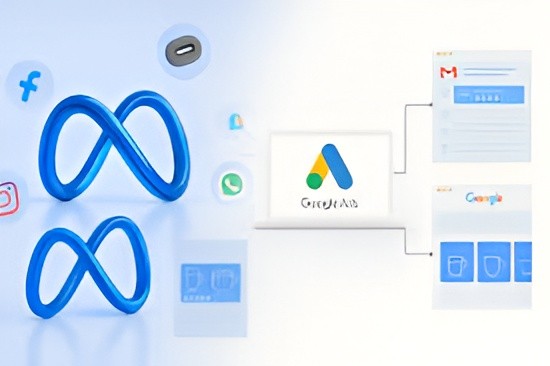
Digital advertising has become essential for businesses looking to increase brand awareness, generate leads, and drive sales. Among the most popular advertising platforms are Google Ads and Meta Ads. Both platforms offer powerful targeting capabilities, but they work differently and serve different marketing goals.
Businesses often struggle to decide which platform delivers better results. The answer depends on the business type, audience behavior, campaign goals, and budget.
Understanding the differences between Google Ads and Meta Ads helps businesses choose the right platform for maximum return on investment.
What Are Google Ads?
Google Ads is an online advertising platform where businesses display ads across Google Search, YouTube, Gmail, and partner websites.
Google Ads mainly targets users based on search intent. People searching for specific products or services on Google are already interested in finding solutions.
Types of Google Ads Campaigns
Search Ads
Display Ads
Shopping Ads
YouTube Video Ads
Performance Max Campaigns
Google Ads is highly effective for capturing users who are actively searching for products or services.
What Are Meta Ads?
Meta Ads include advertising on platforms owned by Meta, such as Facebook and Instagram.
Unlike Google Ads, Meta Ads focus more on audience interests, demographics, and user behavior rather than search intent.
Types of Meta Ads
Image Ads
Video Ads
Carousel Ads
Reels Ads
Story Ads
Lead Generation Ads
Meta Ads are highly visual and work well for brand awareness and audience engagement.
Key Difference Between Google Ads and Meta Ads
Search Intent vs Audience Discovery
Google Ads target users actively searching for something specific, while Meta Ads help businesses discover and attract potential customers through interests and behavior.
Example
Google Ads: A user searches “best digital marketing agency.”
Meta Ads: A user sees an ad while browsing Instagram or Facebook.
This difference significantly impacts campaign performance and objectives.
Advantages of Google Ads
High Purchase Intent
Users searching on Google are often ready to take action, making Google Ads highly effective for lead generation and conversions.
Strong Local SEO Support
Google Ads work well for local businesses targeting nearby customers.
Better for Service-Based Businesses
Industries like healthcare, legal services, education, and digital marketing often perform well on Google Ads.
Advanced Keyword Targeting
Businesses can target highly specific keywords relevant to their services.
Advantages of Meta Ads
Excellent Audience Targeting
Meta Ads allow businesses to target users based on:
Interests
Age
Behavior
Location
Lifestyle
Engagement patterns
Strong Visual Engagement
Instagram and Facebook are visual platforms, making Meta Ads ideal for:
Fashion brands
Food businesses
Lifestyle products
Creative industries
Cost-Effective Brand Awareness
Meta Ads often provide lower cost-per-impression compared to Google Ads.
Better Retargeting Opportunities
Businesses can retarget users who interacted with their website or social media pages.
Which Platform Is Better for Lead Generation?
Google Ads
Google Ads usually deliver better-quality leads because users already have purchase intent.
Meta Ads
Meta Ads can generate leads at a lower cost but may require more nurturing before conversion.
Businesses focused on direct conversions often prefer Google Ads, while businesses building awareness may benefit more from Meta Ads.
Which Platform Is Better for E-Commerce?
Google Shopping Ads
Ideal for users actively searching for products online.
Instagram and Facebook Shopping
Great for visually promoting products and increasing impulse purchases.
Many e-commerce brands successfully combine both platforms for better results.
Cost Comparison
Google Ads
Higher cost per click
Better conversion intent
Competitive keyword bidding
Meta Ads
Lower advertising costs
Wider audience reach
Better engagement potential
The best platform depends on campaign objectives and audience behavior.
Combining Google Ads and Meta Ads
Many businesses achieve the best results by combining both platforms.
Example Strategy
Use Meta Ads for awareness and engagement
Use Google Ads for conversions and lead generation
This creates a complete marketing funnel that guides users from discovery to purchase.
Future of Digital Advertising
AI, automation, and audience personalization are shaping the future of digital advertising.
Emerging trends include:
AI-powered ad optimization
Video-first advertising
Personalized audience targeting
Voice search advertising
Automated campaign management
Businesses that adapt to these changes will gain a competitive advantage.
Conclusion
Both Google Ads and Meta Ads offer unique advantages for businesses. Google Ads excel at capturing high-intent users actively searching for products or services, while Meta Ads are powerful for brand awareness, audience engagement, and visual storytelling.
Choosing the right platform depends on business goals, audience behavior, and marketing strategy. In many cases, combining both platforms delivers the strongest results and helps businesses maximize digital advertising performance.
Share this article
2 min read


