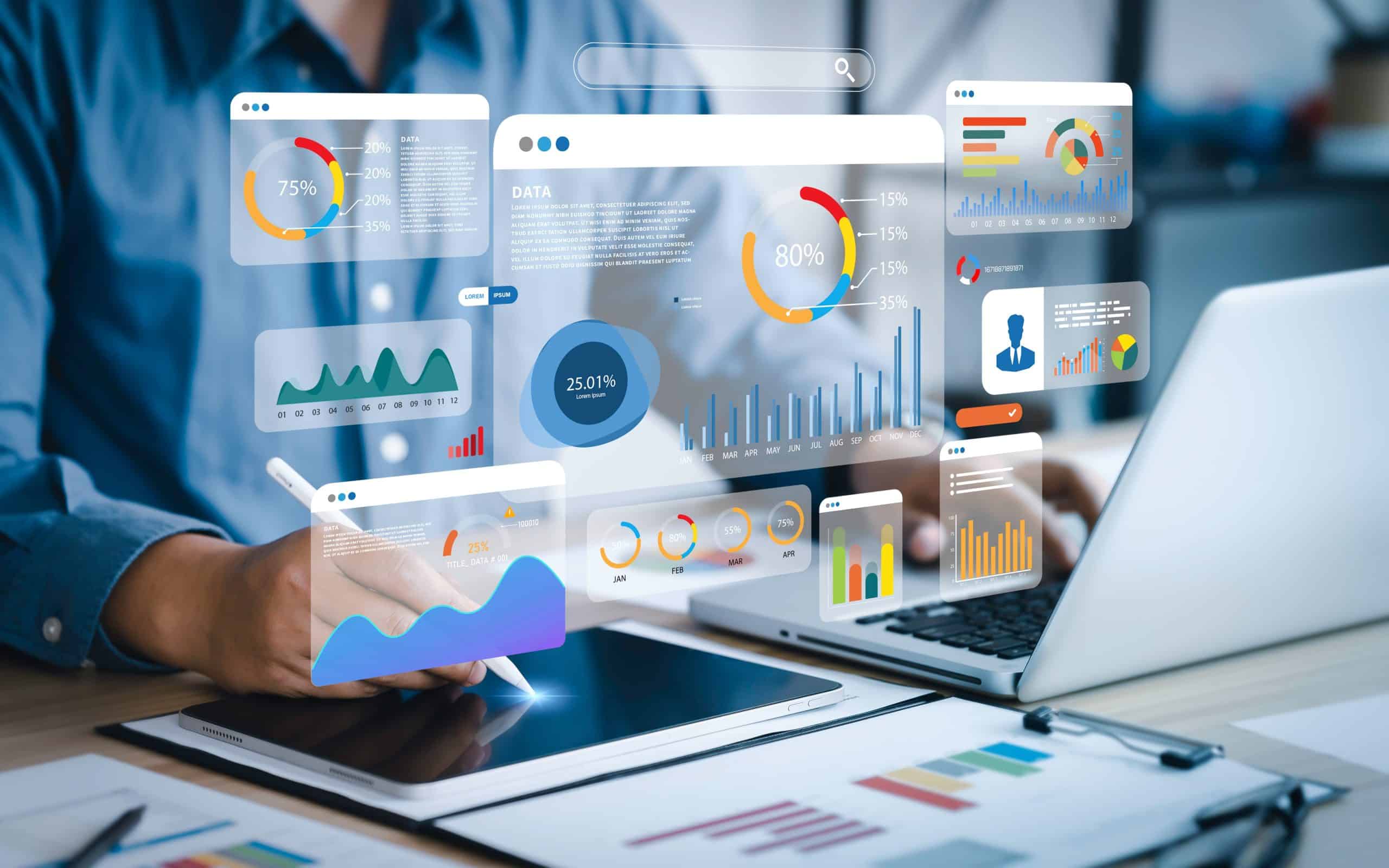
In the modern digital economy, small businesses face intense competition while trying to attract customers online. Traditional advertising methods often require large budgets without guaranteed results. This is why performance marketing has become one of the most effective growth strategies for small businesses.
Performance marketing focuses on measurable results such as clicks, leads, conversions, app installs, or sales. Unlike traditional marketing, businesses only pay when specific actions are completed.
This data-driven approach allows startups and small businesses to maximize returns while scaling efficiently.
What Is Performance Marketing?
Performance marketing is a digital marketing strategy where advertisers pay based on campaign performance.
Common performance marketing channels include:
Google Ads
Facebook Ads
Instagram Ads
YouTube Advertising
Affiliate Marketing
Native Advertising
Influencer Collaborations
The primary objective is to generate measurable business outcomes while optimizing marketing costs.
Why Performance Marketing Is Important for Small Businesses
Small businesses often operate with limited budgets and resources. Performance marketing helps them compete effectively by providing:
Better audience targeting
Real-time performance tracking
Budget flexibility
Faster lead generation
Improved return on investment
Instead of spending large amounts on uncertain campaigns, businesses can focus on strategies that deliver measurable growth.
Key Benefits of Performance Marketing
1. Measurable Results
One of the biggest advantages of performance marketing is transparency.
Businesses can track:
Website traffic
Click-through rates
Cost per lead
Conversion rates
Sales performance
This allows marketers to understand what is working and optimize campaigns accordingly.
2. Budget Control
Performance marketing allows businesses to start with smaller budgets and scale gradually based on results.
This makes it highly suitable for startups and growing companies.
3. Advanced Audience Targeting
Modern advertising platforms use advanced targeting options based on:
Demographics
Interests
Online behavior
Geographic location
Purchase intent
This ensures ads reach highly relevant audiences.
4. Faster Business Growth
Performance campaigns can generate leads and sales quickly compared to traditional marketing methods.
Businesses can scale successful campaigns and expand customer acquisition rapidly.
5. Higher ROI
Since businesses pay based on performance, marketing budgets are used more efficiently.
Optimized campaigns often produce higher returns compared to conventional advertising.
Popular Performance Marketing Channels
Google Ads
Google Ads help businesses appear in search results when customers actively search for products or services.
This is highly effective for generating high-intent leads.
Social Media Advertising
Platforms like Facebook and Instagram allow businesses to target specific audiences with engaging ads.
Short-form video ads and carousel campaigns perform especially well.
Influencer Marketing
Influencers help brands reach niche audiences with authentic recommendations.
Small businesses increasingly collaborate with micro-influencers for affordable promotions.
Affiliate Marketing
Affiliate partners promote products and earn commissions based on sales or leads generated.
This reduces upfront advertising risks.
How Small Businesses Can Scale with Performance Marketing
Start with Clear Goals
Businesses should define measurable objectives such as:
Lead generation
Website traffic
Product sales
Brand awareness
Test Multiple Campaigns
A/B testing different creatives, headlines, and audiences helps identify the best-performing strategies.
Optimize Landing Pages
Even strong ad campaigns can fail if landing pages are poorly designed.
Fast-loading and user-friendly pages improve conversions.
Focus on Retargeting
Retargeting campaigns help reconnect with users who previously interacted with the brand.
These campaigns often deliver higher conversion rates.
Use Analytics for Decision-Making
Regular performance analysis helps businesses improve campaigns continuously.
Common Mistakes to Avoid
Ignoring Data
Successful performance marketing depends heavily on analytics and optimization.
Poor Audience Targeting
Showing ads to irrelevant audiences wastes budget and reduces ROI.
Weak Creative Content
Low-quality visuals and messaging can reduce campaign effectiveness.
Not Tracking Conversions
Businesses must measure actual business outcomes instead of focusing only on impressions or clicks.
The Future of Performance Marketing
Performance marketing is evolving rapidly with technologies like:
Artificial Intelligence
Automation tools
Predictive analytics
AI-generated ad creatives
Personalized advertising
Brands that adopt data-driven marketing strategies will gain a major competitive advantage.
Conclusion
Performance marketing has become a powerful growth engine for small businesses. It allows brands to generate measurable results, optimize budgets, and scale faster in competitive digital markets.
By combining data analytics, audience targeting, and creative advertising, businesses can achieve sustainable growth while maximizing returns on investment.
As digital marketing continues to evolve, performance marketing will remain essential for businesses aiming to grow efficiently and compete successfully online.
Share this article
2 min read


