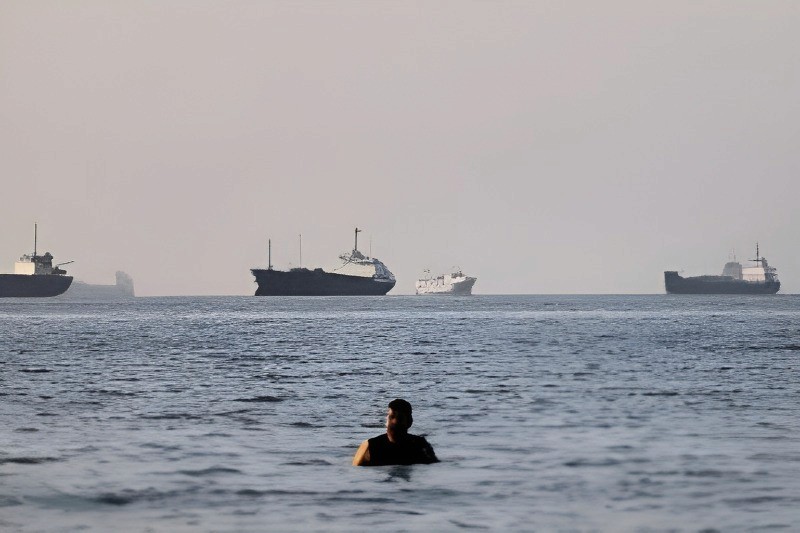
The Strait of Hormuz, one of the world's most strategically important waterways, has once again become the center of global attention. Iran's recent announcement that it is closing the Strait of Hormuz, citing alleged ceasefire violations by the United States and Israel, has sparked widespread discussions across social media platforms, financial markets, and international news outlets. The development has raised concerns about global oil supplies, regional security, and the possibility of renewed conflict in the Middle East.
As hashtags related to Iran, the Strait of Hormuz, oil prices, and Middle East tensions trend worldwide, many people are asking: What exactly happened, and why is everyone talking about it?
What Is the Strait of Hormuz?
The Strait of Hormuz is a narrow waterway connecting the Persian Gulf to the Gulf of Oman and the Arabian Sea. It serves as one of the most important maritime routes for global energy transportation.
A significant portion of the world's oil and liquefied natural gas (LNG) exports passes through this strategic passage every day. Any disruption in the Strait of Hormuz can have immediate consequences for global energy markets, shipping industries, and international trade. Experts estimate that a substantial share of global oil shipments depends on the uninterrupted flow of traffic through this route.
Because of its importance, the Strait has long been viewed as a geopolitical pressure point in Middle Eastern conflicts.
Why Did Iran Close the Strait of Hormuz?
According to reports from Iranian state media and international news agencies, Iran's military leadership announced the closure of the Strait of Hormuz in response to what it describes as violations of a ceasefire agreement by the United States and Israel. Iranian officials claimed that recent military actions and regional developments breached the terms of the understanding that had been intended to reduce tensions in the region.
Iran's Khatam al-Anbiya Central Headquarters reportedly stated that closing the waterway was the "first step" and warned that additional measures could follow if alleged violations continue.
However, there have been conflicting reports regarding the actual implementation of the closure. While Iranian sources announced the move, U.S. officials suggested there was no clear evidence that shipping traffic had been completely halted at the time of their statements.
This uncertainty has only added to global concern and media attention.
Impact on Global Oil Markets
One of the main reasons this story is trending is its potential impact on global oil prices.
Whenever tensions rise around the Strait of Hormuz, investors and traders become concerned about possible disruptions to oil supplies. Even the possibility of restricted shipping can trigger price volatility in international energy markets.
Reports indicate that oil markets reacted immediately to the news, with traders closely monitoring developments and assessing the risk of supply interruptions. Financial analysts warn that prolonged restrictions could lead to higher fuel costs, increased transportation expenses, and inflationary pressures across multiple economies.
Countries that rely heavily on imported oil, including India, China, Japan, and several European nations, could face economic consequences if disruptions continue.
Why Is It Trending on Social Media?
1. Global Energy Concerns
Millions of users are discussing how a closure of the Strait of Hormuz could affect fuel prices worldwide. Social media platforms such as X (formerly Twitter), Facebook, Instagram, and Reddit have seen a surge in conversations about oil prices and economic impacts.
2. Fear of Escalation
Many people are worried that the situation could escalate into a larger regional conflict involving multiple countries. Discussions about military tensions, ceasefire violations, and geopolitical risks have fueled viral posts and news sharing.
3. Conflicting Reports
One factor driving engagement is the confusion surrounding the situation. While Iranian sources claim the Strait has been closed, some Western officials have questioned whether a full closure has actually occurred. This contradiction has generated intense debate online.
4. Economic Anxiety
People are concerned about how rising oil prices could affect everyday expenses, including transportation, food prices, and household energy costs. As a result, the topic has gained attention far beyond political and military circles.
5. Viral News Coverage
Major international media organizations have extensively covered the story, helping it gain momentum across social platforms. News clips, expert interviews, and geopolitical analyses have been widely shared by users seeking updates and explanations.
Historical Importance of the Strait of Hormuz
This is not the first time the Strait of Hormuz has been at the center of international tensions.
Over the years, disputes involving Iran, the United States, and regional powers have repeatedly raised concerns about freedom of navigation through the waterway. Previous threats, military incidents, and shipping disruptions have demonstrated how sensitive the region remains.
Because the Strait is so vital to global trade, even small disruptions can attract worldwide attention and trigger economic consequences.
What Happens Next?
The future of the situation remains uncertain. Diplomatic efforts are reportedly ongoing, with international stakeholders seeking ways to prevent further escalation and maintain stability in the region.
Analysts believe that several outcomes are possible:
Renewed diplomatic negotiations.
Increased international pressure to reopen shipping routes.
Further military or political tensions if ceasefire disputes continue.
Additional economic volatility in energy markets.
The coming days will be critical in determining whether the situation stabilizes or escalates further.
Conclusion
Iran's announcement regarding the closure of the Strait of Hormuz has become one of the most discussed global stories due to its potential impact on international trade, energy supplies, and regional security. The combination of geopolitical tensions, economic concerns, and conflicting reports has fueled widespread discussion across social media platforms and news networks worldwide.
As governments, investors, and citizens closely monitor developments, the Strait of Hormuz remains a key symbol of how regional conflicts can have global consequences. Whether through rising oil prices, diplomatic negotiations, or security concerns, the world's attention is firmly focused on this crucial waterway.
The situation continues to evolve, making it one of the most significant international stories currently trending online.
Share this article
2 min read


