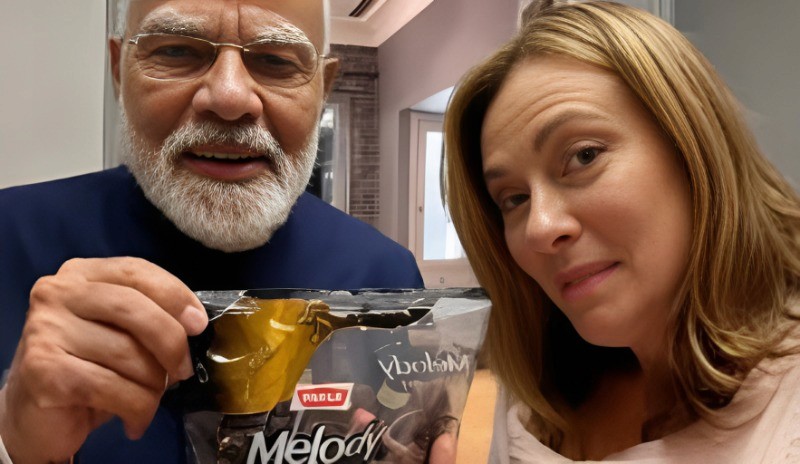
In the modern digital age, politics is no longer limited to press conferences, official meetings, and policy announcements. Social media platforms such as Instagram, X, YouTube, and TikTok have transformed the way global leaders connect with the public. One of the most talked-about examples in recent times has been the “Modi and Meloni Melody” trend, which became a viral sensation across social media platforms.
Indian Prime Minister Narendra Modi and Italian Prime Minister Giorgia Meloni attracted massive online attention after their public interactions during international events. Their friendly chemistry, candid moments, and social media clips quickly became meme material and entertainment content for millions of users worldwide.
The Rise of the Modi-Meloni Trend
The trend started when Giorgia Meloni shared pictures and videos with Narendra Modi during global summits and international meetings. Social media users instantly picked up these moments and began creating edited videos, reels, memes, and humorous captions.
The hashtag associated with the trend spread rapidly because audiences enjoyed seeing a lighter and more relatable side of world leaders. Instead of only discussing diplomacy and policy matters, users focused on body language, smiles, and casual interactions.
The internet thrives on moments that feel authentic and entertaining. The Modi-Meloni trend worked because it combined politics, humor, pop culture, and creativity into highly shareable content.
Why the Internet Loved the Trend
Several reasons contributed to the popularity of the Modi and Meloni social media trend.
1. Humanizing Political Leaders
People are often used to seeing politicians in formal settings. Viral moments showing relaxed interactions make leaders appear more approachable and relatable.
2. Meme Culture
Modern internet culture is driven heavily by memes and short-form video content. Creators used trending music, cinematic edits, and humorous dialogues to turn diplomatic moments into viral entertainment.
3. Youth Engagement
Young audiences who may not normally follow international politics became interested because of the entertaining format. Social media trends can often make political topics accessible to younger demographics.
4. Global Reach
The trend crossed geographical boundaries. Indian and Italian audiences both participated, while users from other countries also joined the conversation.
Social Media’s Role in Political Branding
Today, political branding is strongly influenced by digital media. Leaders who maintain a strong online presence often receive greater engagement from the public.
Narendra Modi is already known for effectively using social media to connect with citizens and global audiences. Giorgia Meloni has also built a recognizable online presence through direct communication and digital engagement.
The Modi-Meloni trend demonstrated how social media can amplify even small interactions into worldwide discussions.
The Power of Viral Content
Viral content spreads because it triggers emotions such as humor, excitement, curiosity, or surprise. In this case, audiences enjoyed the unexpected blend of diplomacy and entertainment.
Content creators played a major role by continuously producing reels, edits, and meme templates. As more users interacted with the trend, algorithms pushed the content further, increasing visibility.
This is a clear example of how internet culture influences modern communication.
Criticism and Concerns
While many users found the trend entertaining, some critics argued that excessive focus on memes can distract from important political discussions.
There were concerns that diplomatic meetings should not be reduced entirely to entertainment content. Others believed that such trends help increase public interest in international relations.
This debate reflects the changing nature of political communication in the digital era.
The Impact on Pop Culture
The Modi and Meloni trend became more than just a political discussion. It entered pop culture through remix videos, fan edits, reaction clips, and parody content.
Brands, influencers, and meme pages also joined the trend to gain engagement. This demonstrates how internet trends can rapidly evolve beyond their original context.
Future of Politics and Social Media
The Modi-Meloni trend highlights an important reality: politics and entertainment are becoming increasingly interconnected online.
Social media platforms reward engaging and emotional content. As a result, politicians and public figures are becoming more visible in informal and viral contexts.
In the future, we can expect more political moments to become internet trends, especially as short-form video platforms continue to dominate digital communication.
Conclusion
The “Modi and Meloni Melody” trend is a perfect example of how social media transforms global events into viral conversations. What started as diplomatic interactions quickly became an international online sensation.
The trend showcased the power of memes, digital creativity, and audience engagement in shaping modern political narratives. Whether viewed as entertainment or a reflection of changing communication styles, the phenomenon proves that social media now plays a major role in global politics and public perception.
As internet culture continues to evolve, moments like these will likely become more common, blending leadership, entertainment, and digital storytelling in entirely new ways.
Share this article
2 min read


