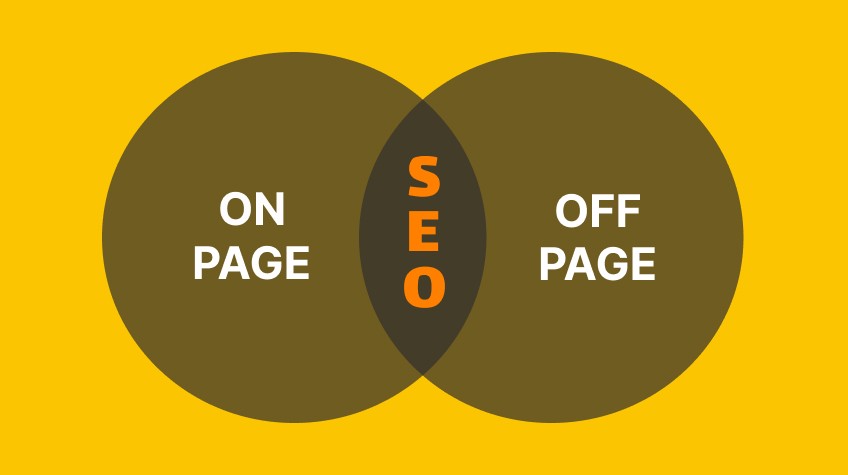
Search Engine Optimization (SEO) is essential for improving your website’s visibility and ranking on search engines. It is broadly divided into two categories: On-Page SEO and Off-Page SEO. Understanding the difference between these two is crucial for building a strong digital presence.
What is On-Page SEO?
On-Page SEO refers to the optimization techniques applied directly on your website to improve its ranking. It focuses on content quality, structure, and technical elements.
Key On-Page SEO Factors:
Keyword Optimization: Use relevant keywords naturally in titles, headings, and content
Meta Tags: Optimize title tags and meta descriptions
Content Quality: Create informative, engaging, and original content
URL Structure: Keep URLs short and keyword-rich
Internal Linking: Link relevant pages within your website
Mobile-Friendliness: Ensure your site works well on all devices
Page Speed: Optimize loading time for better user experience
What is Off-Page SEO?
Off-Page SEO involves activities performed outside your website to improve its authority and credibility.
Key Off-Page SEO Factors:
Backlink Building: Getting links from high-authority websites
Social Media Marketing: Promoting content across social platforms
Guest Blogging: Writing articles for other websites
Brand Mentions: Increasing visibility through online mentions
Influencer Outreach: Collaborating with industry influencers
Key Differences Between On-Page and Off-Page SEO
Aspect | On-Page SEO | Off-Page SEO |
|---|---|---|
Focus | Website optimization | External promotion |
Control | Fully in your control | Depends on third parties |
Goal | Improve user experience & relevance | Build authority & trust |
Examples | Content, keywords, meta tags | Backlinks, social signals |
Best Practices for On-Page SEO
Write for Users First
Focus on creating valuable content that solves user problems.Optimize Headings Properly
Use H1, H2, and H3 tags to structure content clearly.Use Keywords Strategically
Avoid keyword stuffing; maintain natural flow.Improve Page Speed
Compress images and use fast hosting.Optimize Images
Use alt tags and descriptive file names.
Best Practices for Off-Page SEO
Build High-Quality Backlinks
Focus on quality over quantity.Leverage Social Media
Share content regularly to increase visibility.Engage in Guest Posting
Publish content on reputable websites.Monitor Brand Mentions
Track and respond to mentions online.Create Shareable Content
Infographics, videos, and guides perform well.
Conclusion
Both On-Page and Off-Page SEO are equally important for a successful SEO strategy. While On-Page SEO ensures your website is optimized for users and search engines, Off-Page SEO builds your website’s authority and credibility.
To achieve long-term success, businesses should focus on a balanced approach combining both strategies.
FAQs
1. Which is more important, On-Page or Off-Page SEO?
Both are important. On-Page SEO builds the foundation, while Off-Page SEO improves authority.
2. How long does SEO take to show results?
SEO typically takes 3–6 months to show noticeable results.
3. Can I do SEO without backlinks?
You can rank for low-competition keywords, but backlinks are essential for competitive niches.
4. What is the most important On-Page SEO factor?
High-quality content and user experience are the most important factors.
5. How can I improve Off-Page SEO quickly?
Focus on building quality backlinks and promoting content on social media.
Grow Your Business with Experts
Looking to improve your website rankings and drive more traffic? Smarkupp Studios offers expert SEO services tailored to your business needs. Contact us today and take your digital growth to the next level!
Share this article
2 min read


