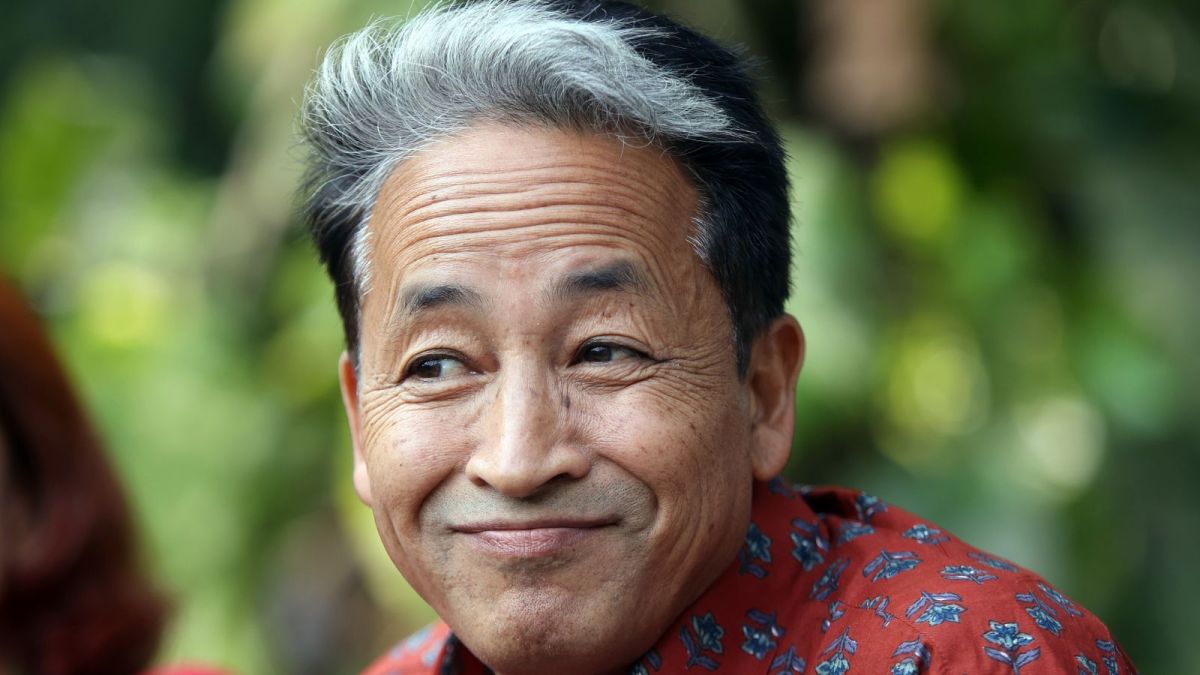
India's youth are increasingly finding new ways to express their concerns about unemployment, education reforms, examination transparency, and governance. In recent months, one movement that has captured widespread attention is the Cockroach Janta Party (CJP), a social media-driven campaign that has transformed from a satirical online trend into a platform for discussing serious issues affecting young Indians.
Adding further momentum to the movement are reports that renowned innovator, educator, and environmental activist Sonam Wangchuk may join the Cockroach Janta Party's planned protest in Delhi on June 6. His possible participation has generated significant discussion among students, educators, professionals, and policymakers across the country.
Known for his innovative approach to education, sustainable development initiatives, and advocacy for youth empowerment, Wangchuk's involvement could mark an important milestone in the evolution of the movement. As anticipation builds ahead of June 6, many are asking whether this could become a turning point in India's growing youth-driven activism.
Understanding the Cockroach Janta Party Movement
The Cockroach Janta Party emerged as an unconventional movement that gained popularity through social media platforms. While the name may initially sound humorous, the issues highlighted by the movement are anything but trivial.
The movement uses the cockroach as a symbol of resilience and survival. Supporters argue that today's youth often face difficult circumstances, including job scarcity, rising competition, delayed recruitment processes, and increasing economic pressures. Like the cockroach, they believe young people continue to adapt and persevere despite challenges.
Within a short period, the movement attracted millions of social media impressions and sparked discussions across online communities. What began as satire gradually evolved into a broader conversation about youth aspirations and frustrations.
The popularity of the movement demonstrates how digital platforms are changing the way younger generations engage with social and political issues.
Who Is Sonam Wangchuk?
Sonam Wangchuk is one of India's most respected innovators and social reformers. He is widely known for his contributions to education, sustainable technology, environmental conservation, and rural development.
Over the years, Wangchuk has earned recognition for creating practical solutions to real-world challenges. His work has inspired students, entrepreneurs, and policymakers alike.
Some of his notable contributions include:
Educational Innovation
Wangchuk has consistently advocated for educational systems that encourage creativity, critical thinking, and practical problem-solving rather than rote memorization.
Environmental Leadership
He is internationally recognized for promoting sustainable development and climate-resilient technologies, including the innovative Ice Stupa project in Ladakh.
Youth Empowerment
Through various initiatives, Wangchuk has encouraged young people to become innovators and changemakers capable of solving local and national challenges.
Because of these achievements, his voice carries considerable influence among India's younger generation.
Why Is Sonam Wangchuk Supporting the Movement?
Recent statements suggest that Wangchuk views the concerns raised by the Cockroach Janta Party as legitimate reflections of challenges faced by young Indians.
His support appears to stem from several overlapping concerns:
Growing Youth Unemployment
Many educated young people continue to struggle with employment opportunities despite obtaining degrees and qualifications.
Educational Challenges
Questions surrounding examination systems, recruitment processes, and skill development have become major concerns among students.
Need for Meaningful Dialogue
Wangchuk has consistently emphasized the importance of listening to citizens and creating constructive platforms for discussion.
Innovation-Based Solutions
Rather than focusing solely on criticism, Wangchuk advocates practical solutions that address root causes of societal challenges.
These values align closely with many of the issues highlighted by supporters of the movement.
Why June 6 Could Become a Defining Moment
The proposed June 6 protest has attracted national attention because it may represent the first major offline demonstration associated with the movement.
If Sonam Wangchuk participates, the event could achieve several important outcomes:
Increased Public Awareness
Media coverage surrounding Wangchuk's involvement could bring greater attention to youth-related issues.
Greater Credibility
His reputation as an educator and innovator could help the movement gain wider acceptance among the public.
Expansion Beyond Social Media
The movement may begin transitioning from online activism to real-world civic engagement.
Policy Discussions
The protest could encourage policymakers to engage more seriously with concerns raised by young citizens.
For many supporters, June 6 represents an opportunity to transform digital conversations into meaningful action.
The Unemployment Crisis and Youth Frustration
One of the primary reasons behind the movement's popularity is growing concern about employment opportunities.
India has one of the largest youth populations in the world. While this demographic advantage presents enormous potential, it also creates significant challenges.
Many young people face:
Intense competition for limited jobs
Delays in recruitment examinations
Skill mismatches between education and industry requirements
Economic uncertainty
Limited opportunities in certain sectors
These concerns have become increasingly visible on social media, where young professionals openly discuss their experiences and frustrations.
The Cockroach Janta Party has provided a platform for these voices, helping to amplify conversations that many believe deserve greater attention.
Education Reform: A Shared Priority
Education lies at the heart of Sonam Wangchuk's work and the concerns raised by many movement supporters.
The Current Debate
Students across India have raised questions regarding:
Examination transparency
Recruitment fairness
Curriculum relevance
Practical skill development
Career readiness
Wangchuk's Perspective
For decades, Wangchuk has argued that education should focus on developing creativity, innovation, and critical thinking.
He believes students should be encouraged to solve real-world problems rather than simply memorize information for examinations.
This philosophy resonates strongly with many young Indians who feel the current system requires significant modernization.
The Role of Social Media in Modern Activism
The success of the Cockroach Janta Party highlights the growing influence of digital activism.
Unlike traditional political movements, which often rely on physical gatherings and organizational structures, this movement gained traction primarily through:
Viral Content
Memes, short videos, and social media posts helped spread the movement's message quickly.
Community Building
Online platforms enabled supporters from different regions to connect and share experiences.
Public Engagement
Digital discussions encouraged participation from individuals who may not typically engage in political conversations.
Rapid Mobilization
Information can now reach millions of people within hours, creating opportunities for large-scale engagement.
This transformation reflects broader changes in how younger generations communicate and organize around important issues.
What Supporters Hope to Achieve
Supporters of the movement believe Wangchuk's involvement could help advance several key objectives.
Better Employment Opportunities
Many hope for policies that encourage entrepreneurship, innovation, and job creation.
Educational Improvements
Supporters seek reforms that make education more practical and relevant to modern industries.
Increased Accountability
There are growing calls for greater transparency in examinations and recruitment processes.
Youth Representation
Many young citizens want stronger representation in discussions that affect their future.
Constructive Solutions
Supporters appreciate Wangchuk's emphasis on finding practical solutions rather than focusing solely on criticism.
Challenges Facing the Movement
Despite its popularity, the Cockroach Janta Party faces several challenges.
Sustaining Momentum
Many viral movements struggle to maintain public interest over extended periods.
Organizational Structure
The movement will need clear leadership and strategic planning to achieve long-term goals.
Policy Development
Supporters may need to develop detailed proposals that move beyond general demands for change.
Diverse Expectations
Different supporters may have varying priorities, making consensus difficult to achieve.
Addressing these challenges will be crucial if the movement hopes to create lasting impact.
What Could Happen After June 6?
Several possible scenarios could emerge following the planned protest.
Greater National Attention
Media coverage could significantly expand public awareness of youth-related concerns.
New Partnerships
Educators, activists, and civil society organizations may become more involved.
Policy Engagement
Government institutions may respond with consultations or reform discussions.
Continued Mobilization
The movement could evolve into a larger platform focused on youth issues and civic participation.
Regardless of the immediate outcomes, the event is likely to influence conversations about education, employment, and governance.
The Broader Significance for India's Youth
The growing popularity of the Cockroach Janta Party reflects broader changes in Indian society.
Young people are increasingly:
Using technology to organize and communicate
Demanding greater accountability
Seeking practical solutions to systemic challenges
Participating in public discourse
Advocating for reforms that affect their future
Sonam Wangchuk's expected involvement symbolizes the connection between innovation, education, and civic engagement.
For many supporters, he represents the idea that meaningful change begins with creative thinking and active participation.
Conclusion
The possibility of Sonam Wangchuk joining the Cockroach Janta Party protest on June 6 has added a new dimension to one of India's most talked-about youth movements.
Whether or not the movement ultimately evolves into a long-term force, it has already succeeded in drawing attention to critical issues affecting millions of young Indians. From unemployment and educational reforms to transparency and civic participation, these conversations are shaping the future of public discourse in the country.
Wangchuk's expected participation could provide additional visibility, credibility, and direction to the movement. More importantly, it highlights the growing role of young citizens in demanding solutions, accountability, and opportunities.
As June 6 approaches, the nation will be watching closely to see whether this moment becomes a catalyst for broader discussions and meaningful change. Whatever happens next, the movement has already demonstrated the power of youth voices in modern India.
Share this article
2 min read


