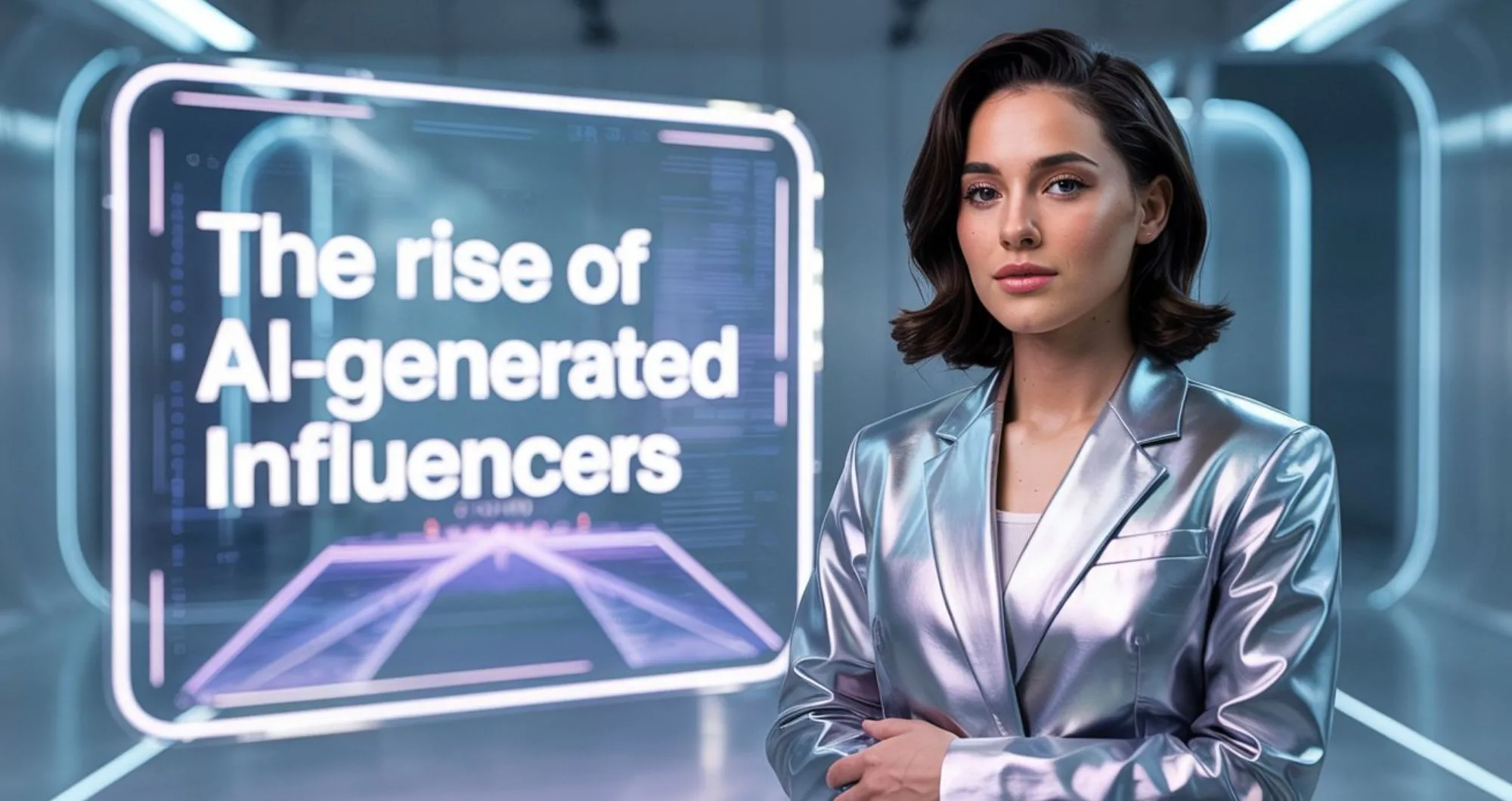
The world of social media is evolving faster than ever, and one of the most fascinating developments in 2026 is the rise of AI-generated influencers. These virtual personalities are attracting millions of followers, securing brand partnerships, and generating engagement levels that rival some of the biggest human influencers. As artificial intelligence continues to reshape industries, social media marketing is witnessing a major transformation.
From fashion and beauty to technology and travel, AI influencers are becoming increasingly common on platforms such as Instagram, TikTok, YouTube, and X. Their growing popularity has sparked an important question: Are human influencers losing their edge, or is there still something uniquely valuable about authentic human creators?
What Are AI-Generated Influencers?
AI-generated influencers are digital personalities created using artificial intelligence, computer graphics, and machine learning technologies. Unlike traditional influencers, these virtual figures do not exist in the physical world. They are designed, managed, and controlled by companies, marketing agencies, or creative teams.
These influencers can post photos, create videos, engage with followers, promote products, and even participate in virtual events. Advanced AI tools allow them to mimic human expressions, conversations, and behaviors, making them appear remarkably realistic.
Some virtual influencers have already amassed millions of followers and collaborated with global brands, proving that audiences are willing to engage with digital personalities.
Why AI Influencers Are Becoming Popular
1. Complete Brand Control
One of the biggest advantages of AI influencers is predictability. Brands can control every aspect of their content, personality, and messaging.
Unlike human influencers, virtual influencers do not face personal controversies, scheduling conflicts, or unexpected public scandals. This makes them an attractive option for businesses looking to protect their brand image.
2. Cost-Effective Marketing
While developing an AI influencer requires an initial investment, long-term costs can be lower compared to working with multiple human influencers.
Brands can use the same virtual personality across campaigns, countries, and languages without the logistical challenges associated with human creators.
3. 24/7 Content Creation
AI influencers can create and publish content around the clock. They do not need breaks, vacations, or downtime.
This continuous availability allows brands to maintain a consistent online presence and engage audiences across different time zones.
4. Technological Curiosity
Many social media users are fascinated by emerging technologies. AI influencers attract attention simply because they represent the future of digital interaction.
The novelty factor often drives higher engagement and increased media coverage.
Industries Adopting AI Influencers
Several industries are actively embracing AI-generated influencers:
Fashion
Virtual models can showcase new collections, participate in digital fashion shows, and promote luxury brands.
Beauty
AI influencers are being used to demonstrate makeup products, skincare routines, and beauty tutorials.
Travel
Virtual creators can promote destinations, hotels, and tourism experiences through digitally generated content.
Technology
Tech brands use AI influencers to discuss innovations, gadgets, and emerging trends in artificial intelligence.
Challenges Facing AI Influencers
Despite their growing popularity, AI influencers face several limitations.
Lack of Authentic Human Experience
Followers often connect with influencers because of their personal stories, emotions, and real-life experiences.
AI-generated personalities cannot genuinely experience joy, struggle, success, or failure. This can make their content feel less authentic.
Trust Concerns
Consumers increasingly value transparency. Some users may feel uncomfortable engaging with influencers that are entirely artificial.
Brands must clearly disclose when content is generated or managed using AI technologies.
Ethical Questions
The rise of AI influencers raises concerns about authenticity, digital manipulation, and the future of creative employment.
Many industry experts are debating how much influence artificial intelligence should have over online culture.
Why Human Influencers Still Matter
While AI influencers offer impressive capabilities, human creators continue to hold significant advantages.
Genuine Connections
People naturally relate to other people. Human influencers share real experiences, emotions, and challenges that resonate with audiences.
Personal Stories
Authentic storytelling remains one of the most powerful forms of content marketing. Human influencers can discuss personal journeys that inspire and motivate followers.
Community Building
Human creators often build strong communities based on shared interests, trust, and meaningful interactions.
These relationships are difficult for AI-generated personalities to replicate.
The Future of Influencer Marketing
Rather than replacing human influencers, AI influencers are likely to complement them.
Brands may increasingly adopt hybrid strategies that combine the creativity and authenticity of human creators with the efficiency and scalability of AI personalities.
This approach allows companies to maximize reach while maintaining genuine audience engagement.
Conclusion
The rise of AI-generated influencers represents one of the most significant shifts in social media marketing. Their ability to create content, maintain brand consistency, and operate around the clock makes them attractive to businesses worldwide.
However, human influencers continue to offer authenticity, emotional connection, and real-world experiences that audiences deeply value. Instead of replacing human creators, AI influencers are likely to become an additional tool within the broader influencer marketing ecosystem.
As technology continues to advance, the future of social media will likely be shaped by collaboration between artificial intelligence and human creativity, creating new opportunities for brands, creators, and audiences alike.
Share this article
2 min read


