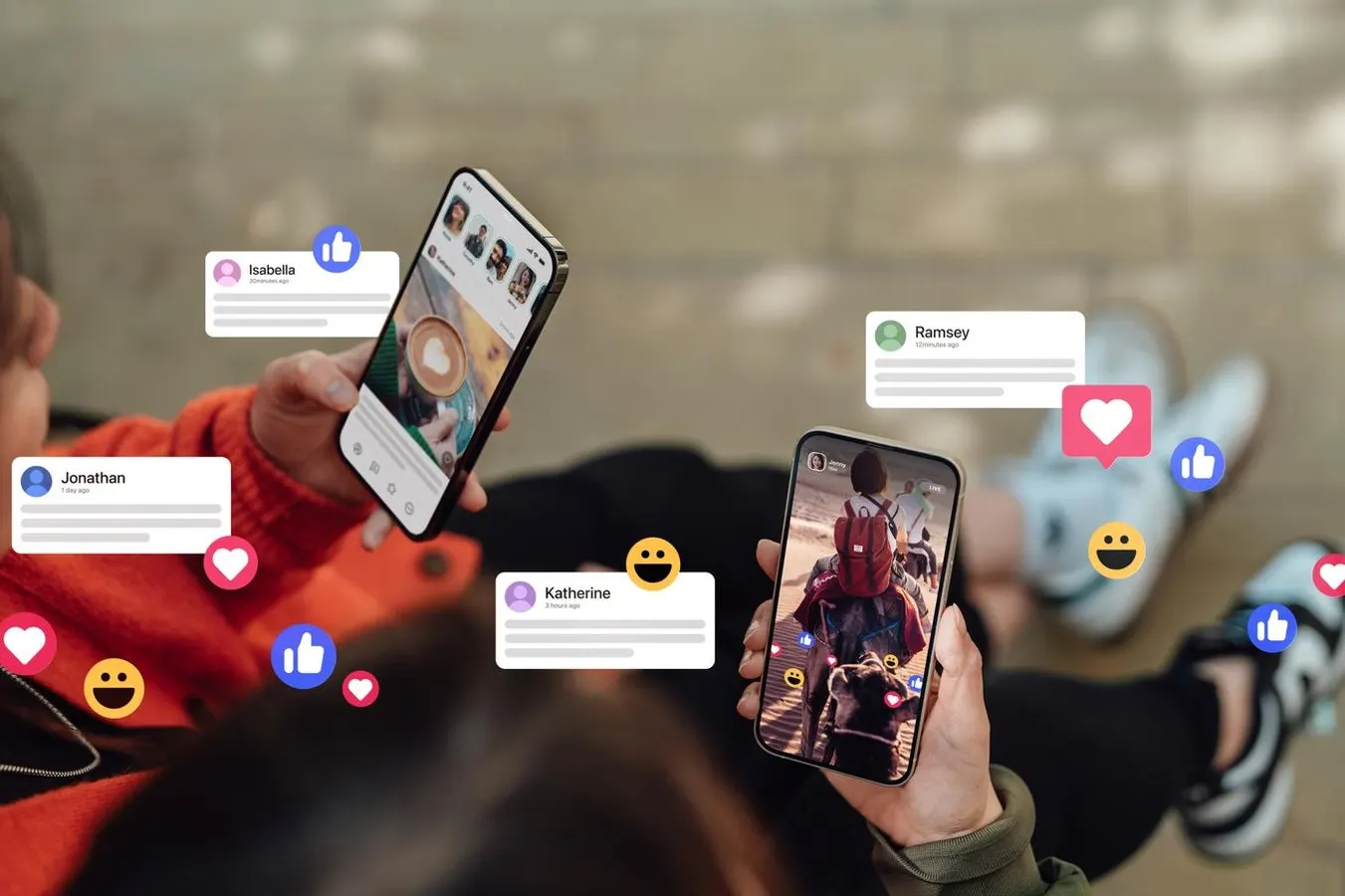
In the last decade, the internet has transformed ordinary individuals into powerful media platforms. YouTube creators, Instagram influencers, podcasters, and TikTok personalities are no longer just content creators—they are business owners building multi-million-dollar brands. This shift has given rise to what is now known as creator-led brands, and it is redefining how modern marketing works.
Unlike traditional companies that rely on corporate messaging and large advertising budgets, creator-led brands grow through trust, personality, and direct audience relationships. As attention becomes more fragmented, this model is proving to be one of the most effective ways to build loyalty and drive sales.
What Are Creator-Led Brands?
Creator-led brands are businesses built around a personal identity or creator-driven audience. Instead of a faceless company speaking to consumers, a recognizable individual becomes the face, voice, and emotional connection point of the brand.
These creators typically start with content and later expand into:
Digital products (courses, memberships, guides)
Physical products (merchandise, skincare, fitness goods)
Software tools or SaaS products
Consulting or coaching services
Media companies
The core advantage is simple: trust already exists before the product is launched.
Why Creator-Led Brands Are Growing Rapidly
Several major shifts in consumer behavior and technology have fueled this trend.
1. Trust Over Advertising
Consumers today trust individuals more than corporations. A recommendation from a creator feels more authentic than a traditional advertisement.
2. Direct Audience Access
Creators don’t rely on intermediaries. Social platforms like YouTube, Instagram, and TikTok allow them to reach millions directly.
3. Low Barrier to Entry
Anyone with a smartphone and consistent content strategy can build an audience without massive upfront investment.
4. Emotional Connection
Creators share personal stories, opinions, and experiences, which builds stronger emotional bonds than traditional brand messaging.
How Creator-Led Brands Differ from Traditional Brands
Traditional Brands | Creator-Led Brands |
|---|---|
Corporate messaging | Personal storytelling |
High ad spend | Organic audience growth |
Indirect customer relationship | Direct engagement |
Slow feedback loops | Instant audience feedback |
Brand-first identity | Personality-first identity |
This shift shows that personality is becoming more powerful than positioning alone.
Key Lessons Businesses Can Learn
Even if a company is not run by a creator, there are powerful strategies it can adopt.
1. Build a Human Brand Voice
Brands should stop sounding overly corporate. A more human tone builds trust and engagement. Customers want to talk to people, not logos.
2. Invest in Founder-Led Marketing
Founders who actively share insights, stories, and experiences can dramatically increase brand visibility. Platforms like LinkedIn, X (Twitter), and YouTube are especially powerful for this.
3. Prioritize Content Over Ads
Creators win because they consistently produce content that educates, entertains, or inspires. Businesses should adopt a similar content-first approach instead of relying only on paid ads.
4. Focus on Community Building
Successful creators don’t just build audiences—they build communities. Businesses should encourage interaction, feedback, and engagement.
5. Leverage Authentic Storytelling
Stories are more powerful than features. Instead of saying what a product does, brands should show how it impacts real people.
The Role of Social Media in Creator-Led Growth
Social platforms are the backbone of creator success. Each platform plays a unique role:
YouTube: Long-form authority building
Instagram: Visual storytelling and lifestyle branding
TikTok: Viral reach and rapid audience growth
LinkedIn: Professional authority and B2B influence
Podcasts: Deep trust-building and thought leadership
Creators use these platforms not just for visibility, but for building long-term relationships.
Why Creator-Led Brands Outperform Traditional Marketing
Higher Trust Levels
Audiences trust creators because they feel personal and relatable.
Faster Market Entry
Creators can launch products quickly without complex corporate processes.
Stronger Engagement
Audiences actively interact with creators, leading to higher engagement rates.
Built-In Distribution
Creators already have an audience ready to consume and promote new products.
Challenges of Creator-Led Brands
While powerful, this model also comes with limitations:
Dependency on Personal Identity
If the creator steps away, the brand may lose momentum.
Content Pressure
Creators must consistently produce high-quality content to maintain relevance.
Scaling Limitations
As demand grows, operational systems must evolve beyond the individual.
How Traditional Businesses Can Adapt
Traditional brands don’t need to become creators—but they can adopt creator principles:
Showcase leadership personalities
Share behind-the-scenes content
Build relatable storytelling campaigns
Engage directly with audiences on social platforms
Encourage employee-generated content
This hybrid model combines structure with authenticity.
The Future of Creator-Led Business Models
The creator economy is expected to expand further, leading to:
More niche micro-creators
Creator-driven startups
Hybrid influencer + brand partnerships
AI-assisted content creation for creators
Subscription-based creator communities
Brands that fail to adapt may struggle to compete with more agile, personality-driven businesses.
Conclusion
The rise of creator-led brands marks a major shift in modern marketing. Trust, authenticity, and personal connection are now more valuable than traditional advertising power. Businesses that embrace creator-style storytelling, community engagement, and authentic communication will stay ahead in an increasingly competitive digital world.
In the future, the most successful brands will not just sell products - they will build personalities, communities, and movements.
Share this article
2 min read


