If you have scrolled through X (formerly Twitter), Instagram Reels, or tech YouTube over the last 24 hours, you have likely run into a barrage of memes and shocked reactions about Bharat Sanchar Nigam Limited (BSNL).
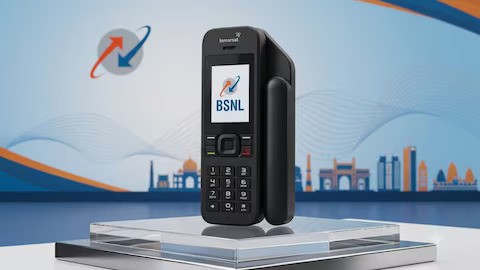
The state-run Indian telecom operator has just launched a new phone that looks straight out of the late 1990s - complete with a physical keypad and a thick, extendable antenna. The twist? It costs an astonishing ₹1,34,166 (inclusive of taxes).
Social media immediately erupted into a frenzy of comparisons. At over ₹1.34 lakh, this basic-looking handset is officially more expensive than Apple’s flagship iPhone 17 Pro and top-tier Android flagships.
But behind the viral internet shock value is a highly sophisticated piece of tech designed to save lives when everything else fails. Here is the real story behind BSNL's trending satellite phone, why it costs a fortune, and why you probably cannot buy one even if you wanted to.
The Viral Spark: An iPhone Price for a 90s Aesthetic
The primary driver behind the social media trend is the sheer irony of the visual contrast. The internet loves a David vs. Goliath story, especially when it involves a government-owned enterprise like BSNL seemingly "out-pricing" a premium tech giant like Apple.
Memes quickly spread showing the sleek, titanium, multi-camera iPhone side-by-side with BSNL’s rugged, single-color screen keypad device, captioned: "When BSNL decides to charge more than Apple."
Tech influencers and content creators jumped on the trend, pulling massive views with clickbait titles like "BSNL's new phone costs more than ₹1.3 Lakh!" However, as the tech community dug deeper, the narrative shifted from mockery to genuine fascination regarding how this network-free piece of hardware functions.
What is the BSNL Satellite Phone, and How Does It Work?
The newly launched handset operates on BSNL's Global Satellite Phone Service (GSPS).
Unlike your regular smartphone, which relies on a massive grid of terrestrial cellular towers scattered across towns and highways, this phone completely bypasses the ground infrastructure. When you pull out its prominent antenna, the device connects directly to advanced satellites orbiting thousands of kilometers out in space—specifically leveraging the global Inmarsat satellite network.
Because it links directly to space, it provides crystal-clear voice calling and SMS capabilities from literally anywhere on Earth.
Whether you are deep inside the dense forests of the Western Ghats, trekking through the cellular dead zones of the high Himalayas, or floating in the middle of the Indian Ocean, this phone will maintain a perfect signal.
Key Specifications & Build Quality
Connectivity: True satellite-based voice calls and SMS tracking.
Durability: Built to military-grade standards, featuring IP65 dust and water resistance alongside IK04 impact protection. It is designed to survive extreme drops, freezing temperatures, and intense rain.
Emergency Features: A dedicated, physical SOS button that instantly broadcasts your exact GPS coordinates to emergency rescue teams.
Battery: An ultra-long-lasting, user-replaceable battery meant to stay alive for days on standby, free from the power-drain of modern social media apps.
Why Does It Cost More Than an iPhone?
To the casual consumer, paying over ₹1.34 lakh for a phone that cannot run WhatsApp, stream Instagram Reels, or handle UPI payments seems absurd. However, comparing a satellite phone to an iPhone is like comparing a military tank to a luxury sports car. They are built for entirely different realities.
The steep price tag comes down to three structural factors:
1. Specialized Hardware and Space Tech
Regular smartphones use compact, mass-produced internal antennas tuned to short-range tower frequencies. A satellite phone requires high-powered, specialized transceivers and heavy-duty, shielded antennas capable of pushing a clean signal through the Earth's atmosphere all the way into orbit.
2. Economies of Scale
Apple manufactures hundreds of millions of iPhones every year, which drastically brings down the cost of individual components. Satellite phones are a niche product. They are manufactured in incredibly small production volumes, meaning the cost per unit remains exceptionally high.
3. The True Cost of Connectivity
Maintaining a constellation of operational communications satellites in space costs billions of dollars. The hardware cost reflects the premium price of accessing this highly restricted orbital infrastructure.
Even the operational plans are structured differently than everyday data recharges. Commercial satellite calling plans for this device start at roughly ₹5,835 per month for limited talk time and SMS, emphasizing that every minute on a satellite link is a premium resource.
BSNL vs. Apple: The Satellite Connectivity Confusion
Another reason this topic is trending heavily on tech forums is the confusion surrounding Apple’s own satellite features. Since recent generations, iPhones have offered "Emergency SOS via Satellite." Many users asked on social media: "If my iPhone can already talk to satellites, why would I buy this?"
The difference lies in the scope of use:
Feature | Apple iPhone Satellite Link | BSNL Dedicated Satellite Phone |
|---|---|---|
Primary Purpose | Occasional emergency backup. | Full-time, continuous off-grid communication. |
Capabilities | Limited to short, text-based emergency alerts and location sharing. | Full, real-time two-way voice calling and standard SMS. |
Operational Limits | Requires clear line of sight, specific positioning, and only works for distress services. | Operates as a standard mobile line anywhere globally, independent of ground networks. |
In short, Apple’s feature is a digital flare gun designed to save you if you get lost on a weekend hike. BSNL's phone is a mobile office for people who live and work in the wild.
The Big Catch: You Probably Can't Buy One
The final piece of information fueling the viral social media threads is the "catch" regarding who can actually acquire this device. This is not a commercial retail phone. You cannot walk into a local electronics store or order it off an e-commerce platform.
In India, satellite phones are heavily restricted and tightly regulated by the government due to national security concerns.
Historical precedents, such as the 2008 Mumbai terror attacks—where handlers and insurgents utilized unmonitored satellite lines to bypass local telecom interception—led the Department of Telecommunications (DoT) to enforce strict licensing laws under the Telecommunications Act. Illegal possession of an unauthorized satellite phone in India can lead to severe legal penalties, heavy fines, or arrest.
Who is this phone actually for?
BSNL is explicitly targeting specialized, authorized sectors rather than the general public:
Defence and Security Forces: Border patrolling teams and military units operating in non-networked conflict zones.
Disaster Response Teams: National Disaster Response Force (NDRF) personnel communicating during earthquakes, floods, or cyclones when cell towers are destroyed.
Maritime and Heavy Industry: Deep-sea commercial fishing fleets, mining operations, and remote oil rig infrastructure.
Authorized Wilderness Travel: Government-approved research expeditions, specific high-altitude pilgrims, and licensed adventure operators.
To legally purchase the device, a buyer must submit explicit verification details to a dedicated BSNL representative, outlining the exact purpose, duration, and geographical location of its intended use to secure a No Objection Certificate (NOC) from the DoT.
Conclusion: The Ultimate Un-Smartphone
The BSNL satellite phone viral trend highlights a classic internet phenomenon: an immediate, shock-value reaction to a high price tag, followed by a fascinating look into specialized technology.
It isn't trying to be an "iPhone killer." It doesn't care about screen refresh rates, megapixels, or mobile gaming. It is a rugged, uncompromising survival tool built for the harshest environments on the planet. While the ₹1.34 lakh price tag makes for excellent social media commentary, for the emergency workers, mariners, and security forces operating on the fringes of civilization, a signal out of nowhere is worth every single rupee.
Share this article
2 min read


