If you've been scrolling through Instagram, X (formerly Twitter), Facebook, or YouTube over the past few days, you've probably noticed one number appearing everywhere: ₹370.
From memes and reaction videos to influencer discussions and news debates, the number has become one of the most talked-about trends on Indian social media. Many users who first saw the trend were confused, wondering whether it was related to Article 370, a political issue, or a financial topic. However, the reality behind the viral trend is very different.
The ₹370 trend originates from a viral comedy-show clip that sparked a nationwide discussion about dating culture, consent, relationships, social attitudes, and online accountability. What started as a single remark during a stand-up comedy crowd-work session quickly transformed into one of the biggest social media controversies of 2026.
How the ₹370 Trend Started
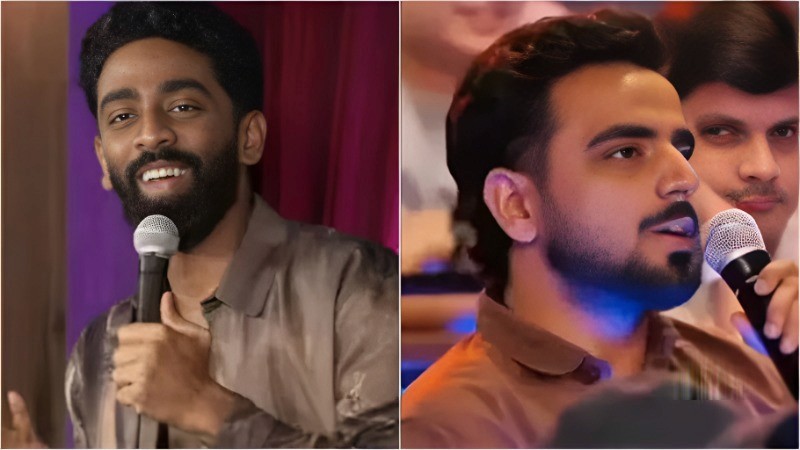
The controversy began during a stand-up comedy performance by comedian Pranit More.
During an audience interaction segment, a man shared a story about taking a woman on a date where he spent approximately ₹370 on a chicken biryani. The audience member then implied that because he had paid for the meal, he expected physical intimacy in return. The comment generated laughter in the venue, but once the clip reached social media, the reaction was dramatically different.
Millions of users viewed the video, and criticism emerged almost immediately.
Many social media users argued that the remark reflected a problematic mindset that treats relationships and consent as transactional. Others criticized the fact that the comment was treated as humor during the show. The viral nature of the clip turned ₹370 into a symbol of a much larger debate.
Why Did the Clip Go Viral?
1. The Shock Factor
One of the biggest reasons the clip spread so rapidly was the shock value.
Many viewers were surprised that someone would openly suggest that spending ₹370 on a date created an expectation of intimacy. In today's digital environment, controversial statements often spread quickly because they trigger strong emotional reactions.
People shared the clip not because they agreed with it but because they were surprised by it.
As more people reacted, the algorithm amplified the discussion even further.
2. The Debate About Consent
The biggest reason the trend exploded was that it sparked a conversation about consent.
Across social media, users emphasized a simple message:
Paying for a meal does not create entitlement to another person's time, attention, affection, or body.
Many influencers, creators, journalists, and everyday users used the viral moment to discuss healthy relationships and mutual respect. The debate quickly expanded beyond the original video and became a broader social conversation.
3. The Number Itself Became a Meme
Social media users have a unique ability to transform almost anything into a meme.
Soon after the controversy began, Instagram users started posting jokes such as:
"₹370 doesn't even cover my skincare products."
"₹370 is less than my weekly coffee budget."
"₹370 can't even pay for a shopping trip."
Thousands of reels and memes emerged using the number in humorous ways. The joke evolved from criticism into internet culture, making ₹370 recognizable even to people who had never seen the original clip.
4. Influencers Joined the Discussion
The controversy gained momentum when several well-known creators and influencers shared their opinions.
Content creators criticized the mindset reflected in the viral clip and discussed issues related to respect, dating expectations, and gender dynamics. Their involvement introduced the topic to millions of additional viewers and pushed the trend into mainstream conversation.
When large influencers discuss a topic, social media algorithms often amplify it further, resulting in even greater visibility.
5. Celebrity Reactions Increased Visibility
The discussion became even bigger after several public figures reacted.
Popular creators, entertainers, and online personalities shared commentary on the controversy. Their reactions generated millions of additional impressions and encouraged users to engage with the trend.
As more celebrities joined the conversation, the story evolved from a viral clip into a nationwide social media event.
6. The Apology and Fallout
As criticism intensified, comedian Pranit More issued a public apology regarding the incident.
However, the controversy continued to grow even after the apology. Reports suggested that the comedian later deactivated his Instagram account amid the ongoing backlash. This development generated another wave of social media discussion and news coverage.
In today's internet culture, attempts to address a controversy often create additional conversations, keeping the topic in public view for longer periods.
7. The Incident Had Real-World Consequences
One reason the trend remained in the spotlight is that it moved beyond social media.
Reports indicated that the audience member involved in the viral clip faced significant consequences after the video spread online. This transformed the story from a simple internet controversy into a broader discussion about accountability in the digital age.
People began debating questions such as:
Should viral comments affect someone's career?
How much accountability should exist for public statements?
Where should society draw the line between jokes and harmful attitudes?
These discussions helped sustain interest in the trend.
8. Even Mumbai Police Joined the Trend
One of the clearest signs that a topic has become truly viral is when government organizations begin referencing it.
Mumbai Police posted a message referencing the ₹370 controversy while promoting awareness around consent. The post quickly gained attention online and further amplified the discussion.
The involvement of a major public institution demonstrated just how widespread the conversation had become.
How Social Media Turned ₹370 Into a Cultural Reference
The internet often transforms numbers into cultural symbols.
Just as certain dates, phrases, and memes become instantly recognizable, ₹370 has now become shorthand for discussions about:
Dating expectations
Relationship boundaries
Consent
Respect
Social accountability
Internet culture
Many users who initially had no knowledge of the original clip encountered the trend through memes and reaction content. This helped the number gain a life of its own.
The Role of Meme Culture
Memes played a huge role in spreading the trend.
People began creating humorous content comparing ₹370 to everyday expenses such as:
Petrol costs
Food delivery bills
Beauty products
Coffee purchases
Shopping expenses
These posts often generated thousands of likes and shares because they combined humor with social commentary.
As a result, even people who had not seen the original controversy became familiar with the number.
What the Trend Reveals About Social Media
The ₹370 trend highlights several important aspects of modern social media:
Viral Content Travels Fast
A single comment made during a live event can reach millions of people within hours.
Social Media Shapes Public Conversations
Platforms are increasingly becoming spaces where people debate social issues and cultural attitudes.
Memes Can Amplify Serious Topics
While many users joked about ₹370, the underlying conversation remained focused on respect and consent.
Accountability Is Increasing
Public figures and ordinary individuals alike are discovering that viral moments can have significant consequences.
Conclusion
The reason ₹370 is trending on social media goes far beyond the actual amount of money.
What started as a viral comedy-show clip quickly evolved into a nationwide discussion about dating culture, consent, respect, and accountability. The number became a meme, a debate topic, and ultimately a cultural reference point that millions of people recognized.
The trend gained momentum because it combined controversy, humor, social commentary, influencer reactions, celebrity involvement, and real-world consequences - all the ingredients that fuel modern internet virality.
Whether people encountered the story through memes, news reports, influencer commentary, or online debates, one thing is certain: ₹370 has become one of the most unexpected and talked-about social media trends of 2026.
Share this article
2 min read


