In 2026, digital marketing has become more competitive, data-driven, and customer-focused than ever before. Businesses are no longer successful just by running ads or posting on social media. Customers interact with brands across multiple platforms before making a purchase decision.
This is where a full-funnel marketing strategy becomes essential. A full-funnel approach focuses on guiding potential customers through every stage of their journey - from awareness to conversion and even retention. Instead of targeting only one stage, businesses build a complete system that nurtures leads at every step.
In today’s fast-changing digital world, companies that fail to adopt a full-funnel strategy risk losing customers to more strategic competitors.
What Is a Full-Funnel Marketing Strategy?
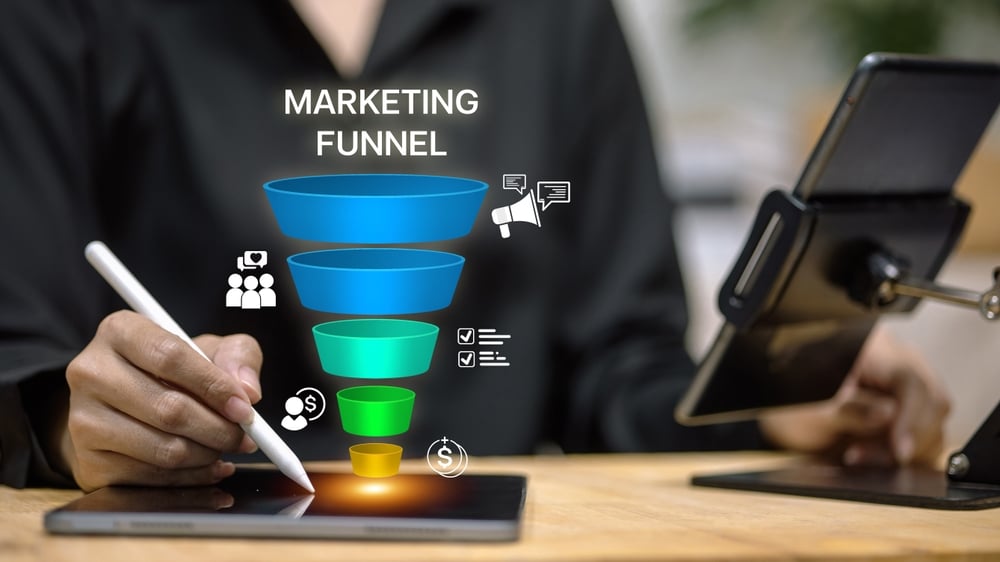
A full-funnel marketing strategy is a complete marketing approach that targets customers at all stages of the buying journey:
1. Awareness Stage (Top of Funnel - TOFU)
At this stage, customers are just discovering a brand or problem. The goal is to attract attention and build visibility.
2. Consideration Stage (Middle of Funnel - MOFU)
Here, customers are evaluating options and comparing solutions. The goal is to build trust and educate them.
3. Conversion Stage (Bottom of Funnel - BOFU)
At this stage, customers are ready to make a purchase decision. The goal is to convert leads into paying customers.
4. Retention Stage (Post-Purchase Funnel)
After the purchase, the focus shifts to customer satisfaction, loyalty, and repeat business.
A full-funnel strategy ensures that no stage is ignored.
Why Full-Funnel Marketing Is Important in 2026
1. Customers Have a Complex Buying Journey
Modern customers do not make quick decisions. They research online, read reviews, watch videos, and compare competitors before purchasing.
A full-funnel strategy ensures that your brand is present at every touchpoint, guiding customers smoothly from awareness to conversion.
2. Increased Competition in Every Industry
In 2026, almost every business is online. This has increased competition across all industries.
Simply running ads is no longer enough. Businesses need structured marketing systems that:
Attract new audiences
Educate potential customers
Build trust and authority
Convert leads effectively
A full-funnel strategy gives businesses a competitive advantage.
3. Better ROI from Marketing Spend
Many businesses waste money on marketing campaigns that only focus on one stage, usually the conversion stage.
Full-funnel marketing improves ROI by:
Nurturing leads over time
Reducing customer acquisition costs
Increasing conversion rates
Improving customer lifetime value
Instead of chasing quick sales, businesses build long-term profitability.
4. Builds Strong Brand Trust
Trust is one of the most important factors in purchasing decisions. Customers are more likely to buy from brands they recognize and trust.
A full-funnel strategy builds trust by:
Sharing educational content
Providing value before selling
Engaging customers consistently
Showing real case studies and reviews
This makes the brand more reliable in the customer’s mind.
Key Components of a Full-Funnel Strategy
Awareness Stage Strategy
At the top of the funnel, businesses focus on visibility.
Common strategies include:
SEO-optimized blog content
Social media marketing
Influencer collaborations
Video marketing (YouTube, Reels, Shorts)
Paid awareness ads
The goal is to attract as many relevant users as possible.
Consideration Stage Strategy
In this stage, customers are evaluating options.
Businesses should focus on:
Detailed blog content
Email marketing campaigns
Webinars and guides
Case studies
Comparison content
This helps build authority and trust.
Conversion Stage Strategy
This is where leads become customers.
Effective strategies include:
Retargeting ads
Landing page optimization
Special offers and discounts
Testimonials and reviews
Clear CTAs (Call to Action)
The goal is to reduce hesitation and increase conversions.
Retention Stage Strategy
Retaining customers is just as important as acquiring them.
Retention strategies include:
Loyalty programs
Personalized email marketing
Customer support engagement
Exclusive offers for existing customers
Feedback and improvement systems
Happy customers often become repeat buyers and brand advocates.
Benefits of Full-Funnel Marketing
1. Higher Conversion Rates
When customers are nurtured at every stage, they are more likely to convert.
2. Improved Customer Loyalty
A structured journey builds stronger relationships with customers.
3. Better Brand Recognition
Consistent visibility across platforms increases brand awareness.
4. Sustainable Business Growth
Instead of short-term results, businesses achieve long-term stability.
Common Mistakes Businesses Make
Many businesses fail because they:
Focus only on ads without content strategy
Ignore customer education
Target only cold audiences
Do not follow up with leads
Lack retention strategies
Avoiding these mistakes is essential for success.
How Agencies Like Smarkupp Studios Help
Full-funnel marketing requires expertise in SEO, paid ads, content creation, branding, and analytics.
Digital agencies like Smarkupp Studios help businesses:
Build complete funnel strategies
Run performance marketing campaigns
Optimize conversion rates
Create content for every stage
Track and improve ROI
This makes marketing more structured and result-driven.
Conclusion
In 2026, businesses cannot rely on single-channel or single-stage marketing strategies. Customers expect personalized experiences, valuable content, and consistent engagement before making decisions.
A full-funnel marketing strategy ensures that businesses attract, nurture, convert, and retain customers effectively. It improves ROI, builds trust, and creates long-term success.
Companies that adopt full-funnel marketing today will stay ahead of their competition tomorrow.
Share this article
2 min read


