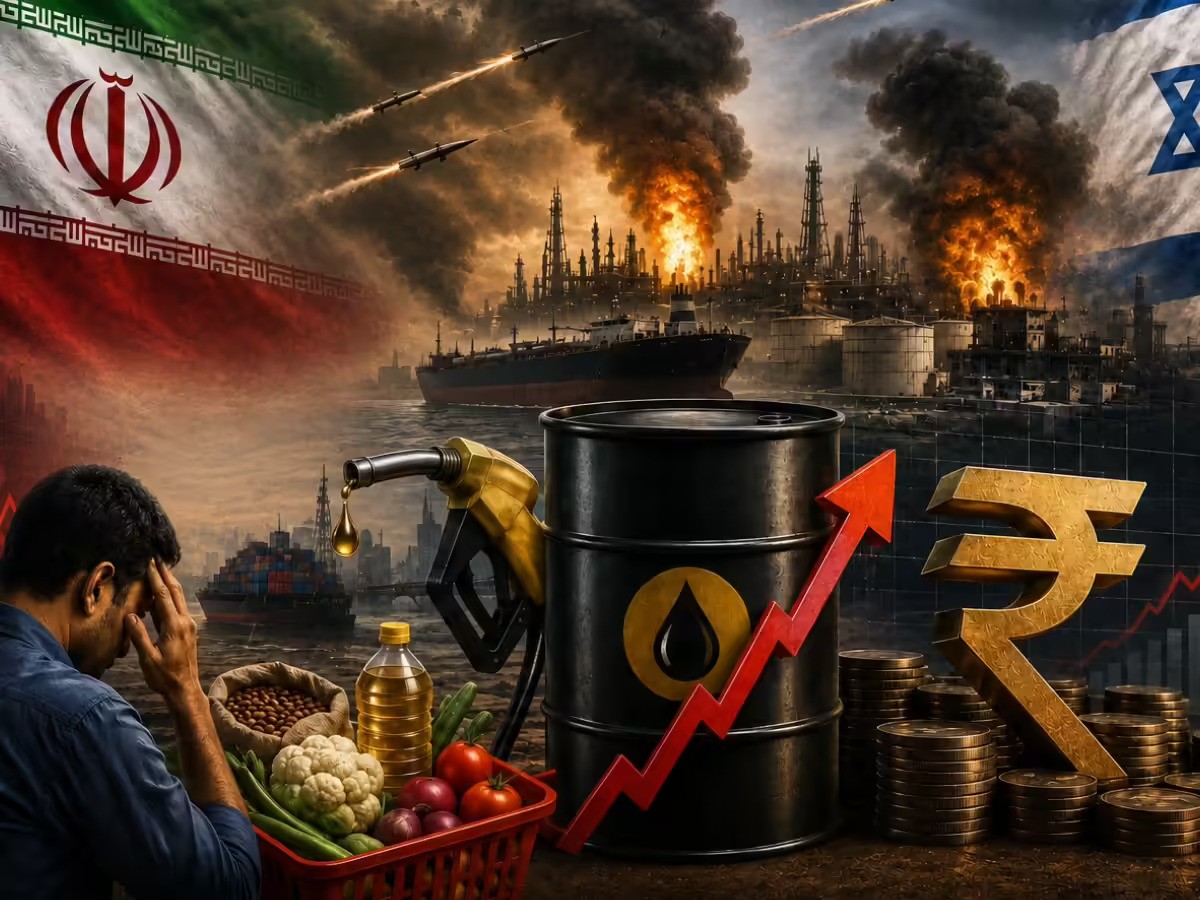
In the age of instant information, global events can become social media trends within minutes. One of the latest topics gaining widespread attention across platforms such as X (formerly Twitter), Facebook, Instagram, LinkedIn, and YouTube is the World Bank’s warning issued after the first 100 days of an ongoing conflict. Headlines quoting the statement, “The real crisis is now becoming visible…”, have sparked intense discussions among economists, policymakers, investors, and everyday citizens.
The warning has generated significant interest because it highlights concerns that extend far beyond the battlefield. While wars often dominate headlines due to military developments, the World Bank’s message focuses on the long-term economic and humanitarian consequences that emerge as conflicts continue. As a result, the topic has become a major trend on social media, with users debating its implications for global growth, inflation, trade, food security, and financial stability.
Why Is This Topic Trending?
Several factors have contributed to the growing online conversation surrounding the World Bank’s warning.
1. The Symbolic Significance of 100 Days
The 100-day mark in any major conflict is often viewed as an important milestone. It provides governments, international organizations, and analysts an opportunity to assess the war’s impact and future trajectory.
When the World Bank issued its warning around this milestone, many people interpreted it as a signal that the consequences of the conflict are becoming more severe and more visible than they were in the early stages.
On social media, users began sharing articles, expert opinions, and economic analyses discussing what the next phase of the crisis might look like.
2. Concerns About the Global Economy
The World Bank is one of the most influential international financial institutions. When it raises concerns about economic risks, markets and policymakers pay attention.
Many social media discussions focus on how prolonged conflicts affect:
Global economic growth
International trade
Supply chains
Energy markets
Food prices
Inflation rates
Investment confidence
As people continue to deal with rising living costs in many countries, warnings about additional economic pressures naturally attract significant public attention.
Understanding the World Bank’s Concerns
The phrase “the real crisis is now becoming visible” reflects the idea that the most damaging consequences of war often emerge gradually rather than immediately.
Economic Slowdown
One of the biggest concerns is slower economic growth.
When conflicts continue for extended periods:
Business investments decline
Consumer confidence weakens
Government spending shifts toward emergency needs
International trade becomes more difficult
These factors can reduce growth not only in the countries directly involved but also in neighboring regions and global markets.
Supply Chain Disruptions
Modern economies depend heavily on interconnected supply chains.
A prolonged conflict can disrupt:
Manufacturing operations
Shipping routes
Transportation networks
Raw material supplies
Social media users have been discussing how disruptions in one region can affect industries across the world, leading to higher prices and production delays.
Energy Market Volatility
Energy remains one of the most discussed aspects of any major geopolitical conflict.
When wars impact energy-producing regions or transportation routes, the consequences may include:
Higher fuel prices
Increased electricity costs
Greater inflationary pressure
Economic uncertainty
Many analysts sharing content online point out that energy shocks often have a ripple effect across multiple industries.
Rising Food Security Concerns
Another major reason this story has gained traction is its connection to food security.
The World Bank and other international organizations have repeatedly warned that prolonged conflicts can affect agricultural production and food distribution.
Potential consequences include:
Reduced crop exports
Higher food prices
Increased hunger in vulnerable regions
Pressure on humanitarian aid programs
Social media users are particularly concerned because food inflation directly affects households and can quickly become a political and social issue.
Humanitarian Challenges Are Growing
While economic impacts often dominate headlines, the humanitarian consequences are equally important.
Extended conflicts frequently result in:
Population displacement
Refugee crises
Damage to healthcare systems
Educational disruptions
Increased poverty
Many nonprofit organizations and humanitarian groups have amplified the World Bank’s warning online, emphasizing the human cost of prolonged instability.
This has helped the topic gain additional visibility across social media platforms.
Investors and Financial Markets Are Paying Attention
Another reason the warning is trending is its relevance to investors.
Financial markets closely monitor statements from major institutions such as the World Bank because they can influence:
Market sentiment
Investment decisions
Currency movements
Commodity prices
Following the release of reports and commentary related to the conflict, many financial influencers and economic analysts shared their perspectives online.
This generated thousands of discussions among traders, investors, and business professionals.
The Role of Social Media in Amplifying Economic News
In previous decades, reports from international organizations primarily reached policymakers and economists.
Today, social media has changed how information spreads.
A single headline can quickly become a global conversation.
Several factors have amplified this particular story:
Viral Headlines
The phrase “the real crisis is now becoming visible” is powerful and emotionally engaging.
People are naturally curious about what this “real crisis” refers to, leading to clicks, shares, and discussions.
Influencer Commentary
Economic experts, journalists, and political commentators have been sharing their interpretations of the warning.
Their large audiences help push the topic into trending categories.
Public Anxiety About Inflation
Many countries are already facing concerns about:
Rising living costs
Housing affordability
Food inflation
Economic uncertainty
Any news suggesting additional economic pressure tends to gain significant attention.
Political Reactions Fuel the Trend
Political leaders and commentators have also weighed in on the World Bank’s assessment.
Supporters and critics of various government policies have used the report to strengthen their arguments regarding:
Foreign policy
Economic strategy
Military spending
International cooperation
As political debates intensified online, engagement around the story increased further.
What Experts Are Saying
Economic experts generally agree on one point: the longer a conflict continues, the greater the risk of long-term economic damage.
Many analysts highlight several key concerns:
Rising Debt Levels
Governments often increase spending during crises, which can lead to higher public debt.
Reduced Business Confidence
Businesses may delay investments when uncertainty remains high.
Global Trade Risks
Trade disruptions can affect industries worldwide.
Long-Term Recovery Challenges
Even after conflicts end, rebuilding economies and infrastructure can take years.
These expert insights have been widely shared across social media, contributing to the trend.
Why People Around the World Care
The reason this story resonates globally is that its effects may not be limited to one region.
People understand that modern economies are interconnected.
A conflict occurring thousands of miles away can still influence:
Fuel prices
Food costs
Stock markets
Employment opportunities
Consumer spending
This interconnected reality makes international economic warnings relevant to audiences everywhere.
The Bigger Picture
The World Bank’s warning serves as a reminder that wars have consequences that extend beyond military operations.
The initial stages of a conflict often focus on immediate developments, but the long-term impacts can be far more significant.
As conflicts continue, the effects become visible through:
Economic slowdowns
Inflation pressures
Humanitarian crises
Trade disruptions
Reduced global growth
This broader perspective explains why the statement has generated such strong reactions online.
Conclusion
The World Bank’s warning after 100 days of war has become a major social media trend because it highlights concerns that affect people far beyond the conflict zone. The phrase “The real crisis is now becoming visible” captures growing fears about economic instability, rising costs, disrupted supply chains, food security challenges, and humanitarian suffering.
Social media users, economists, investors, and policymakers are discussing the warning because it emphasizes a critical reality: the most serious consequences of prolonged conflicts often emerge gradually over time. As the situation continues to evolve, global attention is likely to remain focused on how governments, international organizations, and communities respond to the challenges ahead.
The widespread online discussion reflects a growing awareness that in today’s interconnected world, the impact of a major conflict can be felt across economies, industries, and households around the globe.
Share this article
2 min read


