Trending
Breaking Point: Dharmendra Pradhan Resigns Amid Rising Youth Rage, CJI Remarks, and Social Media Storm
News
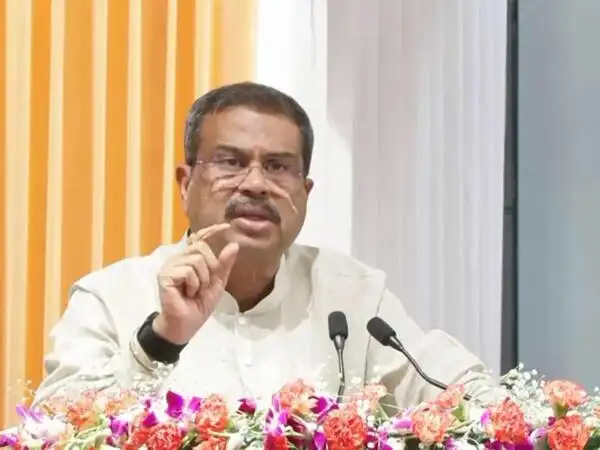
In a massive political development that has sent shockwaves across the nation, Union Education Minister Dharmendra Pradhan tendered his resignation to Prime Minister Narendra Modi.
The decision follows weeks of mounting political pressure, intense courtroom scrutiny led by the Chief Justice of India (CJI), and unprecedented nationwide protests spearheaded by youth-led movements like the Cockroach Janata Party (CJP) and various student organizations.
From the historic grounds of Jantar Mantar to the trending lists on X (formerly Twitter), the message was clear: systemic paper leaks, institutional non-accountability, and the endangered futures of millions of students could no longer be brushed aside.
The Spark: A Crisis of Exam Integrity and Youth Frustration
The seeds of this political crisis were sown over months of repeated paper leaks and administrative lapses in national entrance examinations like NEET and NET. What initially began as isolated regional grievances quickly swelled into a unified national outcry as millions of aspirants found their hard work compromised by examination mafias and institutional negligence.
The turning point arrived when youth movements - most notably the CJP, an organic student-led movement born out of viral social media activism - began mobilizing thousands of young people at Jantar Mantar in New Delhi.
"My resolve was that we would not let any meritorious student's prospects be ruined by the examination mafia, nor allow injustice to happen to any student," Pradhan wrote in a letter posted to social media following his departure, stating that he stepped down to ensure national unity and allow students to focus on their careers.
Key Milestones Leading to the Exit
To understand how a Cabinet Minister was pushed to resign under public pressure, we have to look at the chain of events that escalated from online activism to a full-blown national movement.
Widespread reports of examination paper leaks trigger viral social media campaigns. Online youth groups rally around demands for systemic reform and leadership accountability.
Sharp observations from the Supreme Court, led by CJI Surya Kant, put national exam integrity in the spotlight, reinforcing student demands for institutional accountability in government.
Thousands of students gather in New Delhi despite transport restrictions and heat. Protests intensify following high-profile hunger strikes and solidarity movements across states.
Opposition MPs disrupt Lok Sabha sessions with chants of "Istifa, Istifa" (Resign!), demanding the minister's immediate removal as government-student talks reach an impasse.
Dharmendra Pradhan officially submits his resignation to PM Modi, citing a desire to prevent legal complexities for students and maintain national unity.
The Judicial Catalyst: Courtroom Pressure
While student protests provided the physical momentum on the streets, critical observations by the judiciary added moral and legal weight to the movement. Comments made by Chief Justice of India (CJI) Surya Kant regarding the sacred nature of competitive exams and the vulnerability of young aspirants deeply resonated with the public.
The Supreme Court’s relentless questioning of how paper leaks were allowed to recur without high-level accountability left the Ministry of Education with very little room to maneuver. When the highest court in the land shines a spotlight on administrative vulnerabilities, political deflection becomes nearly impossible.
Social Media as the Great Equalizer
What made this movement fundamentally different from past student demonstrations was its viral digital backbone.
Hashtag Campaigns: Within hours, terms like
#ResignDharmendraPradhan,#NEETPaperLeak, and#StudentsDemandJusticeracked up millions of impressions across X, Instagram, and YouTube.Real-time Mobilization: Live streams from Jantar Mantar allowed students in distant towns to stay plugged in, coordinate localized rallies in their own districts, and hold media outlets accountable.
Memes & Youth Culture: Visual humor, short-form reels, and sharp political commentary converted complex policy failures into easily digestible content, keeping the momentum alive for weeks.
Social media democratized the movement, transforming what could have been a localized Delhi protest into a digital revolution felt nationwide.
What Lies Ahead for Education Reforms?
Dharmendra Pradhan’s resignation is an undeniable victory for youth activism, but it also opens up a massive responsibility for the government moving forward. Removing a head of department is merely the first step; the core structural flaws remain.
Focus Area | Immediate Requirement | Long-Term Goal |
|---|---|---|
NTA Overhaul | Complete audit of testing security & third-party vendors | Independent oversight body with strict legislative accountability |
Student Grievance | Fast-track resolution system for exam disputes | Transparent re-examination protocols for affected candidates |
Legal Protections | Withdrawal of FIRs against peaceful student protesters | Tougher penalties against commercial paper-leak syndicates |
Final Thoughts: A Blueprint for Youth Power
The resignation of Union Education Minister Dharmendra Pradhan marks a watershed moment in contemporary Indian politics. It serves as a stark reminder that when young people unite - backed by digital coordination, peaceful ground protests, and judicial scrutiny - the establishment is forced to listen.
As the Centre prepares to appoint a new minister to lead the portfolio, all eyes remain on the government to see if this political exit translates into genuine, lasting education reform.