Trending
FIFA’s 30-Minute Halftime at the World Cup Final: Why It’s Trending Across Social Media
News
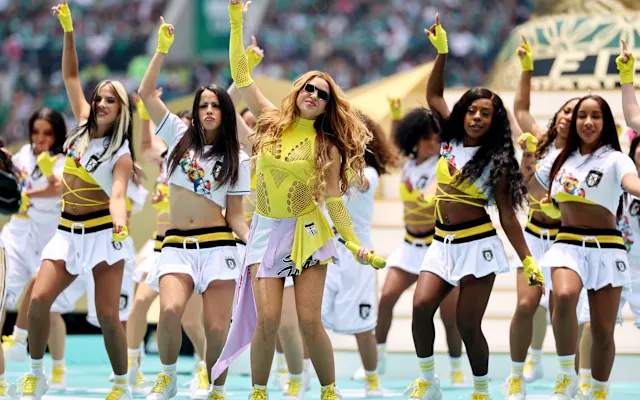
Football fans around the world are discussing one of the biggest changes in FIFA World Cup history - a potential 30-minute halftime break during the 2026 FIFA World Cup Final. The topic has exploded across social media platforms like X (formerly Twitter), Instagram, Facebook, Reddit, and YouTube, with millions of fans debating whether FIFA is enhancing the spectacle or moving away from football's traditions.
The discussion began after reports revealed that FIFA plans to stage its first-ever Super Bowl-style halftime show during the World Cup final. While the actual musical performance is expected to last around 11 minutes, the additional time needed to build and remove the stage could extend the traditional 15-minute halftime interval to approximately 25–30 minutes. FIFA has officially announced the first-ever World Cup final halftime show, but it has not definitively confirmed a full 30-minute halftime duration, even though broadcasters and multiple reports expect a longer interval.
So why is this creating such a huge debate? Let's explore.
What Is Changing?
Traditionally, football matches - including the FIFA World Cup Final - have a 15-minute halftime break.
During this period:
Players rest and receive tactical instructions.
Medical staff provide treatment if required.
Teams prepare for the second half.
Television broadcasters analyze the first half.
The Laws of the Game have long specified a 15-minute halftime interval for standard matches. The new World Cup final plan is expected to go beyond that tradition to accommodate a major entertainment show.
Why Is FIFA Planning a Longer Halftime?
The main reason is entertainment.
For the first time in FIFA World Cup history, the governing body is introducing a Super Bowl-style halftime show designed to make the final an even bigger global entertainment event.
The show is being produced with Global Citizen and curated by Chris Martin of Coldplay. FIFA says the event will also support the FIFA Global Citizen Education Fund.
The performance itself is expected to last around 11 minutes, but stage construction and removal inside the stadium could extend the overall halftime interval close to 30 minutes.
Why Is It Trending on Social Media?
The announcement quickly became one of the biggest sports discussions online.
Several factors explain why:
1. Breaking a Long-Standing Football Tradition
Football has always been different from American sports because of its uninterrupted flow.
Many supporters believe extending halftime changes the rhythm of the game and could affect players' performance.
Fans have described the move as a departure from football's traditional identity.
2. Comparisons With the Super Bowl
Many people immediately compared FIFA's plan with the NFL's Super Bowl.
The Super Bowl halftime show is one of the world's biggest entertainment events and regularly attracts hundreds of millions of viewers.
FIFA appears to be adopting a similar model to expand the World Cup's entertainment appeal, particularly in the United States, one of the tournament's host nations.
3. Concerns About Player Performance
Sports scientists and former players have raised questions about whether a significantly longer break could affect:
Muscle temperature
Match rhythm
Player concentration
Risk of injury
Second-half intensity
Some fans argue that players may need an additional warm-up before returning to action after a longer interval.
4. Commercialization of Football
Another major reason the topic is trending is the perception that football is becoming increasingly commercial.
Many fans believe:
Entertainment is overshadowing the sport.
Television rights are influencing decisions.
Sponsors receive more visibility.
Revenue generation is becoming the priority.
These opinions have fueled widespread debate online.
Who Is Expected to Perform?
FIFA has announced a star-studded halftime show featuring globally recognized artists, with the event curated by Chris Martin.
Reports mention performers such as:
Shakira
Madonna
BTS
Justin Bieber
Burna Boy
The show is expected to become one of the most-watched musical performances in sports history.
Positive Reactions
Not everyone opposes the change.
Supporters believe the longer halftime could:
Create a memorable entertainment experience.
Attract younger audiences.
Increase global television viewership.
Blend music and football on the biggest sporting stage.
Generate additional funding for charitable initiatives linked to the event.
Many casual viewers welcome the idea of adding a world-class concert to the biggest football match on the planet.
Criticism From Football Fans
A significant number of traditional football supporters have expressed concerns.
Common criticisms include:
Football should remain focused on the match.
A longer halftime may disrupt momentum.
It moves closer to American sports entertainment.
The break could affect player readiness.
The game's traditions should be preserved.
Across social media, many fans suggested that a concert should take place before the match or after the trophy presentation rather than during halftime.
Could This Become the New Normal?
That remains uncertain.
If the halftime show is viewed as successful by fans, broadcasters, sponsors, and FIFA, it could influence future international tournaments.
However, widespread criticism may encourage FIFA to limit such entertainment to special occasions or modify the format in future editions.
Impact on Broadcasters
Broadcasters also face new challenges.
A longer halftime means they must balance:
Match analysis
Commercial advertising
Halftime entertainment
Player updates
Studio discussions
Reports indicate major broadcasters are planning coverage that includes both football analysis and the halftime performance.
What Does This Mean for the Future of Football?
Football continues to evolve.
Recent changes already include:
VAR (Video Assistant Referee)
Semi-automated offside technology
Goal-line technology
Expanded FIFA World Cup format
Additional stoppage time
The halftime show represents another attempt to modernize the viewing experience while appealing to a broader global audience.
Whether fans embrace this innovation or reject it will likely influence FIFA's future decisions.
Final Thoughts
The discussion surrounding FIFA's proposed extended halftime has become one of the biggest talking points ahead of the 2026 World Cup Final. At the center of the debate is a balance between tradition and innovation.
Supporters see the halftime show as an opportunity to create a once-in-a-generation global entertainment spectacle, while critics believe football's greatest match should remain focused on the sport itself.
Regardless of which side fans support, the controversy has generated enormous engagement across social media, making it one of the most talked-about football stories of the year. As the final approaches, all eyes will be on FIFA to see exactly how the halftime show is executed - and whether it becomes a permanent part of football's biggest stage.