Trending
Iran Sought War Damages From US. Trump Flips the Table, Sends His Own Bill to Tehran - And Why It Is Trending on Social Media
News
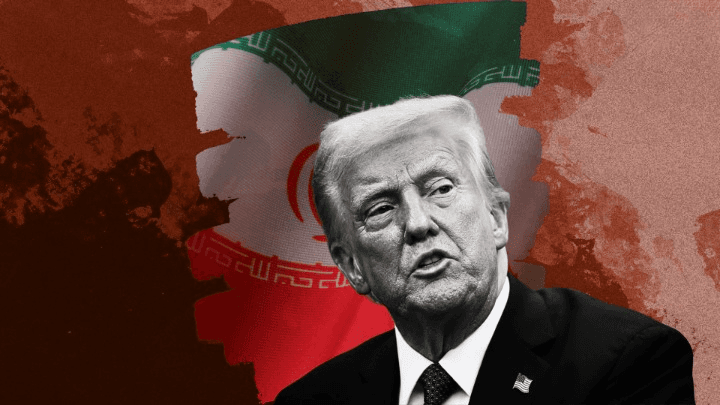
A new escalation in the long-running confrontation between the United States and Iran has captured widespread attention online after Iran sought compensation for damage caused during the recent conflict, only for U.S. President Donald Trump to respond by demanding compensation from Tehran for people he says were killed or seriously wounded by Iranian actions.
The dramatic exchange has quickly become a major talking point on social media because it turns a diplomatic dispute over war damages into a highly personal political confrontation. Rather than accepting Iran's demand, Trump effectively reversed the argument and said that the United States would put its own compensation demands into future negotiations.
What Happened Between Iran and the US?
According to recent reporting, Iran has demanded compensation from the United States and Israel for damage caused during months of military conflict. Tehran has linked its demands to broader negotiations involving the reopening of the strategically important Strait of Hormuz.
The Strait of Hormuz is one of the world's most important energy chokepoints. Any prolonged disruption there can have consequences far beyond the Middle East because of its importance to global oil and shipping markets.
Reuters reported on August 9 that Iran's position included demands connected to sanctions, military action and compensation for damage caused during the conflict. The issue emerged as negotiations over arrangements for shipping through the Strait of Hormuz remained difficult.
Trump's response came quickly.
On August 10, Trump said on Truth Social that because Iran was seeking compensation, he would also demand compensation from Iran for people he says were killed or gravely wounded by Iranian actions. He said his representatives would include the demand in future negotiations.
That is the central reason behind the viral phrase that Trump has "sent his own bill" to Tehran.
Why Trump's Response Is Getting So Much Attention
The controversy is not simply about money. It is about the way the two sides are framing responsibility for the conflict.
Iran argues that it suffered enormous physical and economic damage from U.S. and Israeli military operations and therefore believes it has grounds to seek compensation.
Trump has effectively answered: if compensation is going to be part of the negotiations, then the United States has claims of its own.
That rhetorical reversal is highly compatible with social media because it can be reduced to a simple narrative: Iran asked for damages, and Trump responded by asking Iran to pay damages instead.
The phrase "flips the table" captures the political theatre of the exchange, although the underlying dispute is much more complicated than a social-media headline suggests.
Trump's Wider Compensation Argument
Trump's comments went beyond the immediate conflict.
Reuters reported that Trump referred to Americans who had been killed or seriously wounded in incidents he attributes to Iran, including roadside bomb attacks and other conflicts. He also mentioned the 2000 bombing of the USS Cole.
That reference has itself generated debate because the USS Cole attack was attributed by U.S. authorities to al-Qaeda rather than the Iranian government.
This distinction is important when discussing the story. Trump's statement represents a political demand and his framing of responsibility; it should not automatically be treated as an established legal finding that Iran is liable for every incident he referenced.
The Strait of Hormuz Makes the Situation More Important
The compensation dispute is taking place against a much larger geopolitical background.
The Strait of Hormuz connects the Persian Gulf with the Gulf of Oman and is critical to international energy transportation. Iran has been using the reopening of the waterway as leverage in negotiations.
Recent reporting indicates that Tehran has demanded measures including an end to military pressure, sanctions relief, and compensation for damage before agreeing to arrangements for reopening the waterway.
This means the compensation argument cannot be separated from energy security.
Markets are closely watching developments because any prolonged disruption around the Strait can affect oil prices, shipping costs, insurance premiums and inflation.
Recent reporting said oil prices rose as uncertainty surrounding the negotiations increased.
Why Is This Trending on Social Media?
There are several reasons the story has gained traction.
1. A Dramatic Political Reversal
The headline itself is designed for social-media consumption.
Iran's demand for compensation followed by Trump's counter-demand creates an easily understood narrative of political one-upmanship.
Social media users tend to engage strongly with stories that can be summarised in a single sentence, particularly when they involve high-profile political leaders.
2. Trump Is a Major Social Media Figure
Trump's direct use of social media to communicate political positions gives his statements an immediate audience.
Instead of waiting for a formal diplomatic statement or lengthy press conference, users can see the president's position directly through his social-media posts.
That encourages rapid reposting, commentary, criticism and political debate.
3. The Story Has a Strong "Who Pays?" Question
War reparations are an emotionally and politically sensitive subject.
The moment one government demands compensation from another, people naturally begin asking:
Who is responsible for the damage?
Who should pay?
How would compensation be calculated?
Can such claims actually be enforced?
Those questions make the story particularly suitable for online discussion.
4. It Connects to Global Economic Concerns
This is not only a diplomatic story.
The Strait of Hormuz affects international energy markets, meaning developments between Washington and Tehran can potentially influence consumers and businesses far beyond the region.
Recent market reporting has highlighted oil-price sensitivity to the confrontation.
For social-media audiences, this creates another reason to follow the story: the consequences could eventually affect fuel prices, transportation costs and the wider global economy.
A Bigger Diplomatic Problem
The compensation dispute is only one part of a much wider disagreement.
Washington and Tehran continue to face unresolved questions involving sanctions, military activity, nuclear issues, regional armed groups and the future of the Strait of Hormuz.
Earlier negotiations had already produced disagreement over the terms and benefits of a potential settlement. The June agreement was described by analysts as a memorandum of understanding rather than a comprehensive resolution of all major disputes.
Consequently, Trump's latest compensation demand could make an already complicated negotiating environment even more difficult.
Is This a New "War Bill"?
Not literally.
The phrase "Trump sends his own bill to Tehran" is best understood as a colourful description of his counter-demand for compensation.
There is no indication in the reporting that Trump has issued Iran a conventional financial invoice with a settled amount that Tehran is legally required to pay.
Instead, he has instructed U.S. representatives to raise compensation demands in future negotiations.
That distinction matters because political rhetoric, diplomatic demands and enforceable legal claims are three different things.
What Happens Next?
The immediate question is whether compensation becomes a serious negotiating issue or remains primarily a political pressure tactic.
If both sides insist that the other owes reparations, negotiations could become even more complicated. If compensation is eventually incorporated into a broader agreement, it could become one component of a much larger settlement involving sanctions, security guarantees, shipping access and reconstruction.
For now, however, the exchange demonstrates how quickly diplomatic negotiations can turn into a public contest over narratives.
Conclusion
The reason the Iran-U.S. compensation dispute is trending is simple: it combines geopolitics, money, war, social media and two sharply opposing political narratives.
Iran sought compensation for damage it says was caused by U.S. and Israeli military action. Trump responded by saying Iran should compensate people he attributes deaths and serious injuries to Iranian actions.
The "bill" is therefore political rather than a literal invoice. But the underlying issue is serious.
With the Strait of Hormuz still central to negotiations and global markets watching developments closely, the compensation dispute could become another obstacle - or potentially another bargaining chip - in the difficult effort to stabilise relations between Washington and Tehran.
For now, the viral headline captures the drama, but the real story is much larger: who accepts responsibility for the conflict, who pays for its consequences, and whether either side is willing to compromise enough to reach a lasting agreement.