Trending
Several Dead in Japan After Magnitude 7.1 Earthquake Causes Mall Blast: Why It Is Trending on Social Media
News
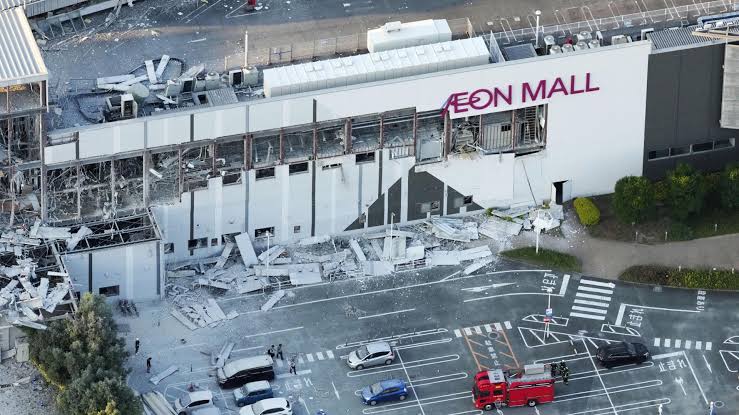
Natural disasters often capture global attention because of their sudden impact, human consequences, and the powerful images that emerge during emergency situations. A recent magnitude 7.1 earthquake in Japan has become one of the most discussed topics online after reports of casualties, structural damage, and a blast at a shopping mall created widespread concern.
The combination of a powerful earthquake, emergency rescue operations, and dramatic videos shared across social media platforms has caused the incident to trend worldwide. Millions of people are searching for updates, watching footage, and expressing support for those affected.
This event highlights not only the destructive power of earthquakes but also the role social media plays in spreading information during major crises.
Japan Earthquake: What Happened?
Japan experienced a powerful magnitude 7.1 earthquake that caused significant disruption in affected areas. The earthquake triggered strong shaking, leading to damage to buildings, infrastructure problems, and emergency responses from local authorities.
Japan is one of the world's most earthquake-prone countries because it sits along the Pacific Ring of Fire, an area known for frequent seismic activity. The country has developed some of the world's most advanced earthquake-resistant construction techniques, strict building regulations, and emergency preparedness systems.
However, even with advanced safety measures, powerful earthquakes can still create serious challenges, especially when they affect crowded urban areas.
Reports indicated that the earthquake was followed by a major incident involving a mall where a blast occurred, adding another layer of urgency to rescue and recovery operations.
Why Did the Mall Blast Increase Public Concern?
The reported mall explosion following the earthquake quickly attracted attention because it created uncertainty about what caused the incident and how many people were affected.
During earthquakes, several factors can contribute to secondary accidents, including:
Gas pipeline damage
Electrical failures
Building infrastructure problems
Fires caused by damaged equipment
Structural collapses
When a disaster is followed by another dangerous event, emergency teams must respond to multiple threats simultaneously.
The mall incident became a major focus because shopping centers often contain large numbers of people, making rescue efforts more complicated. Authorities typically prioritize searching for trapped individuals, providing medical assistance, and ensuring the safety of surrounding areas.
Why Is the Japan Earthquake Trending on Social Media?
The earthquake has become a major trending topic across social media platforms for several reasons.
1. Dramatic Videos and Images
One of the biggest reasons for the online attention is the rapid sharing of videos showing the impact of the earthquake.
Social media users have shared:
Shaking buildings
Emergency response scenes
Damaged structures
Rescue operations
Public reactions
Visual content spreads quickly because people can immediately understand the scale of an event through images and videos.
2. Global Interest in Japan
Japan has a large international audience due to its culture, economy, technology, and tourism popularity. Many people around the world have personal connections with the country through travel, work, education, or family relationships.
Whenever a major disaster occurs in Japan, global attention increases because people want to know whether communities, landmarks, and loved ones are safe.
3. Concerns About Earthquake Safety
Japan's history of major earthquakes has made seismic events a topic of international interest.
People online often discuss:
Earthquake preparedness
Building safety standards
Emergency response systems
Lessons other countries can learn
The event has renewed conversations about how communities can better prepare for natural disasters.
4. Real-Time Updates Through Social Media
Social media platforms have transformed how people receive disaster updates.
During emergencies, platforms such as X (formerly Twitter), Facebook, Instagram, and TikTok allow users to:
Share eyewitness information
Post safety updates
Request assistance
Follow emergency announcements
However, rapid information sharing also creates challenges because misinformation can spread alongside genuine updates. Users are encouraged to rely on official government sources and verified news organizations for accurate information.
Japan's Earthquake Preparedness System
Japan is considered one of the world's leaders in earthquake preparedness. The country has invested heavily in disaster prevention through:
Earthquake-Resistant Buildings
Many Japanese buildings are designed with advanced engineering techniques that allow structures to absorb earthquake movement and reduce collapse risks.
Early Warning Systems
Japan operates earthquake warning systems that can provide alerts seconds before strong shaking reaches certain areas. These warnings allow people to take protective action, such as moving away from dangerous areas.
Public Awareness Programs
Residents regularly participate in earthquake drills and learn emergency procedures from a young age.
These measures help reduce risks, although extremely powerful earthquakes can still cause serious damage.
The Human Impact of the Disaster
Behind the trending headlines are communities dealing with fear, uncertainty, and loss.
Earthquakes can affect people in many ways:
Families may lose homes
Businesses may face closures
Infrastructure may require repairs
Emergency workers face dangerous conditions
Communities experience emotional stress
Recovery after a major earthquake often takes months or even years. Rebuilding requires cooperation between government agencies, rescue organizations, businesses, and local residents.
How Social Media Shapes Disaster Awareness
The Japan earthquake demonstrates how social media has changed the way the world responds to emergencies.
Positive impacts include:
Faster awareness of developing situations
Increased international support
Easier communication during emergencies
Greater visibility for rescue efforts
Challenges include:
False information spreading quickly
Unverified videos being shared
Panic caused by inaccurate reports
Responsible sharing is important during disasters. Checking sources before reposting information helps prevent confusion and supports effective emergency response.
Lessons Businesses and Communities Can Learn
Major disasters also highlight the importance of preparation for businesses and organizations.
Companies can improve disaster readiness by:
Creating emergency response plans
Training employees
Protecting important data
Establishing communication systems
Reviewing building safety measures
Prepared organizations can recover faster and better support employees and customers during difficult situations.
Conclusion
The magnitude 7.1 earthquake in Japan has become a global trending topic because of its devastating impact, reported mall blast, casualties, and the powerful images circulating online. While the immediate focus remains on rescue efforts and supporting affected communities, the event also reminds the world about the importance of disaster preparedness.
Social media has played a major role in spreading awareness, connecting people, and sharing updates in real time. However, it also highlights the need for responsible information sharing during emergencies.
Japan's experience shows that even countries with advanced earthquake preparation systems can face significant challenges when powerful natural disasters occur. The priority now remains supporting victims, assisting recovery efforts, and learning valuable lessons that can help communities become more resilient in the future.