Trending
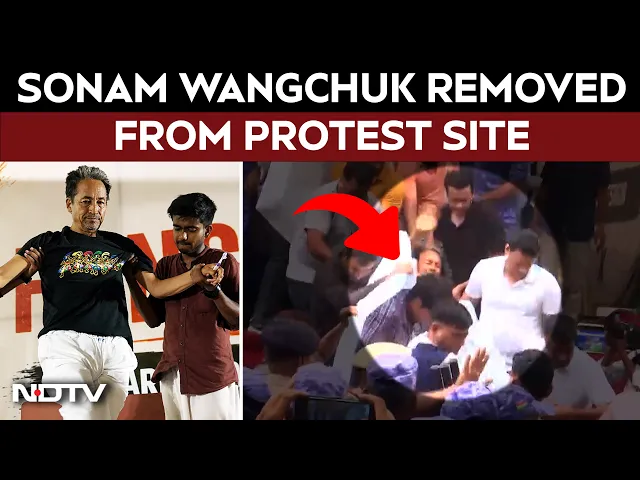
Sonam Wangchuk Removed from Jantar Mantar is trending on Social Media
News
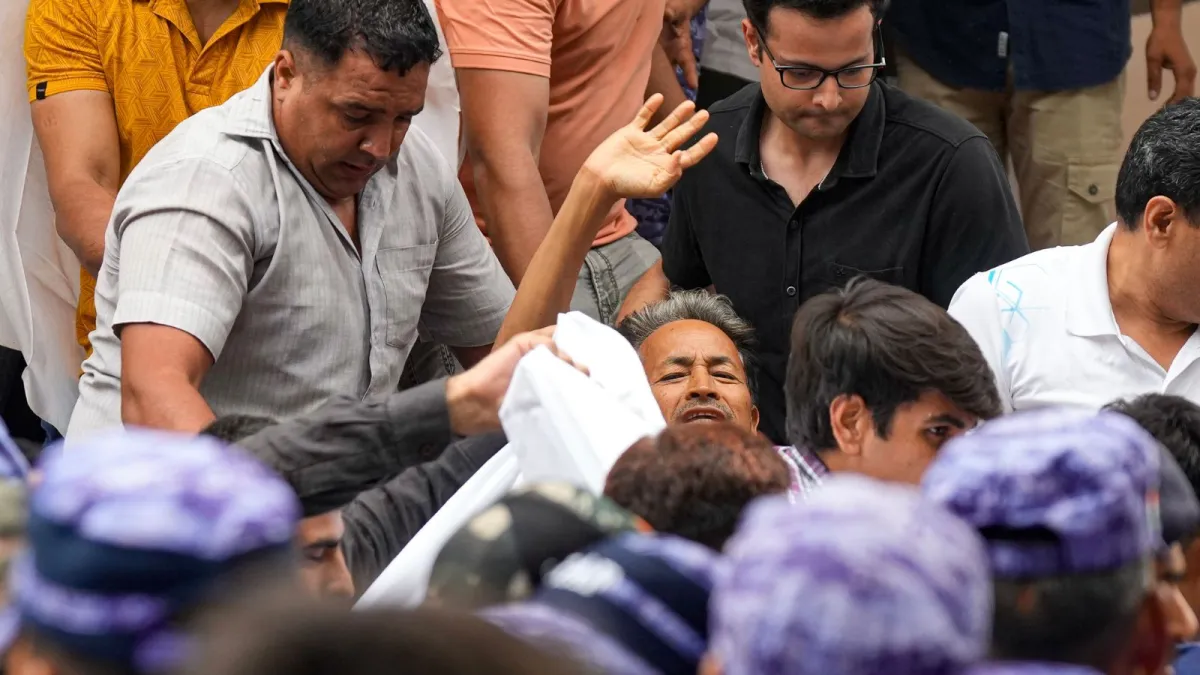
In the early morning hours of Saturday, July 18, 2026, the quiet intensity of New Delhi’s Jantar Mantar was shattered. Delhi Police personnel moved into the protest site to execute a high-stakes, pre-dawn evacuation. Their objective: to remove renowned educator, innovator, and activist Sonam Wangchuk.
As his indefinite hunger strike entered its 21st day, Wangchuk - visibly weakened and having lost significant weight - was forcibly taken from the site and admitted to the emergency ward of Safdarjung Hospital.
While authorities cite a Delhi High Court order and a deteriorating medical baseline as the reasons for their intervention, the dramatic escalation has ignited a fierce national conversation. This is no longer just a localized protest; it has become a profound standoff over accountability, the future of India's youth, and the limits of peaceful dissent.
The Critical Health Indicators
By Day 20 of his fast, medical experts warned that Wangchuk had entered the dangerous "third stage" of prolonged fasting, where the risk of permanent organ involvement or failure increases dramatically. Independent medical updates from the site painted a stark picture of the physical toll the strike had taken on the 59-year-old innovator:
Metric | Recorded Level (Day 20) | Context / Impact |
Body Weight | 56.55 kg | A loss of nearly 9 kg (21 lbs) since the fast began. |
Blood Sugar | 70 mg/dL | Hovering at the edge of critical hypoglycemia, causing severe dizziness. |
Blood Pressure | 108/68 mmHg | Markedly low, indicating systemic exhaustion and mild dehydration. |
The Delhi High Court had previously stepped in, stating that "the life of every citizen is precious" and directing government doctors to monitor him daily. When his vitals dipped into the danger zone, the police enacted a highly coordinated extraction, holding up white sheets to shield the stage as they moved him. Though Wangchuk is currently conscious and stable in the hospital, a heavy security deployment now surrounds his ward.
Why is an Environmentalist Fasting Over Exams?
For many who know Sonam Wangchuk as the brilliant engineer behind Ladakh's "Ice Stupas" or the leader of historic climate fasts, his presence at Jantar Mantar might seem like an unexpected pivot. However, those close to him know that education reform has always been his foundational passion.
Wangchuk launched this indefinite hunger strike on June 28, 2026, in solidarity with a massive, youth-led movement organized by the Cockroach Janta Party (CJP).
The core demands of the movement strike at the heart of India's competitive examination framework:
Structural Reform: A complete overhauling of examination security measures to eliminate recurring nationwide paper leaks (most notably surrounding the NEET medical entrance exams that devastated over two million students).
Accountability: The immediate resignation of Union Education Minister Dharmendra Pradhan over the failure to protect student data and merit.
Transparency: A legally binding protocol ensuring fair, secure, and verifiable testing environments for millions of young applicants across the country.
"This isn't a political play; it's a generational rescue mission. When the integrity of exams clears out, the meritocracy of a nation dies." - Activist sentiment from the ground at Jantar Mantar.
The Fallout: A Spark Rather Than a Fire Extinguisher
If the administration hoped that removing Sonam Wangchuk from the physical protest site would deflate the movement, the early morning aftermath proved exactly the opposite.
Moments after the police vehicle carrying Wangchuk pulled away, Abhijeet Dipke, the 30-year-old founding president of the Cockroach Janta Party, announced that he was immediately stepping into the void, commencing his own indefinite hunger strike right at the barricades.
The political and social response has been swift. Massive support has poured in from opposition leaders - including Arvind Kejriwal, Akhilesh Yadav, and Aaditya Thackeray -=who heavily criticized the government’s approach, calling the administration "insensitive" and accusing them of acting as mere bystanders while students' futures hang in the balance. Internationally, global advocacy groups have also begun gathering in solidarity, urging the Indian government to engage in substantive dialogue rather than relying on forced dispersals.
What Lies Ahead?
The timing of Wangchuk’s removal is highly strategic. It occurred less than 48 hours before a massive, scheduled march to Parliament on July 20, set to coincide with the opening of the monsoon session.
With heavy paramilitary forces now cordoning off Jantar Mantar and strict barricading regulating movement around Safdarjung Hospital, New Delhi has effectively become a pressure cooker.
The government faces a critical crossroad. Forcible medical interventions can protect a protester’s physical life, but they do not answer the painful questions millions of young students are asking about paper leaks, corruption, and the erosion of fairness. As the CJP's relay fasts expand and public sympathy grows, the real test will not be how the police manage the crowd at Jantar Mantar, but how the Ministry of Education repairs its broken trust with the youth of the nation.
Sonam Wangchuk may be confined to a hospital bed today, but his 21-day sacrifice has firmly shifted the spotlight onto a system that can no longer afford to look away