Trending
Sonam Wangchuk Shifted From Safdarjung Hospital to Medanta After Court Order: Why It Is Trending on Social Media
News
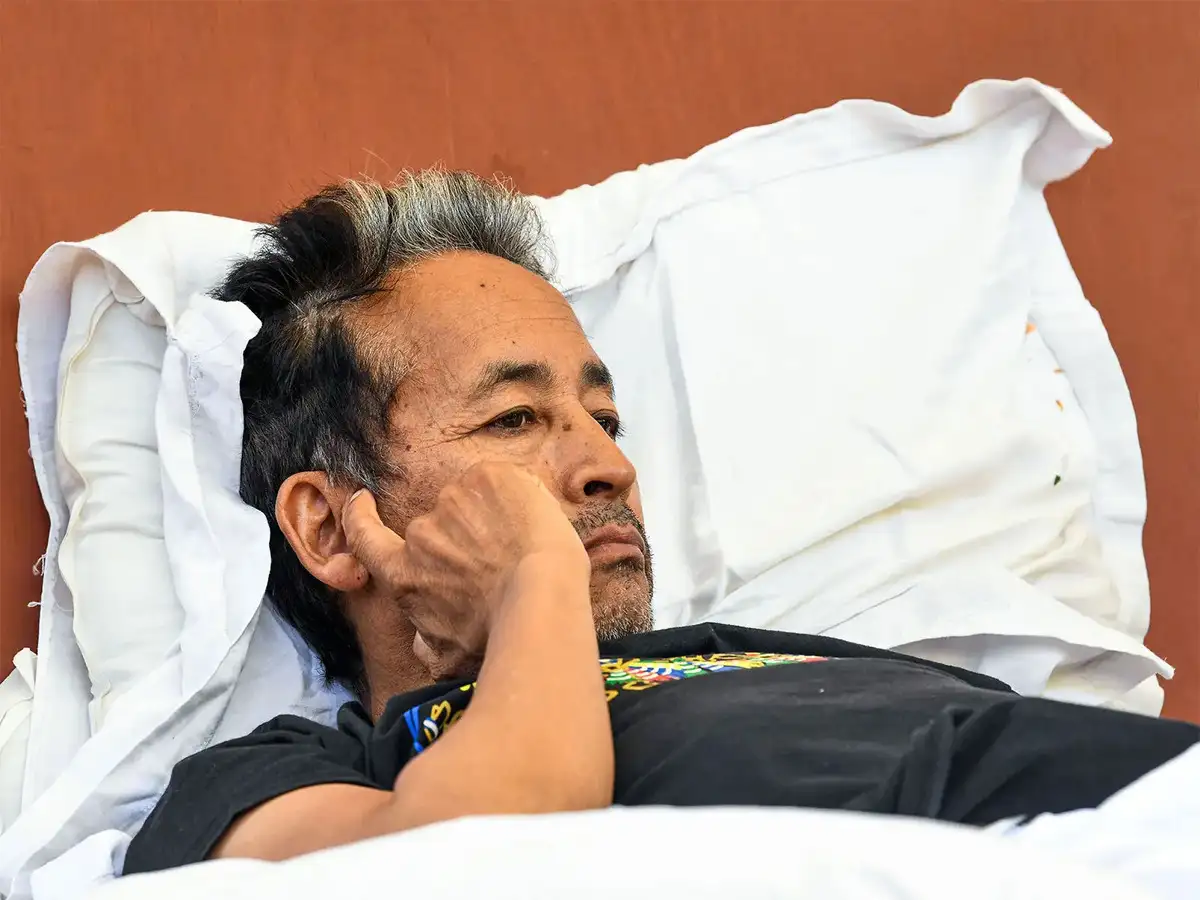
Environmental activist, education reformer, and engineer Sonam Wangchuk has once again become the center of national attention. The latest development came after the Delhi High Court ordered his immediate transfer from Safdarjung Hospital to Medanta Hospital in Gurugram, following concerns over his health during an ongoing hunger strike.
The court's decision quickly became one of the most discussed topics across social media platforms, with hashtags related to Wangchuk trending on X (formerly Twitter), Instagram, Facebook, and Reddit. Supporters, activists, medical professionals, and political observers have been debating the circumstances surrounding his hospitalization, the court's intervention, and the broader issues connected to his protest.
This blog explains what happened, why the court ordered the transfer, and why the issue has gone viral online.
Who Is Sonam Wangchuk?
Sonam Wangchuk is an engineer, innovator, education reformer, and environmental activist from Ladakh. He is internationally recognized for promoting sustainable living, climate action, and educational reforms in remote Himalayan regions.
Over the years, Wangchuk has become a respected public figure because of his work in:
Sustainable education
Climate change awareness
Glacier conservation
Renewable energy
Rural innovation
Environmental advocacy
His work inspired the character portrayed by Aamir Khan in the Bollywood film 3 Idiots, making him widely known across India.
Why Was Sonam Wangchuk Hospitalized?
According to reports, Wangchuk had been on an indefinite hunger strike since June 28 as part of a protest over alleged irregularities in medical entrance examinations and related demands. As his health deteriorated after weeks without food, authorities shifted him from the protest site at Jantar Mantar to Safdarjung Hospital for medical supervision.
While authorities stated that the move was necessary to protect his health, Wangchuk's supporters argued that he had been taken to the hospital against his wishes and that his stay resembled detention rather than voluntary treatment.
Why Did the Delhi High Court Order His Transfer?
The matter reached the Delhi High Court after Wangchuk's wife, Dr. Gitanjali Angmo, requested permission to move him to Medanta Hospital in Gurugram.
During the hearing, the court considered medical reports from doctors associated with Safdarjung Hospital, AIIMS, and Wangchuk's own medical team. After reviewing the reports, the bench concluded that he required continuous medical monitoring and allowed his transfer to the private hospital of his choice. The Centre reportedly did not object to the transfer.
The High Court also directed Medanta to constitute a specialized medical team to monitor his condition and continue treatment according to accepted medical protocols.
Family's Reaction
Following the court's order, Wangchuk's wife welcomed the decision.
She stated that the family felt relieved because they believed his stay at Safdarjung Hospital had become restrictive. She also maintained that Wangchuk intended to continue his hunger strike despite being shifted to Medanta.
Why Is This Trending on Social Media?
The story gained massive traction for several reasons.
1. Court Intervention
The Delhi High Court's direct intervention immediately attracted widespread public attention.
Many users viewed the order as an important decision regarding a citizen's right to receive treatment at a hospital of their choice.
2. Concerns About Health
Since Wangchuk had been fasting for several weeks, many people were worried about his physical condition.
Images and videos from the hospital, along with updates from family members and supporters, spread rapidly online.
3. Debate Over Civil Rights
Supporters questioned whether Wangchuk should have been moved to the government hospital against his wishes, while authorities maintained that the intervention was necessary because of concerns for his health.
This sparked discussions about:
Individual rights
Medical ethics
State intervention during hunger strikes
Democratic protests
4. Medical Community Response
The issue gained further attention after Resident Doctors' Associations from AIIMS and Safdarjung reportedly expressed concerns regarding patient autonomy and medical ethics.
Their statements encouraged broader conversations within the healthcare community.
5. Viral Videos
Videos showing Wangchuk being taken from the protest site and later updates regarding the High Court hearing circulated widely across social media.
These visuals generated millions of views and intensified public discussion.
Public Reactions
Social media reactions have been divided.
Many supporters praised the High Court's decision, describing it as an important step in protecting Wangchuk's rights and ensuring access to medical care.
Others emphasized that preserving the life of someone on a prolonged hunger strike is a legitimate responsibility of authorities.
The incident has therefore generated discussions that go beyond one individual, touching on broader questions of healthcare, legal rights, and democratic protest.
What Happens Next?
Following the court order:
Sonam Wangchuk has been shifted to Medanta Hospital.
A specialized team of doctors will continuously monitor his health.
He is expected to follow medical advice while continuing treatment.
His family has indicated that his protest and hunger strike are expected to continue.
Further legal and medical developments are likely to determine the next phase of the case.
Why This Story Matters
The incident highlights several important issues affecting modern India:
The balance between protecting life and respecting personal autonomy.
The role of courts in safeguarding fundamental rights.
Medical ethics during prolonged hunger strikes.
The relationship between peaceful protest and state intervention.
Public interest in transparency surrounding high-profile activists.
Because Sonam Wangchuk is a nationally recognized public figure, developments concerning his health continue to receive widespread public attention.
Conclusion
Sonam Wangchuk's transfer from Safdarjung Hospital to Medanta Hospital has become one of India's biggest trending news stories because it combines legal intervention, public health concerns, civil rights, and activism.
The Delhi High Court's decision followed medical opinions that Wangchuk required continuous monitoring and accepted his family's request to transfer him to a hospital of his choice while ensuring uninterrupted treatment.
As updates continue to emerge, the case is likely to remain a focal point of public debate, highlighting important questions about healthcare, individual rights, and democratic protest.
Frequently Asked Questions (FAQs)
1. Why was Sonam Wangchuk shifted to Medanta Hospital?
The Delhi High Court allowed his transfer after considering medical opinions and a plea filed by his wife seeking treatment at a private hospital of their choice.
2. Why was Sonam Wangchuk admitted to Safdarjung Hospital?
He was shifted there after his health reportedly deteriorated during a prolonged hunger strike.
3. Why is Sonam Wangchuk trending on social media?
The court order, his ongoing hunger strike, debates about his hospitalization, and widespread public interest in his activism have made the story trend across social media platforms.
4. Is Sonam Wangchuk continuing his hunger strike?
According to statements from his family, he intends to continue the hunger strike while receiving medical care at Medanta Hospital.
5. What did the Delhi High Court direct?
The court ordered his immediate transfer to Medanta Hospital, directed that a team of doctors monitor his condition, and emphasized continuity of medical care while respecting his rights.