Trending
Tim Cook Steps Down as Apple CEO: Why the End of an Era Is Trending on Social Media
News
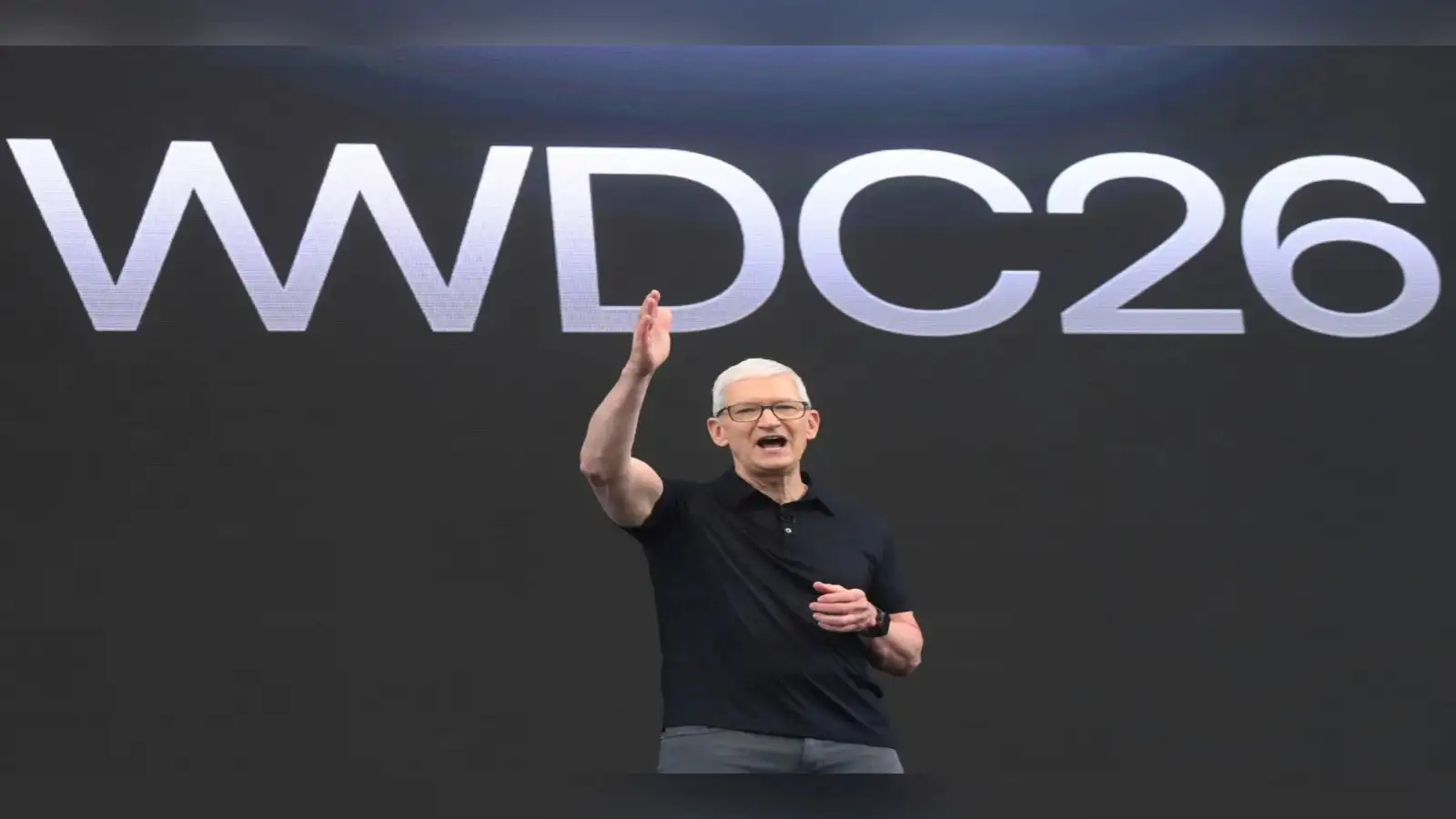
A major leadership transition at Apple is capturing attention across social media as Tim Cook reaches the end of his 15-year tenure as the company’s Chief Executive Officer. After leading Apple since 2011, Cook is stepping away from the CEO role, with John Ternus, Apple’s Senior Vice President of Hardware Engineering, becoming the company’s next CEO effective September 1, 2026. Cook will remain closely connected to Apple as executive chairman.
The announcement has generated widespread discussion because Tim Cook’s leadership has become one of the most significant chapters in Apple’s modern history. When Cook took over from Steve Jobs in 2011, many people questioned whether Apple could maintain its extraordinary momentum under a different leadership style. Fifteen years later, his tenure is being remembered for massive financial growth, expansion into new product categories, the development of Apple's services business and a major transformation of the company’s global operations.
Tim Cook’s 15-Year Journey at Apple
Tim Cook became Apple CEO in August 2011 after Steve Jobs stepped down. Cook brought a very different leadership background to the role. Before becoming CEO, he was widely associated with Apple's operations and supply-chain management, rather than the product-launch charisma that had characterised the Jobs era. His leadership ultimately demonstrated that Apple could grow under a management philosophy centred heavily on operational discipline, global scale and long-term execution.
According to Apple, the company's market capitalisation increased from approximately $350 billion when Cook became CEO to around $4 trillion during his tenure. Annual revenue also grew from $108 billion in fiscal 2011 to more than $416 billion in fiscal 2025. Apple expanded its global footprint to more than 200 countries and territories, while its active installed base grew to more than 2.5 billion devices.
These figures explain why Cook's departure is being viewed as more than an ordinary executive transition. It represents the closing of a leadership era that fundamentally changed the scale of one of the world's most influential technology companies.
More Than the iPhone
One of the defining features of Cook's tenure was Apple's expansion beyond the iPhone. While the iPhone remained the company's most important product, Apple introduced and developed major product categories including Apple Watch, AirPods and Apple Vision Pro. The company also expanded services such as Apple Music, Apple TV+, iCloud and Apple Pay.
Apple says its Services business grew into a more-than-$100-billion annual business during Cook's tenure. This transformation was strategically important because it gave Apple a much larger recurring-revenue ecosystem around its hardware products.
Cook's Apple also invested heavily in its own silicon and hardware technologies. Apple's transition toward internally designed chips gave the company greater control over performance and power efficiency across its product portfolio. These changes helped reinforce Apple's strategy of controlling more elements of its hardware and software ecosystem.
Why Tim Cook’s Departure Is Trending on Social Media
The biggest reason this story is trending is simple: people are witnessing the end of a major technology leadership era in real time. Tim Cook has been Apple's CEO for approximately 15 years, meaning an entire generation of consumers has known him as the person at the top of Apple.
For many people, Cook's Apple is the Apple they grew up with. They have watched the company launch the Apple Watch, AirPods, new generations of iPhones and Macs, Apple Music, Apple TV+ and Vision Pro during his leadership. His departure therefore creates a strong sense of nostalgia and curiosity about what comes next.
Social media naturally amplifies moments like this because users can immediately share memories, opinions, memes, business analysis and predictions. Posts describing the transition as the "end of an era" are particularly effective because the phrase captures both the emotional significance of Cook's departure and the uncertainty surrounding Apple's next chapter.
A Small but Important Date Clarification
The image circulating on social media says Tim Cook is stepping down as Apple CEO on August 31. There is an important distinction behind that wording. August 31, 2026 is Cook's final day as CEO, while John Ternus officially becomes CEO on September 1, 2026. Apple announced the transition in April and confirmed that Cook would become executive chairman while Ternus takes over the CEO position.
This distinction matters because social media posts often simplify corporate announcements into a single date. The broader message, however, is correct: the Tim Cook era as Apple's CEO is ending, and the John Ternus era is beginning.
Who Is John Ternus?
John Ternus represents an interesting choice for Apple's next chapter. He has spent more than two decades at Apple and has held senior responsibility for hardware engineering. Apple says Ternus joined the company in 2001, became a vice president of Hardware Engineering in 2013 and joined the executive team as senior vice president in 2021. He has worked across major Apple product categories, including iPhone, Mac, iPad, AirPods and Apple Watch.
His background has immediately led to speculation about what his leadership could mean for Apple. Whereas Cook became known for operations, scale and business execution, Ternus brings a strong engineering and product-development background. Current coverage is therefore examining whether Apple's next phase could place greater emphasis on hardware innovation and product execution.
The AI Challenge Makes the Transition Even More Important
Another reason this leadership change is attracting attention is the rapidly changing artificial-intelligence landscape. Apple is entering a period in which AI is becoming increasingly important to smartphones, computers, software and consumer technology.
Apple's competitors are aggressively developing AI assistants, AI-powered devices and new forms of human-computer interaction. As a result, one of the major questions surrounding Ternus is how Apple will strengthen its AI strategy while maintaining the company's traditional emphasis on privacy, integrated hardware and software, and polished user experiences.
This makes the timing of the leadership transition particularly significant. Ternus is not simply inheriting a successful company; he is taking responsibility for Apple at a time when technology itself is undergoing a major transformation.
What Tim Cook Leaves Behind
Cook's legacy is difficult to summarise through a single achievement. His contribution was largely about scaling Apple and turning it into an even broader technology ecosystem. During his tenure, Apple expanded services, developed wearables, strengthened its hardware capabilities, increased its global reach and grew into a company with an enormous installed base.
His leadership style also placed strong emphasis on privacy, accessibility, environmental initiatives and workplace values. Apple says that during Cook's leadership, the company reduced its carbon footprint by more than 60% compared with 2015 levels while revenue nearly doubled.
At the same time, Cook's era was not without challenges. Apple faces questions around artificial intelligence, regulatory pressure, supply-chain dependence and the pace of major new product innovation. These issues will now become part of Ternus's leadership challenge.
Why People Are Calling It the End of an Era
The phrase "end of an era" is trending because the transition represents more than one executive changing positions. It marks the conclusion of a period that began shortly after Steve Jobs's final years and continued through some of the biggest changes in modern technology.
Cook successfully demonstrated that Apple could continue growing after Jobs. His leadership helped transform the company from a roughly $350-billion market-cap business into a multitrillion-dollar technology giant.
Now, Apple faces another defining moment. Ternus must maintain what works while determining where the company needs to change. That balance between protecting Apple's strengths and creating its next major breakthrough will likely define the next era.
How Social Media Is Shaping the Conversation
Social media has turned the leadership transition into a global conversation rather than simply a corporate announcement. Users are sharing Cook's most memorable Apple moments, discussing his legacy, comparing him with Steve Jobs, analysing Ternus's background and debating what Apple's future could look like.
The visual nature of posts like the image shared above also makes the story particularly suitable for social platforms. A photograph of Cook combined with phrases such as "End of an Era" immediately communicates the significance of the event. Short statistics about Apple's growth make the post easy to understand and share, while hashtags such as #TimCook, #Apple, #TechNews, #Leadership and #AppleCEO help connect it to broader conversations.
This combination of a famous technology company, a globally recognised CEO, a major leadership transition and uncertainty about the future creates exactly the kind of story that naturally attracts engagement.
What Comes Next for Apple?
The most interesting part of this story may not be Tim Cook's departure but what happens after it. John Ternus now inherits a company that is financially powerful, globally recognised and deeply integrated into consumers' daily lives. At the same time, he faces significant expectations around AI, innovation, product development and future growth.
Cook will not disappear from Apple. He is becoming executive chairman and is expected to remain involved in certain areas, including engagement with policymakers. This means the transition is better understood as a change in leadership responsibilities rather than a complete departure.
Final Thoughts
Tim Cook stepping down as Apple CEO is trending on social media because it represents a rare moment in technology: the conclusion of a 15-year leadership era at one of the world's most influential companies. His tenure saw Apple expand dramatically in value, products, services, global reach and installed devices, while also establishing a different leadership model from the one associated with Steve Jobs.
Now, the spotlight moves to John Ternus. His engineering background, long history at Apple and experience overseeing hardware make him an intriguing successor at a time when AI and product innovation are reshaping the technology industry.
For social media users, the moment is about nostalgia, business, technology and anticipation all at once. For Apple, however, it represents something much bigger: the beginning of its next chapter.