Trending
Why Elon Musk’s Flying Car Is Trending on Social Media
News
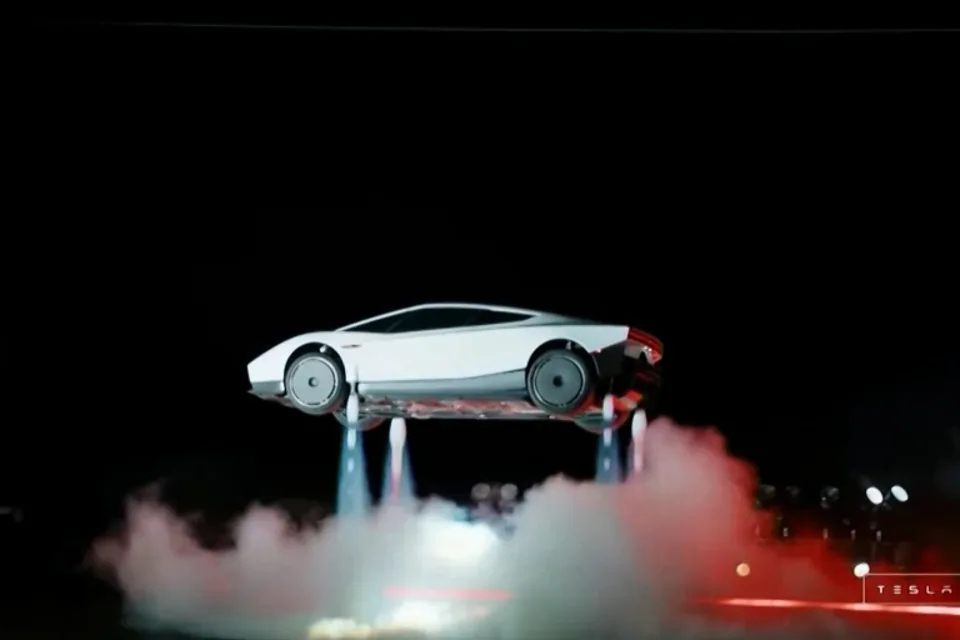
The idea of flying cars has fascinated people for decades, but it has recently captured global attention after Tesla CEO Elon Musk showcased a futuristic version of the Tesla Roadster. Videos of the vehicle performing dramatic aerial stunts have spread rapidly across social media, sparking excitement, curiosity, jokes, and debates about the future of transportation.
On October 15, 2026, Tesla presented its next-generation Roadster at an event held at a SpaceX facility in Texas. The demonstration featured the vehicle using rocket-style thrusters to perform an airborne manoeuvre, prompting Musk to suggest that flying cars are becoming a reality. The event quickly attracted attention from technology enthusiasts, automotive fans, and social media users around the world.
But what exactly has made the Elon Musk flying car topic so popular? From futuristic technology and viral videos to online memes and questions about safety, several factors explain why this story is trending.
1. A Futuristic Idea That Captures Everyone’s Imagination
One of the biggest reasons behind the popularity of Elon Musk’s flying car is that it brings a long-standing science-fiction dream closer to reality. For years, movies and television shows have presented a future in which people travel through the air instead of getting stuck on busy roads.
The possibility of a car that can leave the ground immediately attracts attention because it challenges how people traditionally understand transportation. Instead of relying entirely on roads, bridges, and highways, a flying vehicle introduces the possibility of a completely different travel experience.
For many people, the idea sounds unbelievable. For others, it represents the next stage of technological development. This combination of excitement and disbelief makes the topic highly shareable on social media.
2. Tesla’s Dramatic Roadster Demonstration
Another major reason for the trend is the unusual demonstration of Tesla’s next-generation Roadster. During the presentation, the vehicle performed an airborne stunt using thruster technology, creating footage that looked like something taken from a science-fiction film.
Unlike a conventional electric car launch, the demonstration focused on spectacular movement and futuristic engineering. Short clips showing the vehicle leaving a ramp, flipping in mid-air, and landing captured the attention of viewers.
These dramatic visuals are particularly suitable for platforms such as Instagram, YouTube, Facebook, and X, where unusual videos can attract millions of views and reactions.
The demonstration has also encouraged people to discuss the relationship between Tesla's electric vehicle technology and SpaceX's aerospace expertise. However, the demonstrated capabilities should not automatically be interpreted as proof that an ordinary road car can fly freely through cities.
3. Elon Musk’s Reputation for Bold Innovations
Elon Musk is one of the most recognisable figures in the technology and automotive industries. His association with electric vehicles, reusable rockets, artificial intelligence, and ambitious engineering projects makes his announcements especially newsworthy.
When Musk introduces an unusual concept, people often pay attention because they associate his companies with attempts to challenge established industries.
Tesla has helped popularise electric vehicles, while SpaceX has made reusable rocket technology a major part of its operations. Consequently, the idea of combining automotive engineering with rocket-inspired technology naturally attracts curiosity.
Supporters view the flying Roadster concept as another example of ambitious innovation. Critics, meanwhile, question whether the technology will become practical or remain an expensive demonstration.
This difference in opinion encourages discussion, reactions, and debate, all of which contribute to the topic's social media visibility.
4. Viral Videos and Social Media Algorithms
Social media platforms are designed to recommend content that attracts attention and encourages interaction. A video showing a car performing an aerial stunt is likely to stand out among ordinary driving footage, vehicle reviews, and advertisements.
People may watch the clip repeatedly, share it with friends, leave comments, or create reaction videos. Each of these actions can help the content reach a wider audience.
Creators also produce shorter versions of the original footage, add dramatic captions, and explain the technology in simple language. Some present the demonstration as a historic breakthrough, while others focus on its unusual appearance or question whether the vehicle genuinely qualifies as a flying car.
As these different versions circulate, the original announcement reaches audiences who may not regularly follow automotive or technology news.
5. Memes and Humorous Reactions
Not every social media reaction is serious. In fact, humour has played an important role in making the flying car story more popular.
Users have created jokes about flying over traffic jams, avoiding toll booths, changing driving licences into flying licences, and imagining what traffic police would do if cars started travelling above other vehicles.
In India, where traffic congestion and toll plazas are familiar experiences for many motorists, these ideas provide particularly relatable material for memes.
The humorous responses help introduce the topic to people who might not otherwise be interested in automotive engineering. Someone may initially share a joke about flying over traffic before becoming curious about the actual vehicle.
This mixture of genuine interest and entertainment is one reason the story has become a broader online conversation rather than simply another product announcement.
6. Questions About Whether It Is Really a Flying Car
Although the vehicle's demonstration has attracted considerable attention, the term flying car requires some explanation.
A conventional flying car would need to offer a practical way to travel through the air, with appropriate propulsion, stability, control, and safety systems. A vehicle that briefly leaves the ground using thrusters does not necessarily provide the same capabilities as an aircraft designed for sustained flight.
Tesla's demonstration has therefore raised questions about how the vehicle should be classified and what its final production version will actually be capable of doing.
The distinction matters because short demonstration footage can create expectations that go beyond what a prototype has proven. Readers should distinguish between demonstrated performance, advertised features, and capabilities that have been independently verified.
These questions have added another dimension to the online discussion, attracting both enthusiastic supporters and sceptical observers.
7. Safety, Regulations, and Practical Challenges
Another reason the topic is trending is the debate about whether flying vehicles could safely operate in everyday environments.
Cars are designed to travel on roads, while aircraft must meet different requirements involving airspace, navigation, pilot responsibilities, and flight safety. A vehicle combining both functions would face complex engineering and regulatory challenges.
For example, manufacturers would need to address the risk of mechanical failure, the safety of people on the ground, vehicle stability, and the possibility of collisions with buildings or other aircraft.
Regulators would also need to determine where such vehicles could operate and what permissions would be required. These challenges make widespread adoption much more complicated than simply developing a vehicle capable of leaving the ground.
As a result, the flying Roadster has encouraged people to debate not only what technology can achieve but also whether it can be used responsibly in real-world conditions.
8. What Could This Mean for the Future of Transportation?
The attention surrounding Tesla's demonstration reflects a wider interest in new forms of mobility. Researchers and companies are exploring electric aircraft, autonomous transportation, and electric vertical take-off and landing vehicles, commonly known as eVTOL aircraft.
Such technologies aim to create new transportation options, particularly for certain urban, regional, and specialised applications. However, their commercial success depends on factors such as affordability, energy efficiency, infrastructure, maintenance, and public acceptance.
If flying vehicles eventually become practical for everyday use, they could change how some people travel and how cities plan transportation networks. Nevertheless, widespread adoption would require substantial progress in engineering, regulation, and infrastructure.
For now, the Tesla Roadster demonstration is an example of how an ambitious technological concept can capture public imagination without necessarily establishing that flying cars are ready for ordinary consumers.
9. What Should People Know Before Sharing Viral Claims?
The popularity of the flying car story also highlights the importance of checking information before sharing it online.
Social media posts sometimes combine genuine footage with exaggerated headlines, outdated claims, or digitally generated images. In previous years, false posts claiming that Musk had already released a flying car circulated online, including images of vehicles made by unrelated companies.
Readers should therefore check Tesla's official announcements, examine reputable news reports, and look for clear information about production dates, pricing, and technical specifications.
It is also important to distinguish between a public demonstration and a commercially available product. Even when footage is authentic, the final vehicle may have different capabilities from the prototype shown at an event.
Responsible sharing helps people enjoy exciting technological developments without spreading misleading information.
Conclusion
Elon Musk's flying car is trending on social media because it combines futuristic technology, dramatic visual demonstrations, celebrity influence, humour, and questions about what transportation might look like in the future.
Tesla's next-generation Roadster has attracted attention by demonstrating an airborne manoeuvre using rocket-style thrusters, encouraging people to discuss the boundaries between conventional automobiles and aerospace technology.
At the same time, the story has generated questions about safety, regulations, affordability, and whether the demonstrated capabilities will translate into a practical consumer product.
Ultimately, the trend illustrates how quickly an ambitious technological announcement can become a global conversation. While the idea of flying cars remains exciting, understanding the difference between a spectacular demonstration and a practical transportation solution is essential when evaluating what this development could mean for the future.