Trending
Why "I Will Continue My Fast": Sonam Wangchuk After Government Meets Protesters Is Trending on Social Media
News
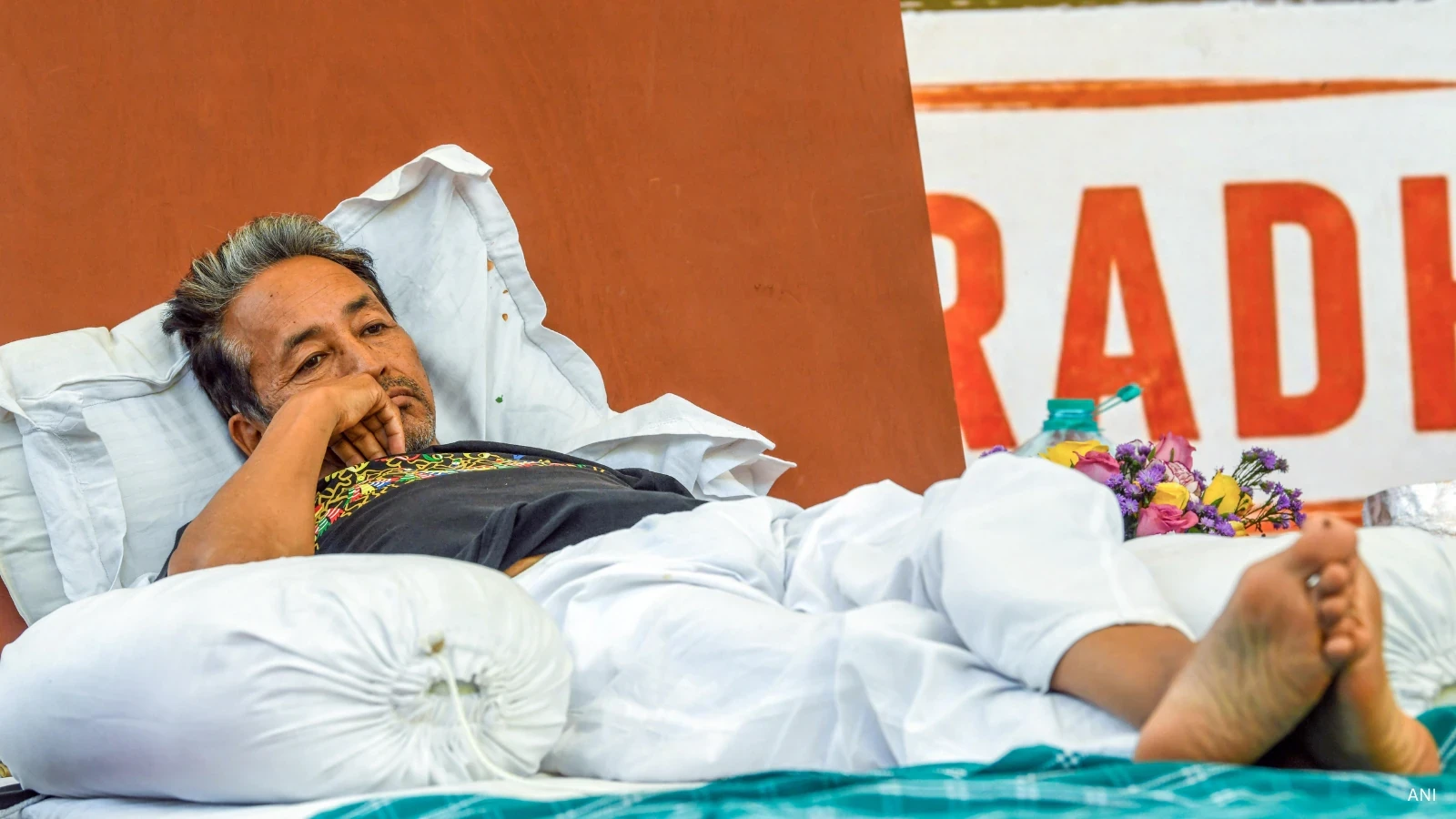
The name Sonam Wangchuk has once again become one of the most discussed topics across social media platforms after he announced that he would continue his hunger strike despite the government's meeting with protesters. The development has sparked widespread debate, with hashtags related to Wangchuk, the protest, and government accountability trending on X (formerly Twitter), Instagram, Facebook, and YouTube.
His latest statement came after representatives of the government held discussions with protesters. However, Wangchuk stated that his fast would continue until youth representatives are allowed to directly meet Members of Parliament or lawmakers visit them, indicating that he believes more meaningful engagement is needed.
Who Is Sonam Wangchuk?
Sonam Wangchuk is an engineer, education reformer, environmentalist, and social activist from Ladakh. He is widely recognized for his innovative work in sustainable education and climate solutions, including the development of the "Ice Stupa" project for water conservation.
He gained nationwide recognition as the inspiration behind the character "Phunsukh Wangdu" in the Bollywood film 3 Idiots. Over the years, Wangchuk has become a prominent voice on environmental protection, education reforms, and constitutional issues concerning Ladakh.
What Happened Recently?
The latest controversy began after thousands of protesters gathered to press their demands, leading to discussions between government representatives and protest leaders.
Following these developments, Sonam Wangchuk released a handwritten message saying that he would continue his hunger strike despite the government's outreach. According to reports, he wants youth representatives to receive an opportunity to directly present their concerns before Parliament or for elected representatives to meet them personally.
His statement quickly spread across social media, where supporters praised his determination while others debated the effectiveness and implications of continuing the fast.
Why Is Sonam Wangchuk Continuing His Fast?
According to his public statement, Wangchuk believes that dialogue should involve direct engagement with elected representatives rather than only administrative discussions.
His primary reasons include:
Seeking direct communication between youth leaders and Parliament.
Calling for greater accountability in handling protesters.
Continuing support for those participating in the movement.
Emphasizing peaceful democratic engagement.
While the government has initiated talks with protesters, Wangchuk indicated that these steps alone do not meet the conditions he has outlined for ending his fast.
Government's Response
Reports indicate that government representatives met with protest leaders in an effort to reduce tensions and hear their concerns.
The discussions were viewed as an attempt to establish communication after large public demonstrations. However, there has been no confirmation that all of Wangchuk's conditions have been accepted, which is why his hunger strike continues.
The situation remains fluid, with further discussions expected.
Why Is It Trending on Social Media?
Several factors have contributed to the issue becoming one of the day's biggest online discussions.
1. Sonam Wangchuk's National Recognition
Wangchuk has long been respected for his work in education and environmental sustainability. Because of his public profile, any major announcement from him receives significant attention.
2. A Peaceful Form of Protest
Hunger strikes have a long history in India's democratic movements. Wangchuk's decision to continue fasting has generated discussion about peaceful protest and civic participation.
3. Viral Handwritten Message
Images of Wangchuk's handwritten statement circulated widely on X, Instagram, Facebook, and WhatsApp, prompting extensive sharing and commentary.
4. Youth Engagement
Many students and young people have actively discussed the issue online, sharing opinions, videos, and updates, which helped the topic trend across platforms.
5. Continuous News Coverage
Major national news organizations have provided frequent updates on Wangchuk's health, the protest, and government discussions, sustaining public interest throughout the day.
Public Reactions
Public opinion online has been diverse.
Some users have expressed support for Wangchuk's decision, describing it as a peaceful effort to seek accountability and dialogue.
Others have argued that negotiations should continue through institutional channels and have encouraged all parties to pursue a constructive resolution.
The discussion reflects a range of perspectives rather than a single consensus.
The Role of Social Media
Social media has significantly amplified awareness of the developments.
Trending hashtags, short video clips, opinion posts, and live updates have allowed millions of users to follow events in real time. Supporters and critics alike have used digital platforms to express their views, contributing to the topic's visibility.
What Happens Next?
The next phase will likely depend on whether further dialogue takes place between government representatives and protest leaders.
Key questions include:
Will additional meetings be scheduled?
Will Wangchuk's stated conditions be addressed?
Will the hunger strike continue if negotiations progress?
How will public discussion evolve in the coming days?
These developments will determine the future course of the protest.
Conclusion
Sonam Wangchuk's declaration, "I Will Continue My Fast," has become one of the most talked-about topics on social media because it combines a well-known public figure, an ongoing protest, and active public debate. Although government representatives have initiated discussions with protesters, Wangchuk has maintained that his fast will continue until he sees what he considers meaningful engagement with the movement's concerns.
As events continue to unfold, the issue remains under close public and media attention. The coming days - and any further dialogue between stakeholders - are likely to shape both the protest and the broader national conversation surrounding it.