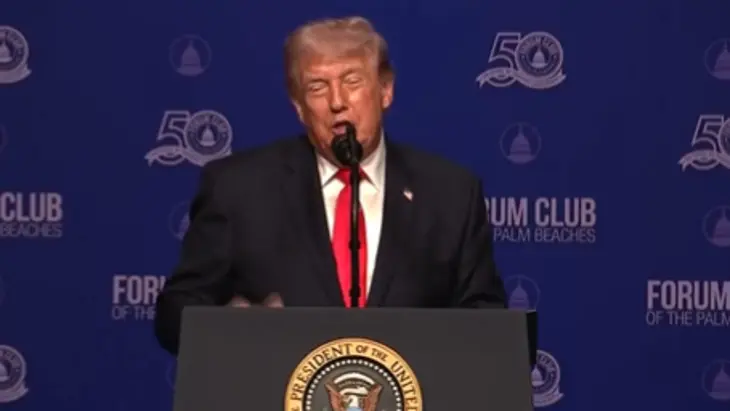
The phrase “Foolish Ceasefire Violation” has become one of the most discussed topics across social media after U.S. President Donald Trump accused Iran of violating a recently agreed ceasefire by allegedly launching drones at commercial ships in the Strait of Hormuz. The statement has triggered widespread debate on platforms like X (formerly Twitter), Facebook, Instagram, Reddit, and YouTube, where users are discussing whether the fragile peace agreement between the United States and Iran is on the verge of collapsing.
The incident has once again placed the Middle East at the center of global attention, with concerns growing over international trade, oil prices, maritime security, and the possibility of renewed military conflict.
What Happened?
According to President Trump, Iran launched four one-way attack drones targeting commercial vessels passing through the Strait of Hormuz. Trump claimed that one drone struck the upper section of a cargo ship, while U.S. forces intercepted and destroyed the remaining three drones before they could reach their targets. He described the attack as a “foolish violation of our ceasefire agreement.”
The alleged attack occurred only days after both countries had announced a temporary ceasefire aimed at reducing tensions and reopening critical shipping routes in the Gulf.
Although Iran had not immediately accepted Trump's version of events, the accusations quickly became one of the most discussed geopolitical topics online.
Why Is This Story Trending on Social Media?
There are several reasons why this issue has captured worldwide attention.
1. Trump's Strong Language
Donald Trump is known for using direct and attention-grabbing language.
Calling Iran's alleged action a "Foolish Ceasefire Violation" instantly became a viral phrase.
Thousands of users shared screenshots of Trump's statement, while political commentators debated whether his wording was intended to pressure Iran diplomatically or prepare the international community for a stronger response.
The phrase quickly appeared among trending hashtags across multiple platforms.
2. Threat to Global Oil Supply
The incident reportedly took place in the Strait of Hormuz, one of the world's most strategically important waterways.
Nearly 20% of global seaborne oil passes through this narrow shipping route.
Whenever military tensions increase in this region, investors and governments become concerned about possible disruptions in energy supplies.
Social media users immediately began discussing:
Rising oil prices
Fuel inflation
Shipping delays
Global economic consequences
Many financial analysts warned that any prolonged conflict in the Strait of Hormuz could affect international markets.
3. Questions Over the Ceasefire
The ceasefire between the United States and Iran had been welcomed internationally because it offered hope after months of escalating tensions.
Trump's accusation has now raised doubts about whether that agreement can survive.
People online are asking:
Did Iran intentionally violate the agreement?
Was it an isolated military action?
Will the United States retaliate?
Can diplomatic talks continue?
These unanswered questions have fueled intense online discussions.
4. Maritime Security Concerns
Commercial shipping companies closely monitor developments in the Strait of Hormuz because it serves as a vital trade route connecting Asia, Europe, and the Middle East.
Following reports of the drone strike, maritime organizations reportedly reviewed vessel movements through the area, and shipping companies reassessed risks.
Many users shared ship-tracking maps and discussed how shipping insurance costs could rise if attacks continue.
5. Global Political Debate
Political analysts, journalists, and international relations experts have weighed in with differing perspectives.
Some believe Trump's response sends a strong deterrent message.
Others argue that public accusations before a full investigation could complicate ongoing diplomatic negotiations.
This division has fueled further engagement on social media.
Iran's Position
While Trump blamed Iran directly, Iranian officials have continued to emphasize their role in overseeing navigation in the Strait of Hormuz and have criticized U.S. and Gulf statements rejecting Iranian control measures. Iran has also argued that its coastal position gives it certain rights over maritime management in the region.
At the time of reporting, Tehran had not publicly accepted responsibility for the specific drone attack described by Trump.
Why the Strait of Hormuz Matters
The Strait of Hormuz is one of the world's most strategically important waterways.
Every day:
Millions of barrels of crude oil pass through it.
Hundreds of commercial vessels travel this route.
Major energy exporters rely on it.
Global supply chains depend on uninterrupted navigation.
Because of its importance, even minor military incidents in the area receive worldwide attention.
Impact on Financial Markets
Whenever geopolitical tensions rise in the Gulf, investors become cautious.
Possible consequences include:
Increased oil prices
Higher transportation costs
Stock market volatility
Shipping insurance premiums rising
Currency fluctuations
Although markets often react quickly to such headlines, the longer-term impact depends on whether the situation escalates further.
Social Media Reactions
Users across various platforms reacted differently.
Supporters of Trump praised his firm response and argued that ceasefire agreements should be enforced strictly.
Others questioned whether more evidence should be released before assigning blame.
International affairs experts shared detailed analyses explaining the significance of the Strait of Hormuz.
Financial influencers discussed the possible effects on crude oil prices.
Memes, political debates, and live news clips rapidly spread across X, Facebook, Instagram, and YouTube, keeping the topic trending throughout the day.
Could the Ceasefire Collapse?
This remains the biggest concern.
If additional attacks occur or either side responds militarily, the temporary ceasefire could come under significant strain.
However, diplomatic channels reportedly remain active, and several governments continue urging restraint while negotiations over broader regional security issues proceed.
What Happens Next?
Observers will be watching for several developments:
Whether further evidence about the drone attack is released.
Iran's official response to Trump's accusations.
Any additional military activity in the Strait of Hormuz.
Statements from international organizations and allied governments.
The progress of ongoing diplomatic negotiations.
Each of these developments could influence regional stability and global markets.
Conclusion
The phrase "Foolish Ceasefire Violation" has become a major talking point because it combines several high-profile issues: a ceasefire between longtime adversaries, alleged drone attacks on commercial shipping, the strategic importance of the Strait of Hormuz, and Donald Trump's forceful public statements.
The story is trending not only because of its political significance but also because of its potential impact on global trade, oil markets, and international security. While Trump has accused Iran of breaching the ceasefire, the broader implications will depend on future investigations, diplomatic efforts, and whether both sides can prevent further escalation.
For now, the incident serves as a reminder that even a single reported attack in one of the world's busiest maritime corridors can become an international flashpoint and dominate conversations across social media worldwide.
The phrase “Foolish Ceasefire Violation” has become one of the most discussed topics across social media after U.S. President Donald Trump accused Iran of violating a recently agreed ceasefire by allegedly launching drones at commercial ships in the Strait of Hormuz. The statement has triggered widespread debate on platforms like X (formerly Twitter), Facebook, Instagram, Reddit, and YouTube, where users are discussing whether the fragile peace agreement between the United States and Iran is on the verge of collapsing.
The incident has once again placed the Middle East at the center of global attention, with concerns growing over international trade, oil prices, maritime security, and the possibility of renewed military conflict.
What Happened?
According to President Trump, Iran launched four one-way attack drones targeting commercial vessels passing through the Strait of Hormuz. Trump claimed that one drone struck the upper section of a cargo ship, while U.S. forces intercepted and destroyed the remaining three drones before they could reach their targets. He described the attack as a “foolish violation of our ceasefire agreement.”
The alleged attack occurred only days after both countries had announced a temporary ceasefire aimed at reducing tensions and reopening critical shipping routes in the Gulf.
Although Iran had not immediately accepted Trump's version of events, the accusations quickly became one of the most discussed geopolitical topics online.
Why Is This Story Trending on Social Media?
There are several reasons why this issue has captured worldwide attention.
1. Trump's Strong Language
Donald Trump is known for using direct and attention-grabbing language.
Calling Iran's alleged action a "Foolish Ceasefire Violation" instantly became a viral phrase.
Thousands of users shared screenshots of Trump's statement, while political commentators debated whether his wording was intended to pressure Iran diplomatically or prepare the international community for a stronger response.
The phrase quickly appeared among trending hashtags across multiple platforms.
2. Threat to Global Oil Supply
The incident reportedly took place in the Strait of Hormuz, one of the world's most strategically important waterways.
Nearly 20% of global seaborne oil passes through this narrow shipping route.
Whenever military tensions increase in this region, investors and governments become concerned about possible disruptions in energy supplies.
Social media users immediately began discussing:
Rising oil prices
Fuel inflation
Shipping delays
Global economic consequences
Many financial analysts warned that any prolonged conflict in the Strait of Hormuz could affect international markets.
3. Questions Over the Ceasefire
The ceasefire between the United States and Iran had been welcomed internationally because it offered hope after months of escalating tensions.
Trump's accusation has now raised doubts about whether that agreement can survive.
People online are asking:
Did Iran intentionally violate the agreement?
Was it an isolated military action?
Will the United States retaliate?
Can diplomatic talks continue?
These unanswered questions have fueled intense online discussions.
4. Maritime Security Concerns
Commercial shipping companies closely monitor developments in the Strait of Hormuz because it serves as a vital trade route connecting Asia, Europe, and the Middle East.
Following reports of the drone strike, maritime organizations reportedly reviewed vessel movements through the area, and shipping companies reassessed risks.
Many users shared ship-tracking maps and discussed how shipping insurance costs could rise if attacks continue.
5. Global Political Debate
Political analysts, journalists, and international relations experts have weighed in with differing perspectives.
Some believe Trump's response sends a strong deterrent message.
Others argue that public accusations before a full investigation could complicate ongoing diplomatic negotiations.
This division has fueled further engagement on social media.
Iran's Position
While Trump blamed Iran directly, Iranian officials have continued to emphasize their role in overseeing navigation in the Strait of Hormuz and have criticized U.S. and Gulf statements rejecting Iranian control measures. Iran has also argued that its coastal position gives it certain rights over maritime management in the region.
At the time of reporting, Tehran had not publicly accepted responsibility for the specific drone attack described by Trump.
Why the Strait of Hormuz Matters
The Strait of Hormuz is one of the world's most strategically important waterways.
Every day:
Millions of barrels of crude oil pass through it.
Hundreds of commercial vessels travel this route.
Major energy exporters rely on it.
Global supply chains depend on uninterrupted navigation.
Because of its importance, even minor military incidents in the area receive worldwide attention.
Impact on Financial Markets
Whenever geopolitical tensions rise in the Gulf, investors become cautious.
Possible consequences include:
Increased oil prices
Higher transportation costs
Stock market volatility
Shipping insurance premiums rising
Currency fluctuations
Although markets often react quickly to such headlines, the longer-term impact depends on whether the situation escalates further.
Social Media Reactions
Users across various platforms reacted differently.
Supporters of Trump praised his firm response and argued that ceasefire agreements should be enforced strictly.
Others questioned whether more evidence should be released before assigning blame.
International affairs experts shared detailed analyses explaining the significance of the Strait of Hormuz.
Financial influencers discussed the possible effects on crude oil prices.
Memes, political debates, and live news clips rapidly spread across X, Facebook, Instagram, and YouTube, keeping the topic trending throughout the day.
Could the Ceasefire Collapse?
This remains the biggest concern.
If additional attacks occur or either side responds militarily, the temporary ceasefire could come under significant strain.
However, diplomatic channels reportedly remain active, and several governments continue urging restraint while negotiations over broader regional security issues proceed.
What Happens Next?
Observers will be watching for several developments:
Whether further evidence about the drone attack is released.
Iran's official response to Trump's accusations.
Any additional military activity in the Strait of Hormuz.
Statements from international organizations and allied governments.
The progress of ongoing diplomatic negotiations.
Each of these developments could influence regional stability and global markets.
Conclusion
The phrase "Foolish Ceasefire Violation" has become a major talking point because it combines several high-profile issues: a ceasefire between longtime adversaries, alleged drone attacks on commercial shipping, the strategic importance of the Strait of Hormuz, and Donald Trump's forceful public statements.
The story is trending not only because of its political significance but also because of its potential impact on global trade, oil markets, and international security. While Trump has accused Iran of breaching the ceasefire, the broader implications will depend on future investigations, diplomatic efforts, and whether both sides can prevent further escalation.
For now, the incident serves as a reminder that even a single reported attack in one of the world's busiest maritime corridors can become an international flashpoint and dominate conversations across social media worldwide.
Share this article
2 min read


