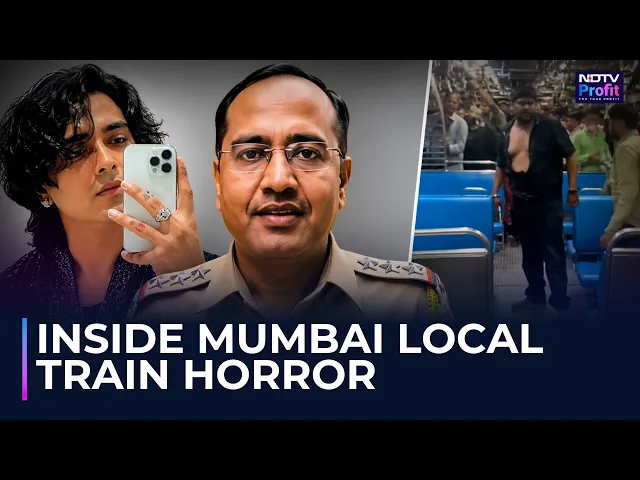

Mumbai's local train network is often referred to as the city's lifeline. Every day, millions of commuters depend on these trains to travel to work, school, and home. However, a shocking incident that recently occurred inside a moving Mumbai local train has left the entire nation stunned and sparked widespread outrage on social media.
The tragic murder of 22-year-old Mayank Lohar inside a crowded local train has raised serious concerns about public safety, commuter behavior, and the increasing tendency of minor disputes escalating into deadly violence. The case has quickly become one of the most discussed topics across social media platforms, with thousands of users demanding justice and questioning the safety of public transport.
What Happened in the Mumbai Local Train Murder Case?
According to police reports, the incident took place inside a Churchgate-Nallasopara fast local train. Mayank Lohar, a 22-year-old resident of Virar, was travelling in the first-class compartment when an argument reportedly broke out between him and another passenger over whether the train door should remain open or closed during heavy rainfall.
What initially appeared to be a routine disagreement soon turned violent. Authorities allege that the accused, identified as Roshan Suvarna, attacked Mayank with a knife during the argument, stabbing him in the abdomen. The attack occurred while the train was moving between Andheri and Borivali stations. Despite efforts to save him, Mayank later succumbed to his injuries.
The accused reportedly fled the train at Borivali station before it came to a complete halt. Mumbai Police subsequently launched an extensive manhunt and later arrested him from Panvel after tracking his movements through hundreds of CCTV cameras across the railway network.
Why Has the Case Shocked the Nation?
Mumbai locals are known for carrying millions of passengers every day. While overcrowding, delays, and occasional arguments are common, a fatal stabbing inside a moving train over such a minor issue has shocked citizens.
The incident has highlighted several troubling realities:
Growing intolerance in public spaces
Increasing incidents of road rage and public aggression
Safety concerns in crowded transportation systems
Lack of intervention during violent incidents
Mental stress and frustration among urban commuters
Many people have expressed disbelief that a disagreement about a train door could lead to the loss of a young life.
Why Is the Case Trending on Social Media?
1. CCTV and Viral Video Discussions
One of the biggest reasons the case has gained traction online is the circulation of videos, photographs, and CCTV-related updates associated with the investigation. News clips showing police tracking the accused and eyewitness accounts have generated millions of views and shares.
Social media users have been actively discussing how quickly an everyday disagreement escalated into a fatal crime.
2. Public Safety Concerns
The incident has reignited debates about passenger safety on Mumbai's suburban railway network.
Many commuters have shared personal experiences of witnessing fights, arguments, and aggressive behavior inside trains. The case has led to widespread demands for stronger security measures, more railway police personnel, and increased surveillance.
3. Questions About Bystander Intervention
One aspect that has particularly resonated with social media users is the question of why fellow passengers were unable to stop the attack.
Reports indicate that numerous passengers were present in the compartment at the time of the incident. Family members of the victim have publicly questioned why nobody intervened to save Mayank.
This has sparked nationwide discussions about the "bystander effect," where people witnessing an emergency hesitate to act due to fear, confusion, or uncertainty.
4. Emotional Family Statements
The victim's family has made emotional appeals for justice that have been widely shared online.
Mayank's father has demanded the strictest possible punishment for the accused, stating that the incident has devastated their family. These statements have touched many people and further amplified public outrage.
5. Reflection of a Larger Social Problem
For many social media users, the incident symbolizes a broader issue in society—how anger and frustration are increasingly leading to violent reactions.
Several commentators have pointed out that conflicts in public spaces, whether on roads, trains, or social media itself, are becoming more aggressive than ever before.
The Investigation So Far
Mumbai Police acted swiftly after the incident.
Investigators reportedly reviewed footage from approximately 400 CCTV cameras to reconstruct the suspect's movements after he fled the train. This extensive surveillance effort helped authorities locate and arrest the accused within a relatively short period.
The case is now proceeding through the legal system, and authorities are continuing to gather witness statements and forensic evidence.
Public Reaction
The public response has been intense.
Across platforms such as X (formerly Twitter), Instagram, Facebook, and YouTube, users have expressed grief, anger, and concern. Hashtags related to the case have trended as people demand justice for Mayank Lohar.
Many users have described the incident as a wake-up call for society, emphasizing the need for patience, empathy, and conflict resolution in everyday life.
Others have called upon railway authorities to improve emergency response systems and increase security personnel on trains.
Lessons from the Tragedy
The Mumbai Local Train Murder Case serves as a painful reminder of how quickly anger can spiral out of control.
Several lessons emerge from this incident:
Minor disagreements should never escalate into violence.
Public safety measures need continuous improvement.
Citizens must learn healthier ways to handle conflicts.
Bystander awareness and emergency response training can save lives.
Mental health and stress management deserve greater attention in urban environments.
Most importantly, the tragedy reminds us that every commuter deserves to feel safe while travelling.
Conclusion
The murder of Mayank Lohar inside a Mumbai local train has shocked the nation and become one of the most talked-about stories on social media. What began as a disagreement over a train door reportedly ended in a tragic loss of life, leaving a family devastated and raising serious questions about public safety and social behavior.
As the investigation continues and legal proceedings move forward, the incident remains a powerful reminder of the importance of patience, empathy, and responsible conduct in public spaces. The widespread online reaction reflects not only grief for the victim but also growing concern about the rising aggression seen in everyday interactions.
The hope now is that justice will be served and that meaningful lessons can be learned to prevent such tragedies from occurring again.
Mumbai's local train network is often referred to as the city's lifeline. Every day, millions of commuters depend on these trains to travel to work, school, and home. However, a shocking incident that recently occurred inside a moving Mumbai local train has left the entire nation stunned and sparked widespread outrage on social media.
The tragic murder of 22-year-old Mayank Lohar inside a crowded local train has raised serious concerns about public safety, commuter behavior, and the increasing tendency of minor disputes escalating into deadly violence. The case has quickly become one of the most discussed topics across social media platforms, with thousands of users demanding justice and questioning the safety of public transport.
What Happened in the Mumbai Local Train Murder Case?
According to police reports, the incident took place inside a Churchgate-Nallasopara fast local train. Mayank Lohar, a 22-year-old resident of Virar, was travelling in the first-class compartment when an argument reportedly broke out between him and another passenger over whether the train door should remain open or closed during heavy rainfall.
What initially appeared to be a routine disagreement soon turned violent. Authorities allege that the accused, identified as Roshan Suvarna, attacked Mayank with a knife during the argument, stabbing him in the abdomen. The attack occurred while the train was moving between Andheri and Borivali stations. Despite efforts to save him, Mayank later succumbed to his injuries.
The accused reportedly fled the train at Borivali station before it came to a complete halt. Mumbai Police subsequently launched an extensive manhunt and later arrested him from Panvel after tracking his movements through hundreds of CCTV cameras across the railway network.
Why Has the Case Shocked the Nation?
Mumbai locals are known for carrying millions of passengers every day. While overcrowding, delays, and occasional arguments are common, a fatal stabbing inside a moving train over such a minor issue has shocked citizens.
The incident has highlighted several troubling realities:
Growing intolerance in public spaces
Increasing incidents of road rage and public aggression
Safety concerns in crowded transportation systems
Lack of intervention during violent incidents
Mental stress and frustration among urban commuters
Many people have expressed disbelief that a disagreement about a train door could lead to the loss of a young life.
Why Is the Case Trending on Social Media?
1. CCTV and Viral Video Discussions
One of the biggest reasons the case has gained traction online is the circulation of videos, photographs, and CCTV-related updates associated with the investigation. News clips showing police tracking the accused and eyewitness accounts have generated millions of views and shares.
Social media users have been actively discussing how quickly an everyday disagreement escalated into a fatal crime.
2. Public Safety Concerns
The incident has reignited debates about passenger safety on Mumbai's suburban railway network.
Many commuters have shared personal experiences of witnessing fights, arguments, and aggressive behavior inside trains. The case has led to widespread demands for stronger security measures, more railway police personnel, and increased surveillance.
3. Questions About Bystander Intervention
One aspect that has particularly resonated with social media users is the question of why fellow passengers were unable to stop the attack.
Reports indicate that numerous passengers were present in the compartment at the time of the incident. Family members of the victim have publicly questioned why nobody intervened to save Mayank.
This has sparked nationwide discussions about the "bystander effect," where people witnessing an emergency hesitate to act due to fear, confusion, or uncertainty.
4. Emotional Family Statements
The victim's family has made emotional appeals for justice that have been widely shared online.
Mayank's father has demanded the strictest possible punishment for the accused, stating that the incident has devastated their family. These statements have touched many people and further amplified public outrage.
5. Reflection of a Larger Social Problem
For many social media users, the incident symbolizes a broader issue in society—how anger and frustration are increasingly leading to violent reactions.
Several commentators have pointed out that conflicts in public spaces, whether on roads, trains, or social media itself, are becoming more aggressive than ever before.
The Investigation So Far
Mumbai Police acted swiftly after the incident.
Investigators reportedly reviewed footage from approximately 400 CCTV cameras to reconstruct the suspect's movements after he fled the train. This extensive surveillance effort helped authorities locate and arrest the accused within a relatively short period.
The case is now proceeding through the legal system, and authorities are continuing to gather witness statements and forensic evidence.
Public Reaction
The public response has been intense.
Across platforms such as X (formerly Twitter), Instagram, Facebook, and YouTube, users have expressed grief, anger, and concern. Hashtags related to the case have trended as people demand justice for Mayank Lohar.
Many users have described the incident as a wake-up call for society, emphasizing the need for patience, empathy, and conflict resolution in everyday life.
Others have called upon railway authorities to improve emergency response systems and increase security personnel on trains.
Lessons from the Tragedy
The Mumbai Local Train Murder Case serves as a painful reminder of how quickly anger can spiral out of control.
Several lessons emerge from this incident:
Minor disagreements should never escalate into violence.
Public safety measures need continuous improvement.
Citizens must learn healthier ways to handle conflicts.
Bystander awareness and emergency response training can save lives.
Mental health and stress management deserve greater attention in urban environments.
Most importantly, the tragedy reminds us that every commuter deserves to feel safe while travelling.
Conclusion
The murder of Mayank Lohar inside a Mumbai local train has shocked the nation and become one of the most talked-about stories on social media. What began as a disagreement over a train door reportedly ended in a tragic loss of life, leaving a family devastated and raising serious questions about public safety and social behavior.
As the investigation continues and legal proceedings move forward, the incident remains a powerful reminder of the importance of patience, empathy, and responsible conduct in public spaces. The widespread online reaction reflects not only grief for the victim but also growing concern about the rising aggression seen in everyday interactions.
The hope now is that justice will be served and that meaningful lessons can be learned to prevent such tragedies from occurring again.
Share this article
2 min read


