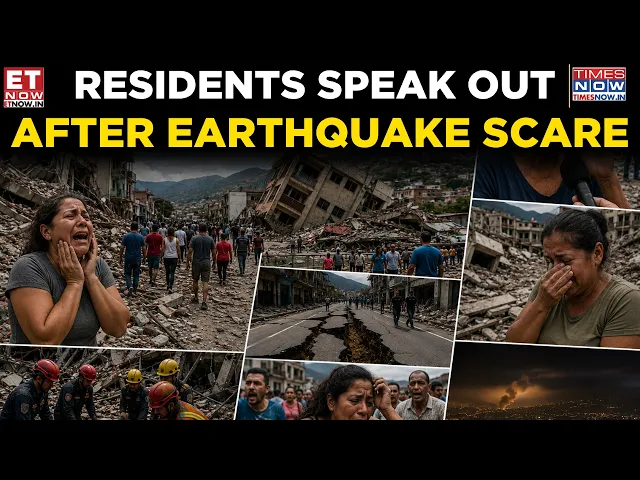
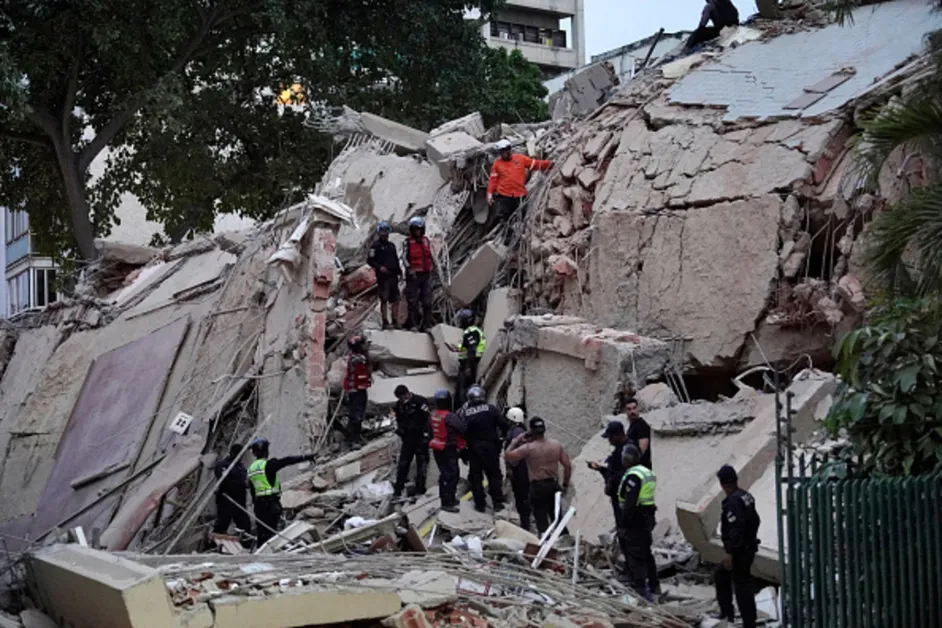
A recent earthquake in Venezuela has become a major topic of discussion across social media platforms, with thousands of users sharing videos, eyewitness accounts, and updates about the seismic event. Natural disasters often attract global attention, but this particular earthquake has generated significant online engagement due to dramatic footage, concerns about public safety, and the rapid spread of information through digital channels.
As people seek reliable information about the earthquake, many are asking what happened, why it is trending, and what impact it may have on the affected regions. In this blog, we explore the reasons behind the social media buzz and the broader significance of earthquakes in Venezuela.
Understanding the Venezuela Earthquake
Earthquakes occur when tectonic plates beneath the Earth's surface shift, releasing energy that causes the ground to shake. Venezuela is located in a seismically active region where the Caribbean Plate interacts with the South American Plate. This geological setting makes certain parts of the country vulnerable to earthquakes.
The recent earthquake was felt in multiple areas, prompting residents to evacuate buildings and seek safety. Reports from local communities described noticeable shaking, while social media quickly filled with videos showing swaying structures, people gathering outdoors, and emergency responses.
Although earthquakes vary in intensity and impact, even moderate tremors can create widespread concern, especially in densely populated urban areas.
Why Is the Venezuela Earthquake Trending on Social Media?
1. Real-Time Videos and Eyewitness Reports
One of the main reasons the earthquake gained attention online is the abundance of real-time content shared by residents. Within minutes of the tremor, users uploaded videos showing the effects of the shaking.
These firsthand accounts provided immediate insight into the situation and allowed people around the world to witness the event as it unfolded. Such content often spreads rapidly because it offers an authentic perspective that traditional news outlets may take longer to provide.
2. Global Interest in Natural Disasters
Natural disasters consistently generate significant public interest. People are naturally curious about events that affect large populations and disrupt daily life.
When an earthquake occurs, users often turn to social media to:
Check on friends and family.
Share safety information.
Follow official updates.
View footage from affected areas.
Discuss the potential consequences.
This collective interest contributes to trending hashtags and widespread online engagement.
3. Concerns About Damage and Casualties
Whenever an earthquake is reported, many people immediately worry about potential injuries, fatalities, and property damage.
Social media discussions intensified as users sought information about:
Building safety.
Infrastructure damage.
Emergency services.
Transportation disruptions.
Power outages.
The uncertainty surrounding the immediate aftermath often fuels online conversations until official assessments become available.
4. Viral Hashtags and News Coverage
Hashtags related to the earthquake quickly gained traction on platforms such as X, Instagram, Facebook, and TikTok. News organizations also began publishing updates, which further increased visibility.
As more users interacted with earthquake-related content, platform algorithms amplified the topic, helping it reach an even larger audience.
5. Public Safety Awareness
Many users shared earthquake preparedness tips and emergency guidelines. These educational posts encouraged discussions about disaster readiness, particularly in regions that are vulnerable to seismic activity.
As a result, the conversation expanded beyond Venezuela and became relevant to people worldwide.
Venezuela's History of Earthquakes
While Venezuela is not as frequently associated with earthquakes as countries like Japan or Chile, it has experienced significant seismic events throughout its history.
Several regions of Venezuela lie near active fault systems, making earthquakes a recurring geological reality.
Historical earthquakes in the country have highlighted the importance of:
Earthquake-resistant construction.
Emergency planning.
Public awareness campaigns.
Effective disaster response systems.
Each seismic event serves as a reminder of the need for continued preparedness.
How Social Media Changes Disaster Reporting
The Venezuela earthquake demonstrates how modern technology has transformed the way people receive information during emergencies.
Faster Information Sharing
In the past, news of an earthquake might have taken hours to reach international audiences. Today, information spreads almost instantly through smartphones and social media platforms.
Citizen Journalism
Ordinary residents often become the first reporters during natural disasters. Videos, photos, and personal experiences shared online provide valuable context and help people understand what is happening on the ground.
Increased Awareness
Social media helps governments, emergency agencies, and humanitarian organizations communicate directly with the public. Important safety instructions can reach large audiences quickly.
Challenges of Misinformation
Despite its benefits, social media can also contribute to the spread of inaccurate information.
Common issues include:
Sharing old videos as new footage.
Exaggerated claims about damage.
False casualty reports.
Unverified rumors.
This is why users are encouraged to rely on trusted news sources and official government statements.
The Importance of Earthquake Preparedness
The trending discussion surrounding the Venezuela earthquake has also renewed interest in earthquake preparedness.
Experts recommend several safety measures:
Before an Earthquake
Secure heavy furniture and appliances.
Prepare an emergency kit.
Identify safe locations inside buildings.
Develop a family emergency plan.
During an Earthquake
Drop, cover, and hold on.
Stay away from windows.
Avoid elevators.
Remain calm and follow safety guidelines.
After an Earthquake
Check for injuries.
Inspect buildings for damage.
Follow instructions from local authorities.
Be prepared for aftershocks.
Preparedness can significantly reduce risks during seismic events.
Economic and Social Impact
Even when an earthquake causes limited physical damage, it can still affect communities in various ways.
Possible impacts include:
Temporary business closures.
Transportation delays.
School disruptions.
Infrastructure inspections.
Increased public anxiety.
Recovery efforts often involve cooperation between government agencies, emergency responders, and local communities.
The speed and effectiveness of these responses play a crucial role in minimizing long-term consequences.
International Reactions
Major earthquakes frequently attract international attention and support.
Governments, humanitarian organizations, and global institutions often monitor developments closely. In some cases, neighboring countries and international aid groups may offer assistance if significant damage occurs.
The global response reflects the interconnected nature of today's world, where information travels quickly and communities often come together to support those affected by disasters.
Lessons from the Trending Earthquake Discussion
The widespread attention surrounding the Venezuela earthquake highlights several important lessons:
Natural disasters remain a significant global concern.
Social media plays a central role in modern emergency communication.
Accurate information is essential during crises.
Preparedness can save lives.
Communities benefit from staying informed and supporting one another.
These lessons apply not only to Venezuela but also to regions around the world that face similar risks.
Conclusion
The Venezuela earthquake has become a trending topic on social media because it combines real-time eyewitness reports, public safety concerns, dramatic visuals, and widespread global interest in natural disasters. As videos and updates continue to circulate online, millions of people are following developments and seeking reliable information about the event.
While social media has helped spread awareness quickly, it also underscores the importance of verifying information through trusted sources. The earthquake serves as a reminder of the power of nature, the value of preparedness, and the role technology now plays in connecting people during emergencies.
As authorities continue to assess the situation and communities recover, the conversation surrounding the Venezuela earthquake demonstrates how modern audiences engage with major events in an increasingly connected digital world.
A recent earthquake in Venezuela has become a major topic of discussion across social media platforms, with thousands of users sharing videos, eyewitness accounts, and updates about the seismic event. Natural disasters often attract global attention, but this particular earthquake has generated significant online engagement due to dramatic footage, concerns about public safety, and the rapid spread of information through digital channels.
As people seek reliable information about the earthquake, many are asking what happened, why it is trending, and what impact it may have on the affected regions. In this blog, we explore the reasons behind the social media buzz and the broader significance of earthquakes in Venezuela.
Understanding the Venezuela Earthquake
Earthquakes occur when tectonic plates beneath the Earth's surface shift, releasing energy that causes the ground to shake. Venezuela is located in a seismically active region where the Caribbean Plate interacts with the South American Plate. This geological setting makes certain parts of the country vulnerable to earthquakes.
The recent earthquake was felt in multiple areas, prompting residents to evacuate buildings and seek safety. Reports from local communities described noticeable shaking, while social media quickly filled with videos showing swaying structures, people gathering outdoors, and emergency responses.
Although earthquakes vary in intensity and impact, even moderate tremors can create widespread concern, especially in densely populated urban areas.
Why Is the Venezuela Earthquake Trending on Social Media?
1. Real-Time Videos and Eyewitness Reports
One of the main reasons the earthquake gained attention online is the abundance of real-time content shared by residents. Within minutes of the tremor, users uploaded videos showing the effects of the shaking.
These firsthand accounts provided immediate insight into the situation and allowed people around the world to witness the event as it unfolded. Such content often spreads rapidly because it offers an authentic perspective that traditional news outlets may take longer to provide.
2. Global Interest in Natural Disasters
Natural disasters consistently generate significant public interest. People are naturally curious about events that affect large populations and disrupt daily life.
When an earthquake occurs, users often turn to social media to:
Check on friends and family.
Share safety information.
Follow official updates.
View footage from affected areas.
Discuss the potential consequences.
This collective interest contributes to trending hashtags and widespread online engagement.
3. Concerns About Damage and Casualties
Whenever an earthquake is reported, many people immediately worry about potential injuries, fatalities, and property damage.
Social media discussions intensified as users sought information about:
Building safety.
Infrastructure damage.
Emergency services.
Transportation disruptions.
Power outages.
The uncertainty surrounding the immediate aftermath often fuels online conversations until official assessments become available.
4. Viral Hashtags and News Coverage
Hashtags related to the earthquake quickly gained traction on platforms such as X, Instagram, Facebook, and TikTok. News organizations also began publishing updates, which further increased visibility.
As more users interacted with earthquake-related content, platform algorithms amplified the topic, helping it reach an even larger audience.
5. Public Safety Awareness
Many users shared earthquake preparedness tips and emergency guidelines. These educational posts encouraged discussions about disaster readiness, particularly in regions that are vulnerable to seismic activity.
As a result, the conversation expanded beyond Venezuela and became relevant to people worldwide.
Venezuela's History of Earthquakes
While Venezuela is not as frequently associated with earthquakes as countries like Japan or Chile, it has experienced significant seismic events throughout its history.
Several regions of Venezuela lie near active fault systems, making earthquakes a recurring geological reality.
Historical earthquakes in the country have highlighted the importance of:
Earthquake-resistant construction.
Emergency planning.
Public awareness campaigns.
Effective disaster response systems.
Each seismic event serves as a reminder of the need for continued preparedness.
How Social Media Changes Disaster Reporting
The Venezuela earthquake demonstrates how modern technology has transformed the way people receive information during emergencies.
Faster Information Sharing
In the past, news of an earthquake might have taken hours to reach international audiences. Today, information spreads almost instantly through smartphones and social media platforms.
Citizen Journalism
Ordinary residents often become the first reporters during natural disasters. Videos, photos, and personal experiences shared online provide valuable context and help people understand what is happening on the ground.
Increased Awareness
Social media helps governments, emergency agencies, and humanitarian organizations communicate directly with the public. Important safety instructions can reach large audiences quickly.
Challenges of Misinformation
Despite its benefits, social media can also contribute to the spread of inaccurate information.
Common issues include:
Sharing old videos as new footage.
Exaggerated claims about damage.
False casualty reports.
Unverified rumors.
This is why users are encouraged to rely on trusted news sources and official government statements.
The Importance of Earthquake Preparedness
The trending discussion surrounding the Venezuela earthquake has also renewed interest in earthquake preparedness.
Experts recommend several safety measures:
Before an Earthquake
Secure heavy furniture and appliances.
Prepare an emergency kit.
Identify safe locations inside buildings.
Develop a family emergency plan.
During an Earthquake
Drop, cover, and hold on.
Stay away from windows.
Avoid elevators.
Remain calm and follow safety guidelines.
After an Earthquake
Check for injuries.
Inspect buildings for damage.
Follow instructions from local authorities.
Be prepared for aftershocks.
Preparedness can significantly reduce risks during seismic events.
Economic and Social Impact
Even when an earthquake causes limited physical damage, it can still affect communities in various ways.
Possible impacts include:
Temporary business closures.
Transportation delays.
School disruptions.
Infrastructure inspections.
Increased public anxiety.
Recovery efforts often involve cooperation between government agencies, emergency responders, and local communities.
The speed and effectiveness of these responses play a crucial role in minimizing long-term consequences.
International Reactions
Major earthquakes frequently attract international attention and support.
Governments, humanitarian organizations, and global institutions often monitor developments closely. In some cases, neighboring countries and international aid groups may offer assistance if significant damage occurs.
The global response reflects the interconnected nature of today's world, where information travels quickly and communities often come together to support those affected by disasters.
Lessons from the Trending Earthquake Discussion
The widespread attention surrounding the Venezuela earthquake highlights several important lessons:
Natural disasters remain a significant global concern.
Social media plays a central role in modern emergency communication.
Accurate information is essential during crises.
Preparedness can save lives.
Communities benefit from staying informed and supporting one another.
These lessons apply not only to Venezuela but also to regions around the world that face similar risks.
Conclusion
The Venezuela earthquake has become a trending topic on social media because it combines real-time eyewitness reports, public safety concerns, dramatic visuals, and widespread global interest in natural disasters. As videos and updates continue to circulate online, millions of people are following developments and seeking reliable information about the event.
While social media has helped spread awareness quickly, it also underscores the importance of verifying information through trusted sources. The earthquake serves as a reminder of the power of nature, the value of preparedness, and the role technology now plays in connecting people during emergencies.
As authorities continue to assess the situation and communities recover, the conversation surrounding the Venezuela earthquake demonstrates how modern audiences engage with major events in an increasingly connected digital world.
Share this article
2 min read


