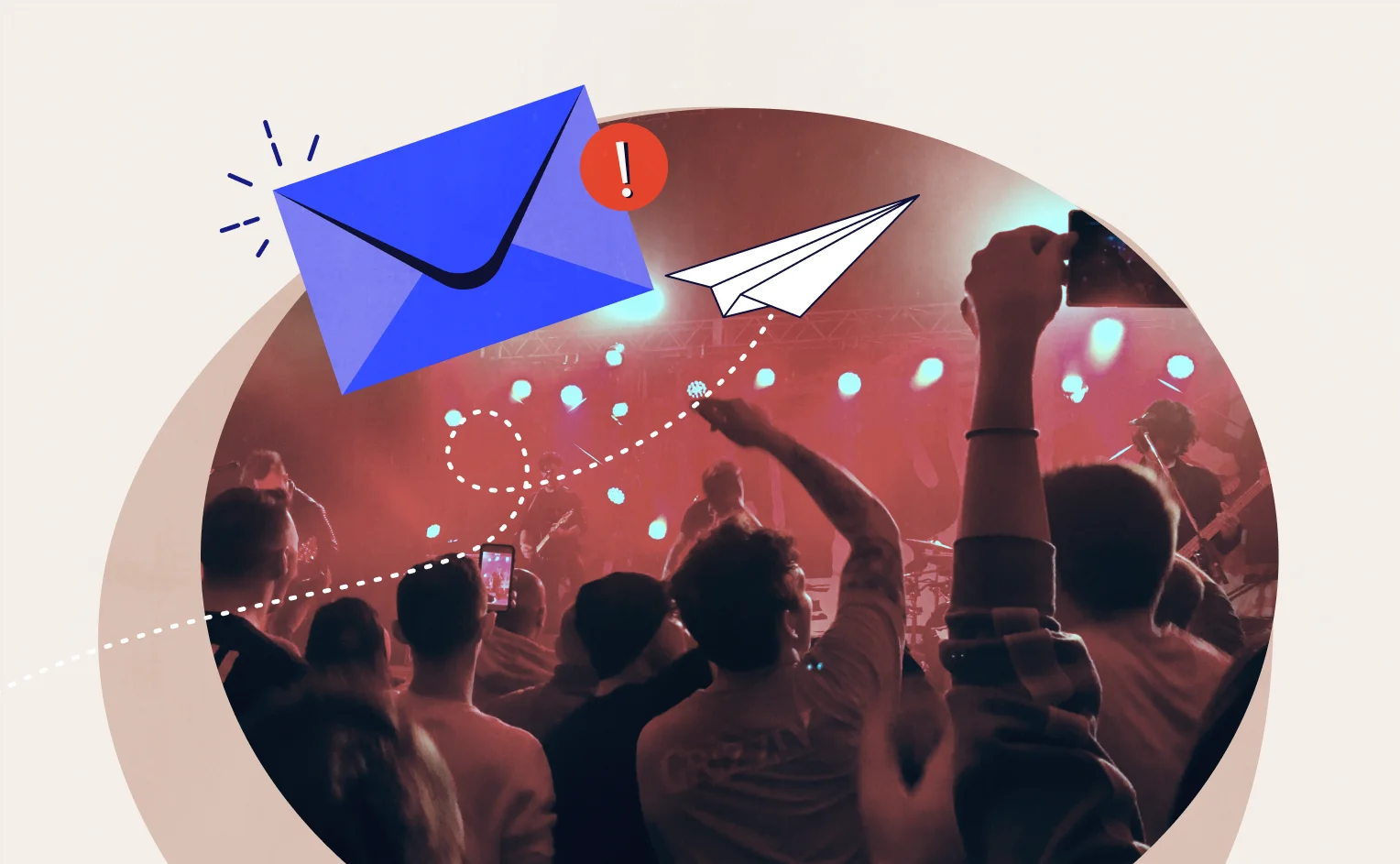
Email marketing remains one of the most effective ways to promote events and connect directly with potential attendees. Whether you are organizing a business conference, webinar, product launch, workshop, concert, or networking event, email campaigns can help you increase registrations, boost engagement, and improve attendance rates.
Unlike social media platforms where visibility often depends on algorithms, email marketing gives businesses direct access to their audience. With the right strategy, event organizers can build excitement, share important updates, and encourage people to take action.
In this blog, we will explore how to use email marketing effectively to promote events and maximize results.
Why Email Marketing Is Important for Event Promotion
Email marketing provides a personalized and cost-effective communication channel. It allows businesses to target the right audience with relevant messages while tracking campaign performance in real time.
Some major benefits of email marketing for events include:
Higher engagement compared to many other digital channels
Direct communication with interested audiences
Increased event registrations and ticket sales
Easy audience segmentation and personalization
Measurable campaign performance
Cost-effective marketing strategy
Businesses that use strategic email campaigns often experience stronger attendee engagement before, during, and after the event.
Build a Quality Email List
The success of your email marketing campaign depends heavily on the quality of your email list. Instead of purchasing email databases, focus on building an audience that is genuinely interested in your events.
Ways to Build an Email List
Add signup forms to your website
Use social media lead generation campaigns
Collect emails during previous events
Offer downloadable resources or exclusive content
Encourage newsletter subscriptions
A targeted email list improves open rates, click-through rates, and overall campaign effectiveness.
Segment Your Audience
Not all subscribers have the same interests or behavior. Audience segmentation helps you send more relevant messages to different groups.
Common Email Segments for Events
Previous event attendees
New subscribers
VIP customers
Industry professionals
Location-based audiences
Early registrants
For example, people who attended your previous events may receive loyalty discounts, while new subscribers may receive introductory event information.
Segmentation increases engagement because recipients receive content that matches their interests.
Create Attention-Grabbing Subject Lines
Your subject line is the first thing recipients notice. A strong subject line encourages users to open the email and learn more about your event.
Tips for Writing Effective Subject Lines
Keep it short and clear
Create urgency
Highlight event benefits
Use personalization when possible
Avoid spammy language
Examples
Reserve Your Spot for Our Marketing Workshop
Last Chance to Register for the Business Summit
Join Industry Leaders at Our Upcoming Event
An engaging subject line can significantly improve email open rates.
Design Professional and Mobile-Friendly Emails
Many users check emails on mobile devices. Your email design should be responsive, visually appealing, and easy to read on all screen sizes.
Important Design Elements
Clear event branding
Simple layout
Attractive visuals
Readable fonts
Strong call-to-action buttons
Minimal clutter
Include essential event details such as:
Event name
Date and time
Venue or online platform
Registration link
Key speakers or highlights
A professional email design improves user experience and increases conversions.
Personalize Your Email Campaigns
Personalization helps create stronger connections with recipients. Instead of sending generic emails, tailor your messages based on subscriber behavior and preferences.
Personalization Strategies
Use the recipient’s name
Recommend sessions based on interests
Send location-specific event updates
Offer personalized discounts
Personalized emails often generate better engagement and registration rates compared to mass generic campaigns.
Use Automated Email Sequences
Automation helps streamline communication throughout the event promotion process.
Essential Automated Emails
Event Announcement Email
Introduce the event and explain why attendees should participate.
Reminder Emails
Send reminders as the event date approaches to encourage registrations.
Confirmation Emails
Provide registration confirmation and event details after signup.
Last-Minute Reminder
Share final event instructions and create urgency before the event starts.
Post-Event Follow-Up
Thank attendees, share highlights, and collect feedback.
Automated email sequences improve communication consistency and save time.
Include Strong Calls to Action
Every email should guide readers toward a specific action. Whether you want users to register, purchase tickets, or share the event, your call to action should be clear and visible.
Effective CTA Examples
Register Now
Save Your Seat
Get Your Tickets Today
Join the Webinar
Learn More
Use action-oriented language and place CTAs strategically throughout the email.
Leverage Social Proof
People are more likely to attend events when they see positive feedback from others.
Types of Social Proof
Testimonials from past attendees
Speaker credentials
Event statistics
Media mentions
Brand partnerships
Adding social proof builds credibility and encourages more registrations.
Track and Analyze Campaign Performance
Monitoring campaign performance helps you identify what works and what needs improvement.
Key Email Marketing Metrics
Open rate
Click-through rate
Conversion rate
Bounce rate
Unsubscribe rate
Analyzing these metrics allows businesses to optimize future event campaigns for better results.
Common Email Marketing Mistakes to Avoid
Sending Too Many Emails
Excessive emails can annoy subscribers and increase unsubscribe rates.
Ignoring Mobile Optimization
Poor mobile experiences reduce engagement and conversions.
Weak Subject Lines
Unclear subject lines may lead to lower open rates.
Lack of Personalization
Generic emails often fail to connect with audiences.
Missing Clear CTAs
Without strong calls to action, recipients may not know what to do next.
Avoiding these mistakes can significantly improve event marketing success.
Future Trends in Event Email Marketing
Email marketing continues to evolve with technology and changing consumer behavior.
AI-Powered Personalization
Artificial intelligence helps businesses deliver highly personalized content and recommendations.
Interactive Emails
Interactive email features such as polls, RSVP buttons, and countdown timers improve engagement.
Advanced Automation
Modern platforms allow businesses to create sophisticated customer journeys with automated workflows.
Data-Driven Campaigns
Analytics tools help marketers better understand audience preferences and optimize campaigns.
Conclusion
Email marketing is one of the most powerful tools for promoting events and increasing audience engagement. By building a quality email list, segmenting audiences, personalizing content, and using automation, businesses can create highly effective event marketing campaigns.
Successful email marketing requires clear communication, attractive design, and consistent follow-up. When used strategically, email campaigns can drive registrations, improve attendee experiences, and strengthen long-term customer relationships.
Businesses that invest in effective email marketing strategies will continue to achieve stronger event promotion results in the competitive digital landscape.
Share this article
2 min read


