Consumers today are more environmentally conscious than ever before. People increasingly prefer brands that support sustainability, reduce environmental impact, and promote ethical business practices. As a result, many companies highlight eco-friendly initiatives in their marketing campaigns.
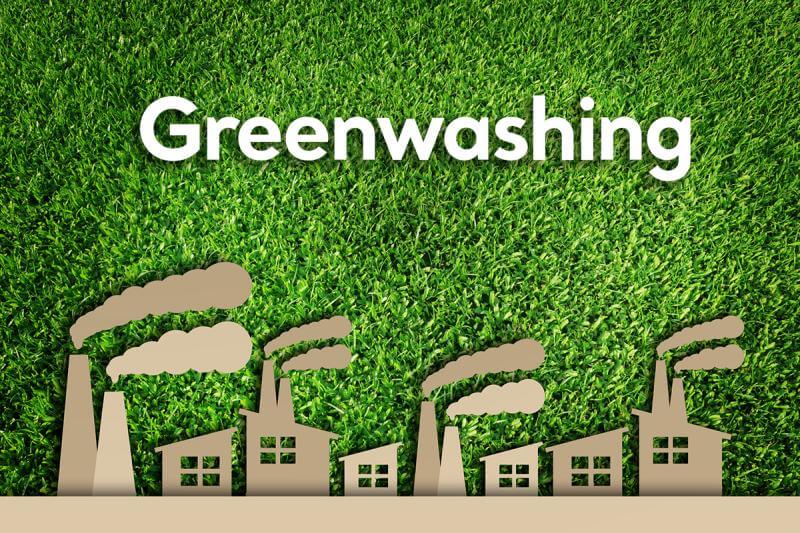
However, not all sustainability claims are genuine. Some businesses exaggerate or misrepresent their environmental efforts to attract customers. This misleading practice is known as greenwashing.
Greenwashing can damage brand reputation, reduce customer trust, and even lead to legal consequences. In this blog, we will explore what greenwashing is, why it happens, common examples, and how businesses can avoid it.
What is Greenwashing?
Greenwashing refers to the practice of making false, misleading, or exaggerated claims about a company’s environmental responsibility or sustainability efforts.
Businesses may use green marketing tactics to appear environmentally friendly without implementing meaningful sustainable practices.
Greenwashing often involves:
Misleading labels
Vague environmental claims
Exaggerated sustainability promises
False certifications
Selective disclosure of information
The goal is usually to attract eco-conscious consumers and improve brand image without making significant operational changes.
Why Businesses Engage in Greenwashing
Several factors contribute to greenwashing in marketing.
Growing Consumer Demand for Sustainability
Consumers increasingly support brands that prioritize environmental responsibility. Businesses may attempt to capitalize on this trend without making real changes.
Competitive Pressure
Companies may feel pressured to promote sustainability because competitors are doing so.
Cost Savings
Implementing genuine sustainable practices can be expensive. Some organizations choose marketing shortcuts instead of investing in meaningful improvements.
Weak Regulations
In some industries, limited oversight allows companies to make vague or unverified environmental claims.
Common Examples of Greenwashing
Vague Buzzwords
Terms like “eco-friendly,” “green,” or “natural” are often used without clear explanations or evidence.
Misleading Packaging
Products may use green colors, leaves, or nature imagery to create a false impression of sustainability.
Hidden Trade-Offs
A company may highlight one environmentally friendly feature while ignoring larger environmental harms.
False Certifications
Some brands create fake eco-labels or misleading certifications to appear more sustainable.
Exaggerated Carbon Neutral Claims
Businesses may claim to be carbon neutral without providing transparent data or credible offset programs.
The Risks of Greenwashing
Greenwashing can seriously harm businesses in the long term.
Loss of Consumer Trust
Customers who discover misleading claims may stop supporting the brand.
Damage to Brand Reputation
Negative publicity can impact customer loyalty and business growth.
Legal and Regulatory Consequences
Governments and consumer protection agencies are increasingly monitoring deceptive environmental claims.
Employee Dissatisfaction
Employees may become disengaged if they feel company values are not authentic.
How Consumers Identify Greenwashing
Modern consumers are more informed and research-driven. They often evaluate sustainability claims carefully before making purchasing decisions.
Consumers may look for:
Third-party certifications
Sustainability reports
Transparent supply chain information
Independent reviews
Clear environmental data
Brands that fail to provide evidence for their claims may face skepticism.
How Businesses Can Avoid Greenwashing
Be Transparent
Transparency is one of the most important ways to avoid greenwashing. Businesses should clearly explain their sustainability efforts, goals, and limitations.
Use Specific Claims
Avoid vague statements. Instead of saying “environmentally friendly,” provide measurable details such as reduced emissions or recycled material percentages.
Provide Evidence
Support sustainability claims with data, certifications, and independent audits.
Focus on Real Action
Marketing should reflect genuine operational improvements, not just branding strategies.
Avoid Overstating Achievements
Businesses should communicate honestly about progress without exaggeration.
Importance of Authentic Sustainability Marketing
Authentic sustainability marketing builds trust and long-term customer relationships.
Stronger Brand Credibility
Honest communication improves consumer confidence and loyalty.
Better Customer Relationships
Consumers appreciate brands that demonstrate real environmental responsibility.
Competitive Advantage
Companies with genuine sustainability initiatives often stand out in crowded markets.
Improved Employee Engagement
Employees are more motivated to work for organizations with authentic values.
Best Practices for Ethical Green Marketing
Conduct Sustainability Audits
Regular audits help businesses measure environmental impact and identify improvement areas.
Partner with Credible Organizations
Third-party certifications add credibility to sustainability claims.
Educate Customers
Help consumers understand your sustainability initiatives through clear communication and educational content.
Set Realistic Goals
Focus on achievable environmental objectives rather than unrealistic promises.
Publish Sustainability Reports
Detailed reports improve transparency and accountability.
Future Trends in Sustainable Marketing
Increased Consumer Awareness
Consumers will continue demanding greater transparency and accountability.
Stronger Regulations
Governments are introducing stricter rules for environmental advertising claims.
Data-Driven Sustainability Reporting
Businesses will increasingly use measurable sustainability metrics.
ESG-Focused Branding
Environmental, Social, and Governance (ESG) initiatives will become central to brand reputation and investor confidence.
Conclusion
Greenwashing is a major challenge in modern marketing. While sustainability has become an important factor for consumers, misleading environmental claims can damage trust and reputation.
Businesses should focus on transparency, authentic sustainability practices, and evidence-based communication to avoid greenwashing. Ethical green marketing not only protects brand credibility but also builds stronger customer relationships and long-term business success.
Companies that prioritize genuine sustainability efforts will be better positioned to thrive in an increasingly environmentally conscious marketplace.
Share this article
2 min read


